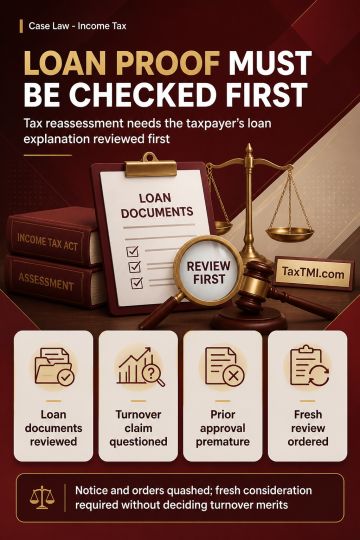
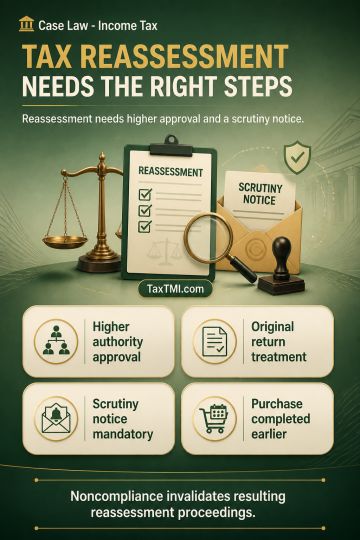
Opportunity to furnish unsecured-loan confirmations is required before reassessment initiation; proceedings require fresh consideration after taxpayer...
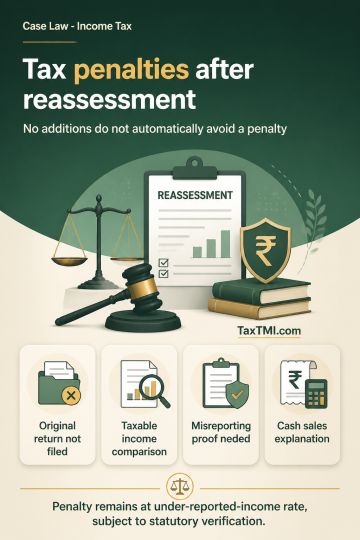
Under-reporting on a first reassessment return attracts penalty, while enhanced misreporting penalty requires proof of a statutory misreporting catego...
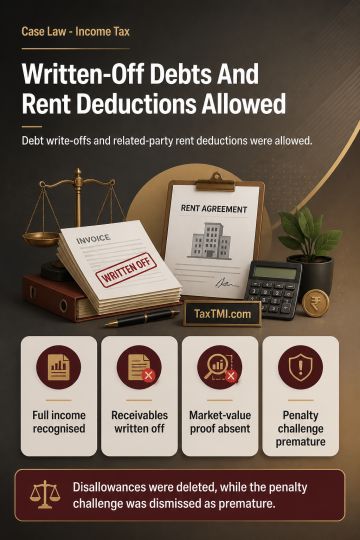
The assessing officer made an addition u/s 41(1) on the grounds that the assessee had ceased trading liabilities, even though the assessee did not respond to notices/summons issued u/ss 133(6)/131. The assessee contended that no remission or cessation of liabilities had occurred and no benefit was received, hence the liability cannot be considered income. The ITAT, relying on the Rajasthan High Court's decision in CIT vs. Narendra Mohan Mathur, held that the onus is on the assessing officer to conclusively prove that the liabilities ceased to exist or the assessee obtained any amount/benefit concerning such liabilities. As the assessing officer failed to discharge this onus, the ITAT directed deletion of the addition made u/s 41(1).
The assessing officer made an addition u/s 41(1) on the grounds that the assessee had ceased trading liabilities, even though the assessee did not respond to notices/summons issued u/ss 133(6)/131. The assessee contended that no remission or cessation of liabilities had occurred and no benefit was received, hence the liability cannot be considered income. The ITAT, relying on the Rajasthan High Court's decision in CIT vs. Narendra Mohan Mathur, held that the onus is on the assessing officer to conclusively prove that the liabilities ceased to exist or the assessee obtained any amount/benefit concerning such liabilities. As the assessing officer failed to discharge this onus, the ITAT directed deletion of the addition made u/s 41(1).
Note: It is a system-generated summary and is for quick reference only.
 TaxTMI
  TaxTMI
 of 4915