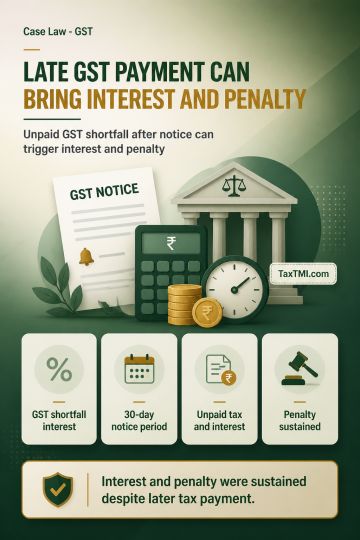
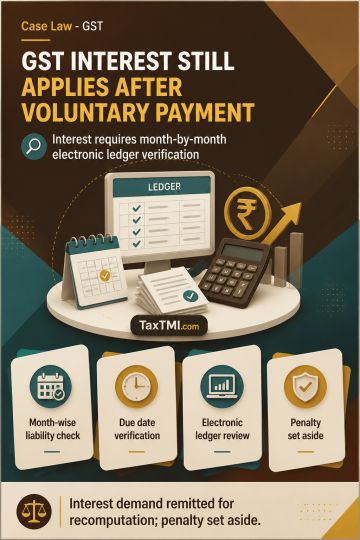
GST refunds for cancelled air tickets remain available when passenger reimbursements defeat unjust enrichment and credit-note adjustment is unavailabl...
This is a summary of a case dealing with the determination of fair market value (FMV) for computing long-term capital gains (LTCG) and allowing deductions for cost of improvements. The key points are: the Tax Appellate Tribunal upheld the Assessing Officer's adoption of FMV as per the District Valuation Officer's report, rejecting the assessee's argument for using the 'reverse indexation method'. However, the Tribunal allowed the deduction for cost of improvement incurred in FY 1991-92, which was erroneously omitted by lower authorities. It also directed the Assessing Officer to rectify a mathematical mistake in computing the total indexed cost of improvement. The Tribunal's decision partially favored the assessee regarding the allowable deductions.
This is a summary of a case dealing with the determination of fair market value (FMV) for computing long-term capital gains (LTCG) and allowing deductions for cost of improvements. The key points are: the Tax Appellate Tribunal upheld the Assessing Officer's adoption of FMV as per the District Valuation Officer's report, rejecting the assessee's argument for using the 'reverse indexation method'. However, the Tribunal allowed the deduction for cost of improvement incurred in FY 1991-92, which was erroneously omitted by lower authorities. It also directed the Assessing Officer to rectify a mathematical mistake in computing the total indexed cost of improvement. The Tribunal's decision partially favored the assessee regarding the allowable deductions.
Note: It is a system-generated summary and is for quick reference only.
 TaxTMI
  TaxTMI
 of 4918