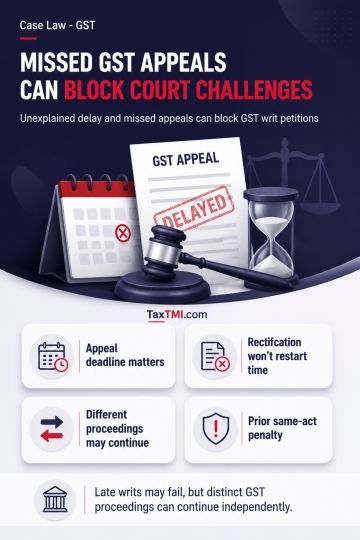
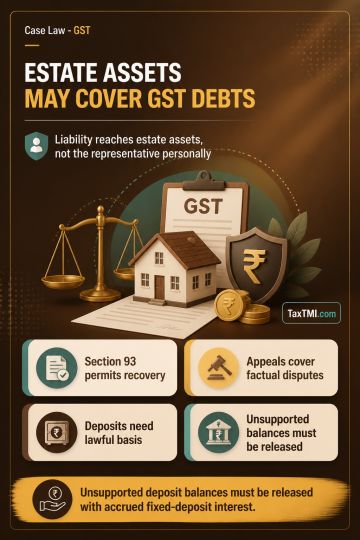
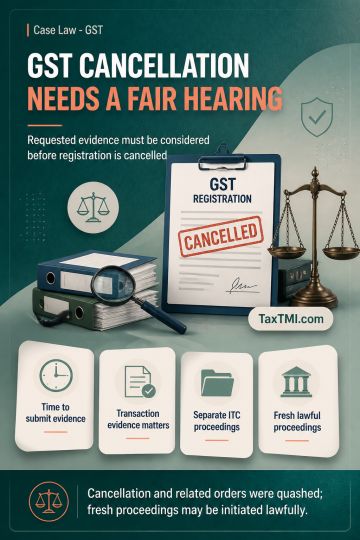
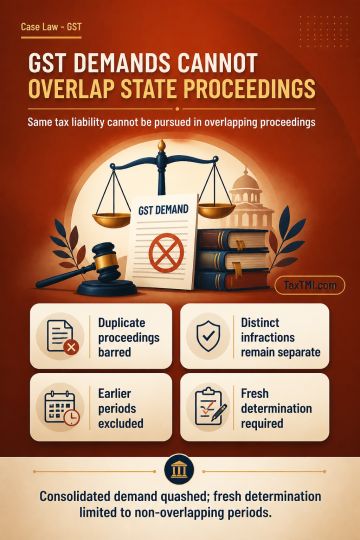
Alternative statutory remedy and delay bar GST writ challenges despite pending rectification, while distinct subject matter permits parallel proceedin...
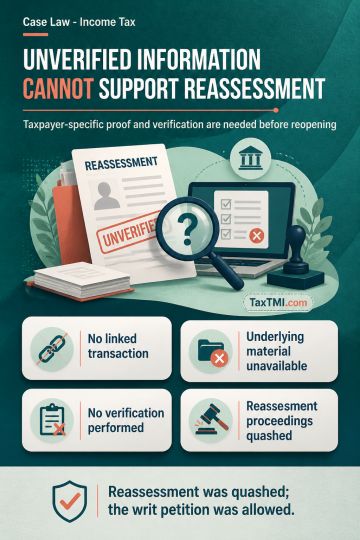
Unverified Insight Portal Information Cannot Justify Reassessment Without a Verified Taxpayer-Specific Income-Escape Nexus or Demonstrated Application...
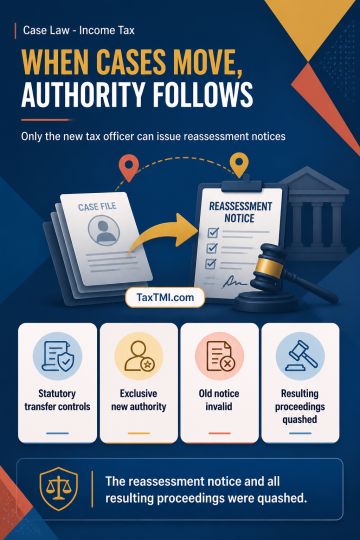
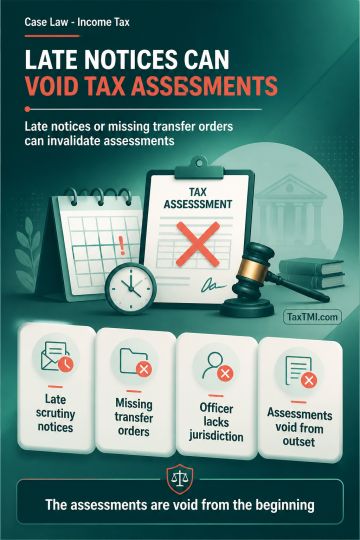
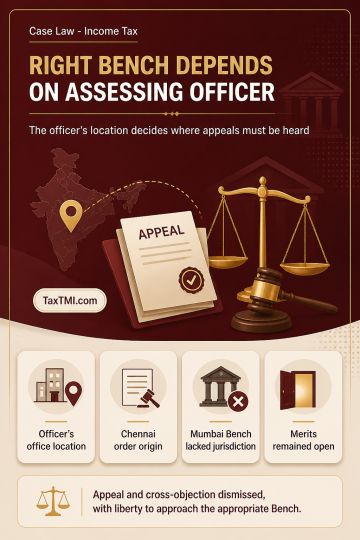
Assessing Officer jurisdiction after statutory transfer invalidates reassessment notices issued by transferor officers and nullifies resulting proceed...
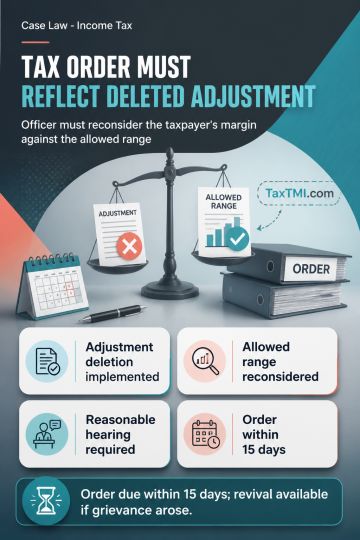
Consequential appeal-effect orders must implement rectification deleting working-capital adjustments and reconsider the resulting arm's-length range c...
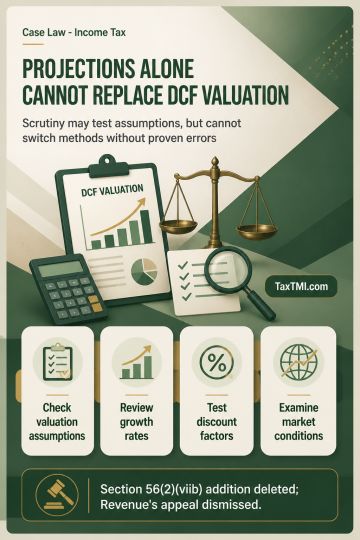
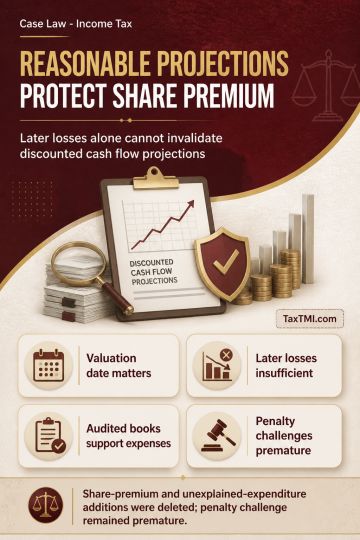
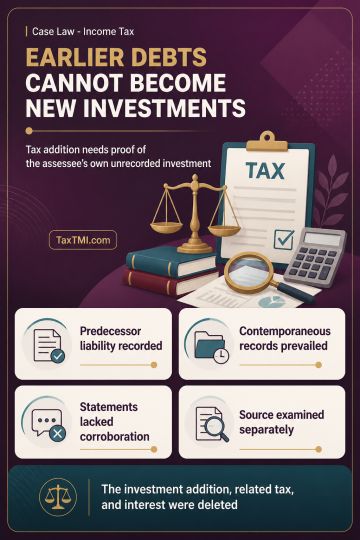
Discounted cash flow valuation protects share premium where projections are reasonable, while audited book expenses defeat unexplained-expenditure add...
Section 54 construction relief survives pre-transfer commencement when completion occurs within the statutory period, excluding ineligible spouse-owne...
Page of 4894
Press 'Enter' after typing page number.
481 to 500 of 97862 Results
❮
❯
❯❯
0 / 200
Expand Note
Add to Folder
No Folders have been created
+
Are you sure you want to delete "My most important" ?
This case deals with the extinguishment of demands due to the non-filing of claims by the revenue during the Corporate Insolvency Resolution Process (CIRP) under the Insolvency and Bankruptcy Code (IBC). The key points are: 1) Ruchi Soya underwent CIRP, and Patanjali continued its business after the resolution plan was approved. 2) The revenue did not file any claim before the Interim Resolution Professional (IRP) during CIRP. 3) As the demand was not part of the resolution plan, it stood extinguished and cannot be continued per Section 31 and 32A of the IBC. 4) The Gujarat High Court held that if the revenue does not lodge a claim as an Operational Creditor before the Resolution Professional, any liability extinguishes upon the implementation of the Resolution Plan. 5) The resolution plan aims to continue the company's business as a going concern under the IBC's scheme. 6) Rule 22 of the 1982 Rules, which deals with abatement, is not applicable when a resolution plan is approved under the IBC. 7) The substantial question of law was answered in favor of the assessee against the revenue.
This case deals with the extinguishment of demands due to the non-filing of claims by the revenue during the Corporate Insolvency Resolution Process (CIRP) under the Insolvency and Bankruptcy Code (IBC). The key points are: 1) Ruchi Soya underwent CIRP, and Patanjali continued its business after the resolution plan was approved. 2) The revenue did not file any claim before the Interim Resolution Professional (IRP) during CIRP. 3) As the demand was not part of the resolution plan, it stood extinguished and cannot be continued per Section 31 and 32A of the IBC. 4) The Gujarat High Court held that if the revenue does not lodge a claim as an Operational Creditor before the Resolution Professional, any liability extinguishes upon the implementation of the Resolution Plan. 5) The resolution plan aims to continue the company's business as a going concern under the IBC's scheme. 6) Rule 22 of the 1982 Rules, which deals with abatement, is not applicable when a resolution plan is approved under the IBC. 7) The substantial question of law was answered in favor of the assessee against the revenue.
Note: It is a system-generated summary and is for quick reference only.
 TaxTMI
  TaxTMI
 of 4894