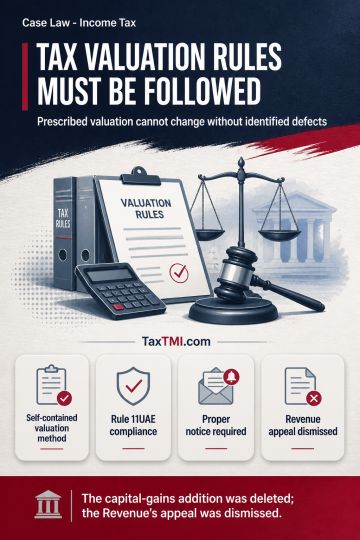
Commercial property status protects capital-gains exemption when residential-house ownership limits are tested, while agricultural-land character gove...
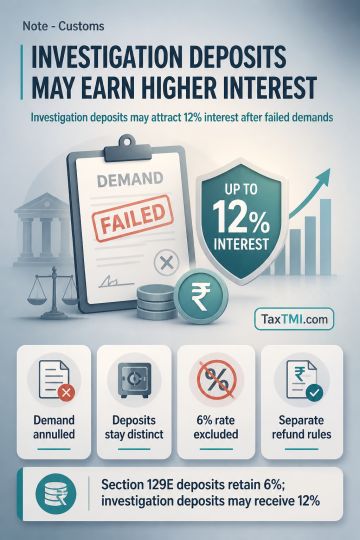
Investigation deposits refunded after failed customs demands fall outside the statutory appellate pre-deposit interest regime and may attract compensa...
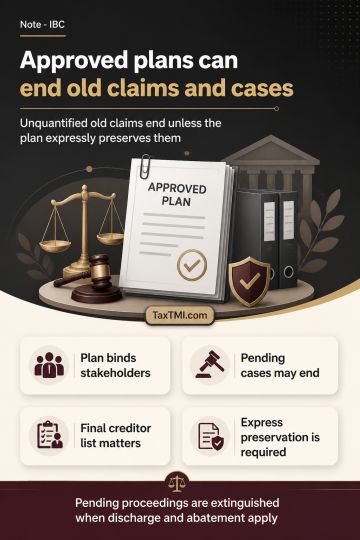
Resolution plan finality extinguishes unquantified operational-creditor claims and pending proceedings unless the approved plan expressly preserves th...
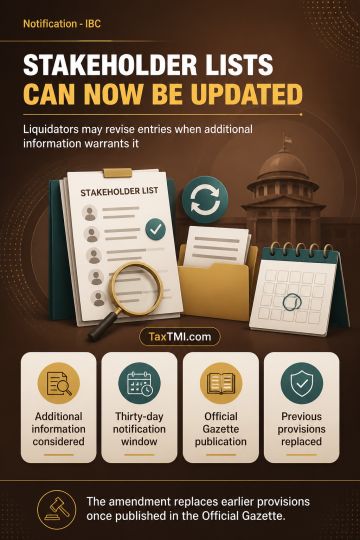
Stakeholder-list modification permits liquidators to update entries on new information, subject to notifying the Adjudicating Authority within prescri...
The assessment order passed u/s 144C(3) was beyond the prescribed period of one month from the end of the month in which the period for filing objections u/s 144C(2) expired. Although the assessee filed objections before the Dispute Resolution Panel beyond the 30-day period, the Assessing Officer was still required to pass the final order within the stipulated timeframe u/s 144C(4). The High Court upheld the Tribunal's decision to set aside the final assessment order as being time-barred, rejecting the Revenue's argument that the assessee cannot take advantage of its own delay in filing objections. The statutory language of Section 144C(4) is unambiguous, and the Assessing Officer's failure to comply with the time limit renders the order invalid, irrespective of the assessee's delay.
The assessment order passed u/s 144C(3) was beyond the prescribed period of one month from the end of the month in which the period for filing objections u/s 144C(2) expired. Although the assessee filed objections before the Dispute Resolution Panel beyond the 30-day period, the Assessing Officer was still required to pass the final order within the stipulated timeframe u/s 144C(4). The High Court upheld the Tribunal's decision to set aside the final assessment order as being time-barred, rejecting the Revenue's argument that the assessee cannot take advantage of its own delay in filing objections. The statutory language of Section 144C(4) is unambiguous, and the Assessing Officer's failure to comply with the time limit renders the order invalid, irrespective of the assessee's delay.
Note: It is a system-generated summary and is for quick reference only.
 TaxTMI
  TaxTMI
 of 4886