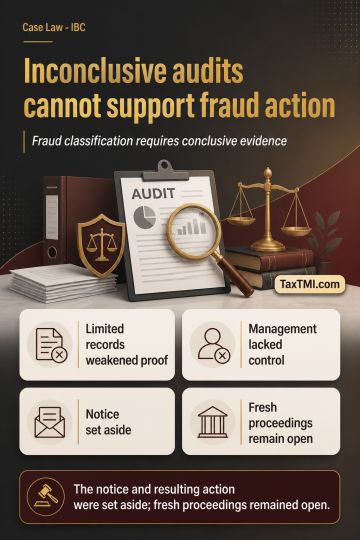
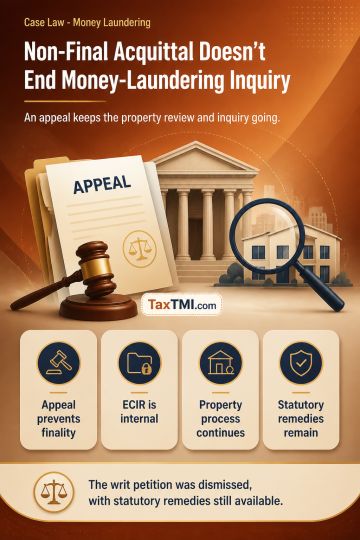
Fraud classification show-cause notices founded on inconclusive forensic audit material cannot sustain action, permitting fresh proceedings on conclus...
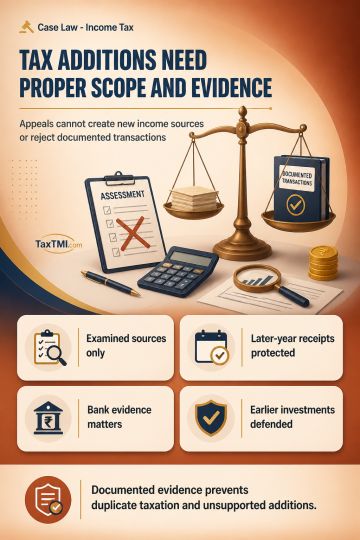
Appellate enhancement limits protect against new income sources, while documented credits and prior-year investments resist unexplained-income additio...
The assessment order passed u/s 144C(3) was beyond the prescribed period of one month from the end of the month in which the period for filing objections u/s 144C(2) expired. Although the assessee filed objections before the Dispute Resolution Panel beyond the 30-day period, the Assessing Officer was still required to pass the final order within the stipulated timeframe u/s 144C(4). The High Court upheld the Tribunal's decision to set aside the final assessment order as being time-barred, rejecting the Revenue's argument that the assessee cannot take advantage of its own delay in filing objections. The statutory language of Section 144C(4) is unambiguous, and the Assessing Officer's failure to comply with the time limit renders the order invalid, irrespective of the assessee's delay.
The assessment order passed u/s 144C(3) was beyond the prescribed period of one month from the end of the month in which the period for filing objections u/s 144C(2) expired. Although the assessee filed objections before the Dispute Resolution Panel beyond the 30-day period, the Assessing Officer was still required to pass the final order within the stipulated timeframe u/s 144C(4). The High Court upheld the Tribunal's decision to set aside the final assessment order as being time-barred, rejecting the Revenue's argument that the assessee cannot take advantage of its own delay in filing objections. The statutory language of Section 144C(4) is unambiguous, and the Assessing Officer's failure to comply with the time limit renders the order invalid, irrespective of the assessee's delay.
Note: It is a system-generated summary and is for quick reference only.
 TaxTMI
  TaxTMI
 of 4881