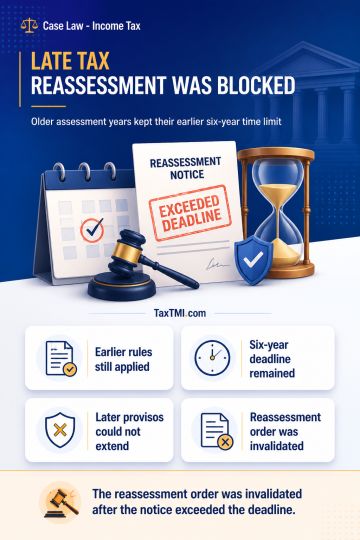
Pre-amendment reassessment limitation bars late notices under the preserved regime, invalidating consequential reassessment for affected earlier asses...
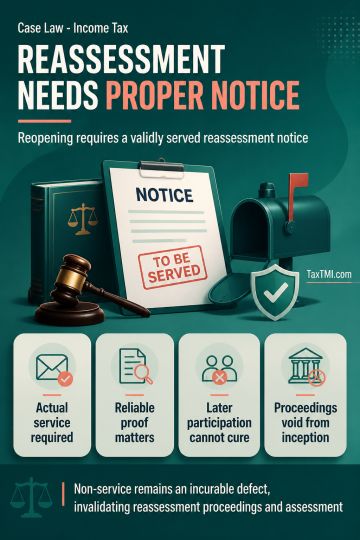
Cash-sales explanations for bank deposits require documentary reconciliation; reassessment notice survived where effective response time was available...
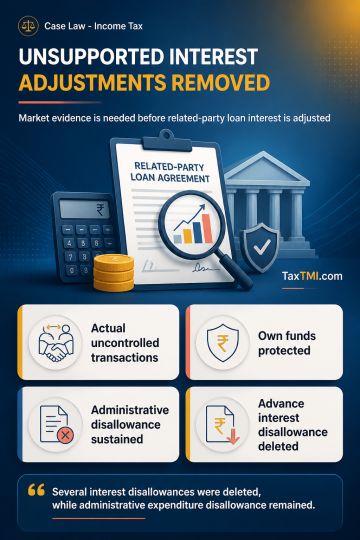
Functional comparability in transfer pricing prevents ad hoc arm's length adjustments where functions, assets, risks and reliable comparables are unes...
The crux of the matter revolves around allegations of oppression, mismanagement, illegal sale of company land, allotment of equity shares, appointment and removal of directors, and the legality of extraordinary general meetings and resolutions. The key findings are: the sale of land parcels at a lower price, though below market value, does not constitute oppression or mismanagement as the company urgently required funds, and the petitioner had consented to the sale price. The lease deed with Padmavatahi Ispat, though signed, was never executed and subsequently cancelled, hence not amounting to oppression. The allotment of 17,29,000 equity shares to respondents is held to be legal and valid. The acts of respondents are not prejudicial or oppressive to petitioners, nor are the company's affairs conducted prejudicially. Consequently, the petition lacks merit and is dismissed by the Tribunal.
The crux of the matter revolves around allegations of oppression, mismanagement, illegal sale of company land, allotment of equity shares, appointment and removal of directors, and the legality of extraordinary general meetings and resolutions. The key findings are: the sale of land parcels at a lower price, though below market value, does not constitute oppression or mismanagement as the company urgently required funds, and the petitioner had consented to the sale price. The lease deed with Padmavatahi Ispat, though signed, was never executed and subsequently cancelled, hence not amounting to oppression. The allotment of 17,29,000 equity shares to respondents is held to be legal and valid. The acts of respondents are not prejudicial or oppressive to petitioners, nor are the company's affairs conducted prejudicially. Consequently, the petition lacks merit and is dismissed by the Tribunal.
Note: It is a system-generated summary and is for quick reference only.
 TaxTMI
 TaxTMI

 of 4918