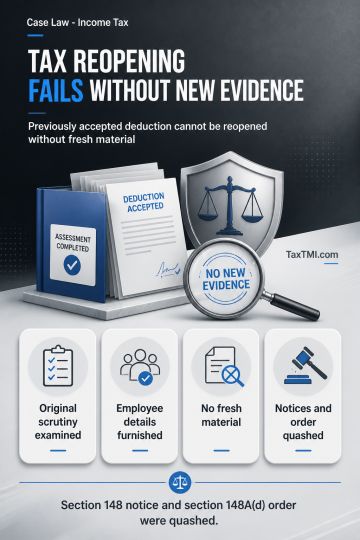
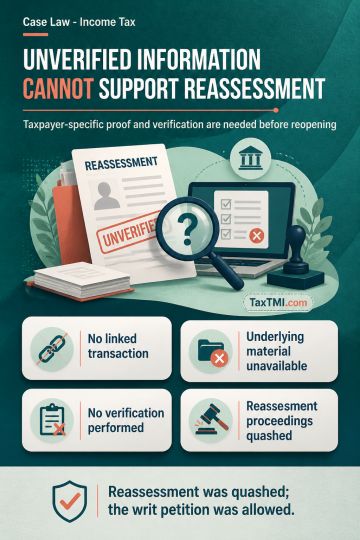
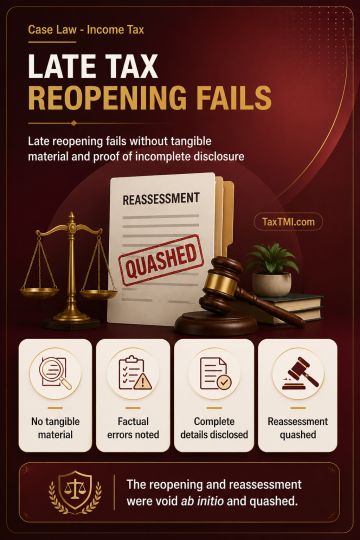
Unverified Insight Portal Information Cannot Justify Reassessment Without a Verified Taxpayer-Specific Income-Escape Nexus or Demonstrated Application...
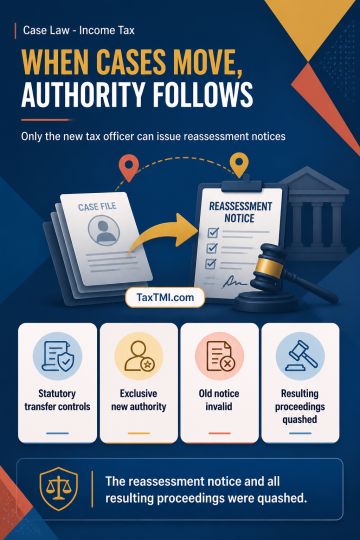
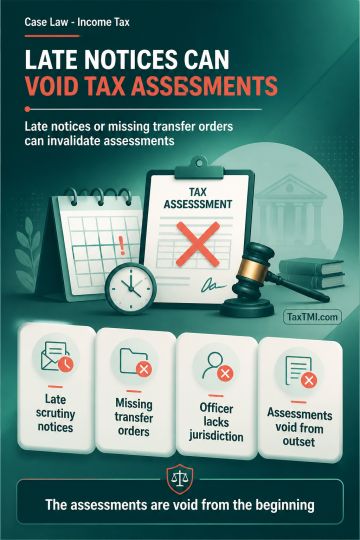
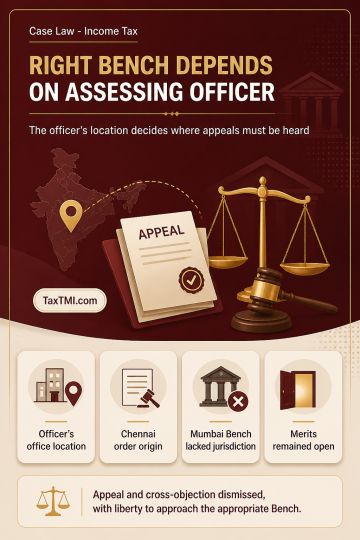
Assessing Officer jurisdiction after statutory transfer invalidates reassessment notices issued by transferor officers and nullifies resulting proceed...
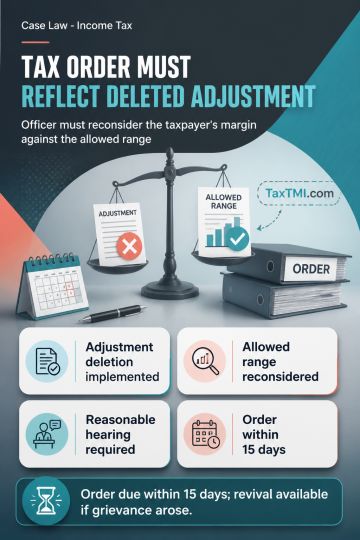
Consequential appeal-effect orders must implement rectification deleting working-capital adjustments and reconsider the resulting arm's-length range c...
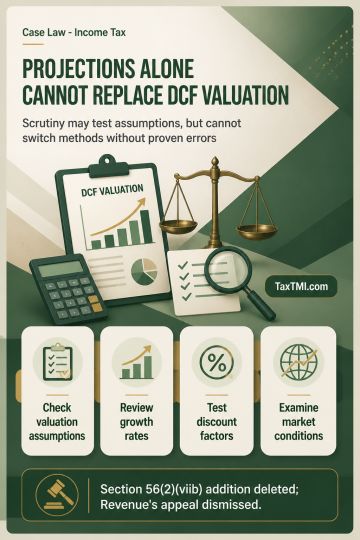
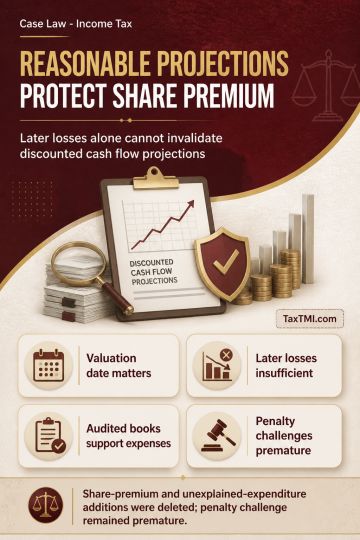
Discounted cash flow valuation protects share premium where projections are reasonable, while audited book expenses defeat unexplained-expenditure add...
Section 54 construction relief survives pre-transfer commencement when completion occurs within the statutory period, excluding ineligible spouse-owne...
The High Court quashed the reassessment proceedings initiated by the Assessing Officer u/s 148 of the Income Tax Act, holding it to be a case of "change of opinion" and not a valid reassessment. The assessee had acquired equity shares of a closely held company at below fair market value under the 'Right Issue'. Initially, the Principal Commissioner of Income Tax (PCIT) had dropped the proceedings u/s 263 after considering the assessee's submissions. However, the Assessing Officer subsequently issued a notice u/s 148A(b) to reopen the assessment on the same issue. The Court held that reassessment can only be initiated on grounds not previously considered during the original assessment proceedings. Since the PCIT had already examined the issue and decided in favor of the assessee, the Assessing Officer could not reopen the assessment merely on a "change of opinion" based on the same facts. The approval granted by the higher authority (PCCIT) did not confer legitimacy to the reassessment action, as it violated the settled principles governing valid reassessment. Consequently, the reassessment notice, order, and consequential proceedings were quashed.
The High Court quashed the reassessment proceedings initiated by the Assessing Officer u/s 148 of the Income Tax Act, holding it to be a case of "change of opinion" and not a valid reassessment. The assessee had acquired equity shares of a closely held company at below fair market value under the 'Right Issue'. Initially, the Principal Commissioner of Income Tax (PCIT) had dropped the proceedings u/s 263 after considering the assessee's submissions. However, the Assessing Officer subsequently issued a notice u/s 148A(b) to reopen the assessment on the same issue. The Court held that reassessment can only be initiated on grounds not previously considered during the original assessment proceedings. Since the PCIT had already examined the issue and decided in favor of the assessee, the Assessing Officer could not reopen the assessment merely on a "change of opinion" based on the same facts. The approval granted by the higher authority (PCCIT) did not confer legitimacy to the reassessment action, as it violated the settled principles governing valid reassessment. Consequently, the reassessment notice, order, and consequential proceedings were quashed.
Note: It is a system-generated summary and is for quick reference only.
 TaxTMI
  TaxTMI
 of 4884