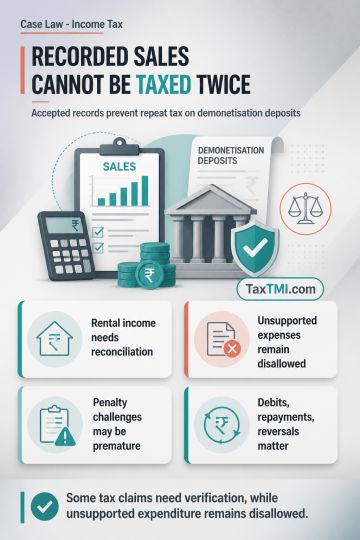
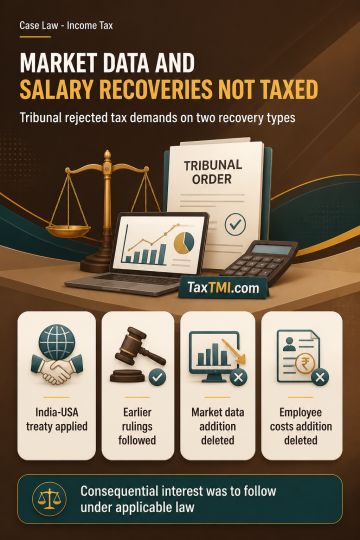
Capital-gains exemption for charitable trusts extends to qualifying fixed deposits, while unrecoverable TDS write-offs may constitute income applicati...
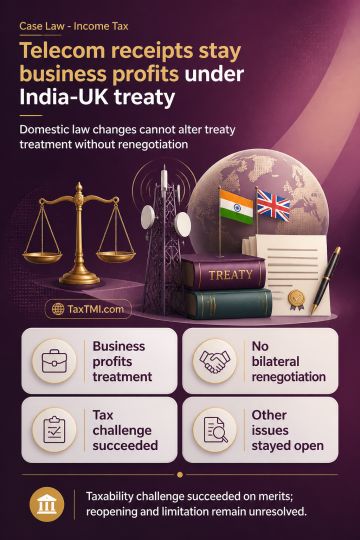
India-UK treaty characterisation of telecom-service receipts as business profits withstands unilateral domestic-law amendments for Indian tax purposes...
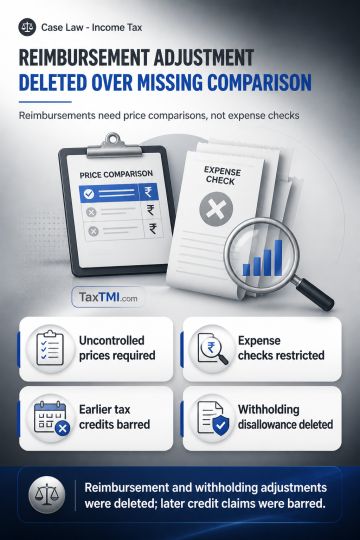
Transfer-pricing reimbursement adjustments require uncontrolled comparables and cannot become expense-genuineness reviews, resulting in deletion of th...
Goods under dispute were sawn New Zealand pine logs classified under CTH 4403 by the importer, while the department sought to reclassify them under CTH 4407. The key issue was whether the goods were cut in standard lengths with extremely accurate dimensions to qualify under CTH 4407. The burden of proving reclassification was on the department. Panchnama and photographs revealed the logs had dimensions of cuboids but not extremely accurate as required. Some logs showed bark traces, indicating lack of extremely accurate dimensions. Department failed to show chipping process was used for better surface than sawing. Conflicting statements by panchas and officials were construed in favor of importer due to lack of expert opinion from department. Relying on precedent, it was held that department failed to discharge burden of reclassification. The goods were correctly classified under CTH 4403.99, and the appeal was allowed.
Goods under dispute were sawn New Zealand pine logs classified under CTH 4403 by the importer, while the department sought to reclassify them under CTH 4407. The key issue was whether the goods were cut in standard lengths with extremely accurate dimensions to qualify under CTH 4407. The burden of proving reclassification was on the department. Panchnama and photographs revealed the logs had dimensions of cuboids but not extremely accurate as required. Some logs showed bark traces, indicating lack of extremely accurate dimensions. Department failed to show chipping process was used for better surface than sawing. Conflicting statements by panchas and officials were construed in favor of importer due to lack of expert opinion from department. Relying on precedent, it was held that department failed to discharge burden of reclassification. The goods were correctly classified under CTH 4403.99, and the appeal was allowed.
Note: It is a system-generated summary and is for quick reference only.
 TaxTMI
  TaxTMI
 of 4888