Customs exemptions cover photovoltaic assembly machinery and PVF backsheets, while fully declared cleared imports may avoid confiscation and penalties...
Specific tariff classification for LCD devices overrides treatment as electricity-meter parts, defeating differential duty, extended limitation, and p...
Stayed disciplinary punishment does not establish unfitness for insolvency professional registration; reconsideration must disregard mere pendency of ...
Indirect corporate control can create related-party status, excluding financial creditors from Committee of Creditors representation, participation an...
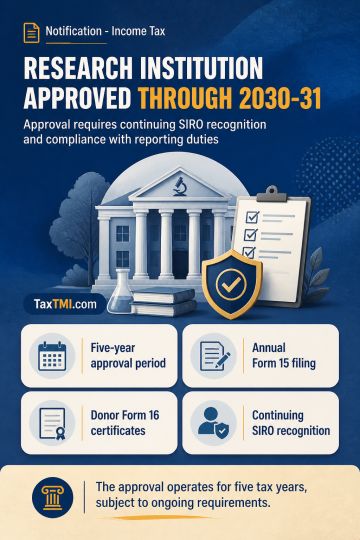
Scientific research association approval requires continuing SIRO status, annual donation reporting, and donor certificates for the approved foundatio...
Scientific research institution approval is conditional on SIRO recognition, annual donation reporting, donor certification, and prescribed compliance...
The petitioner, accused of money laundering under the Prevention of Money Laundering Act (PMLA), sought bail. The court held that Section 45 of PMLA imposes stringent conditions for granting bail, requiring the court to be satisfied that there are reasonable grounds to believe the accused is not guilty and is unlikely to commit an offence while on bail. The prosecution alleged the petitioner influenced a bank to sanction loans to Kiran P.P., from which the petitioner received Rs. 14 crore. The court found prima facie evidence supporting the allegations, including inconsistent statements, unexplained cash credits, and unaccounted capital in the petitioner's business. Relying on Supreme Court precedents, the court concluded there were no reasonable grounds to believe the petitioner was not guilty and denied bail, considering the serious nature of the accusations.
The petitioner, accused of money laundering under the Prevention of Money Laundering Act (PMLA), sought bail. The court held that Section 45 of PMLA imposes stringent conditions for granting bail, requiring the court to be satisfied that there are reasonable grounds to believe the accused is not guilty and is unlikely to commit an offence while on bail. The prosecution alleged the petitioner influenced a bank to sanction loans to Kiran P.P., from which the petitioner received Rs. 14 crore. The court found prima facie evidence supporting the allegations, including inconsistent statements, unexplained cash credits, and unaccounted capital in the petitioner's business. Relying on Supreme Court precedents, the court concluded there were no reasonable grounds to believe the petitioner was not guilty and denied bail, considering the serious nature of the accusations.
Note: It is a system-generated summary and is for quick reference only.
 TaxTMI
  TaxTMI
 of 4883