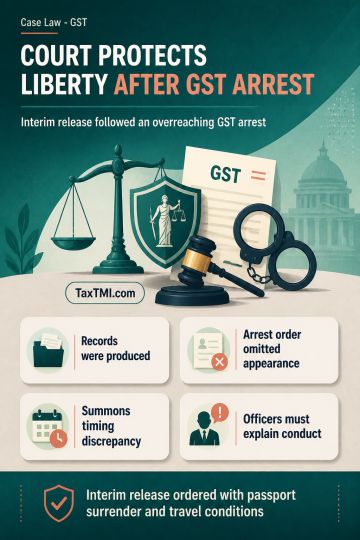
Personal liberty safeguards restrict arrest after court-directed GST appearance, requiring interim release where authorities overreach pending proceed...
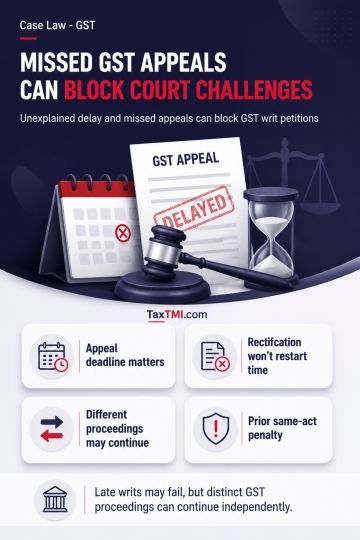
Alternative statutory remedy and delay bar GST writ challenges despite pending rectification, while distinct subject matter permits parallel proceedin...
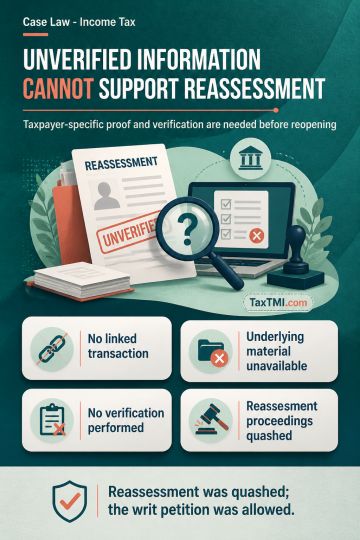
Unverified Insight Portal Information Cannot Justify Reassessment Without a Verified Taxpayer-Specific Income-Escape Nexus or Demonstrated Application...
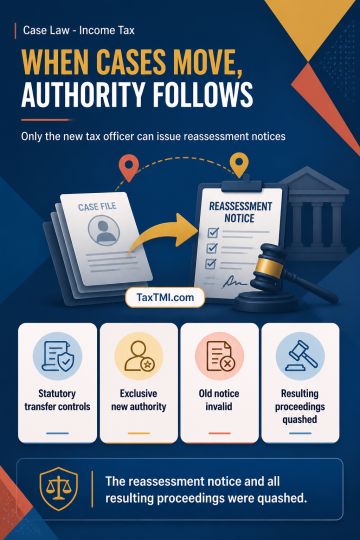
Assessing Officer jurisdiction after statutory transfer invalidates reassessment notices issued by transferor officers and nullifies resulting proceed...
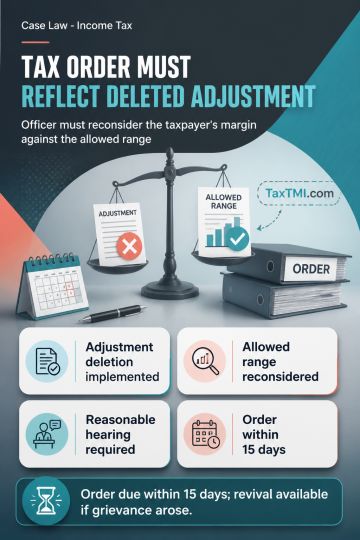
Consequential appeal-effect orders must implement rectification deleting working-capital adjustments and reconsider the resulting arm's-length range c...
The appeal challenges the liability to pay stamp duty and penalty on agreements executed prior to the sale deed for two properties. The court determined the real intention from the instrument's contents and language. Section 4(1) states that where multiple instruments complete a transaction, the principal instrument alone is chargeable with the highest duty prescribed in Schedule I. The proviso allows parties to determine the principal instrument themselves. In this case, although the agreements mentioned conveyance and the sale deed followed, the properties' value exceeded Rs.100, and possession was handed over on the agreement date, implying acquisition of possessory rights u/s 53A of the Transfer of Property Act, requiring proper stamp duty and registration u/s 17 of the Registration Act. The subsequent sale deed does not absolve the liability to pay appropriate stamp duty on the agreements, which were the principal documents under Explanation I of Article 25 of Schedule-I of the Act. The trial court rightly impounded the documents and directed adjudication of stamp duty and penalty by the Collector. The High Court correctly held no interference was warranted. The Supreme Court affirmed the orders and dismissed the appeal.
The appeal challenges the liability to pay stamp duty and penalty on agreements executed prior to the sale deed for two properties. The court determined the real intention from the instrument's contents and language. Section 4(1) states that where multiple instruments complete a transaction, the principal instrument alone is chargeable with the highest duty prescribed in Schedule I. The proviso allows parties to determine the principal instrument themselves. In this case, although the agreements mentioned conveyance and the sale deed followed, the properties' value exceeded Rs.100, and possession was handed over on the agreement date, implying acquisition of possessory rights u/s 53A of the Transfer of Property Act, requiring proper stamp duty and registration u/s 17 of the Registration Act. The subsequent sale deed does not absolve the liability to pay appropriate stamp duty on the agreements, which were the principal documents under Explanation I of Article 25 of Schedule-I of the Act. The trial court rightly impounded the documents and directed adjudication of stamp duty and penalty by the Collector. The High Court correctly held no interference was warranted. The Supreme Court affirmed the orders and dismissed the appeal.
Note: It is a system-generated summary and is for quick reference only.
 TaxTMI
  TaxTMI
 of 4879