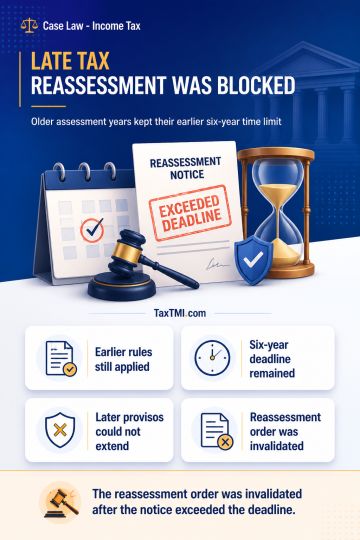
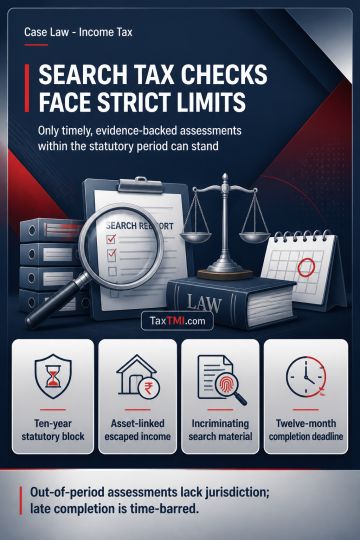
Pre-amendment reassessment limitation bars late notices under the preserved regime, invalidating consequential reassessment for affected earlier asses...
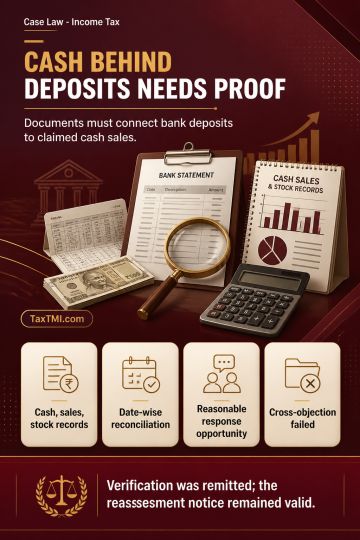
Cash-sales explanations for bank deposits require documentary reconciliation; reassessment notice survived where effective response time was available...
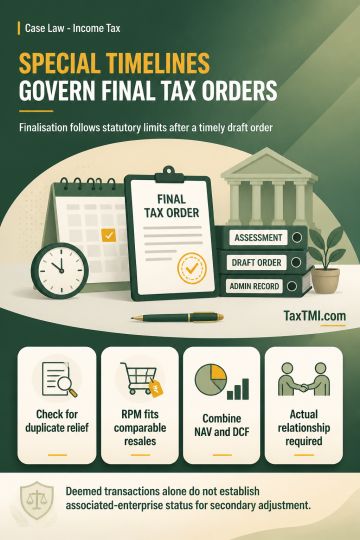
Functional comparability in transfer pricing prevents ad hoc arm's length adjustments where functions, assets, risks and reliable comparables are unes...
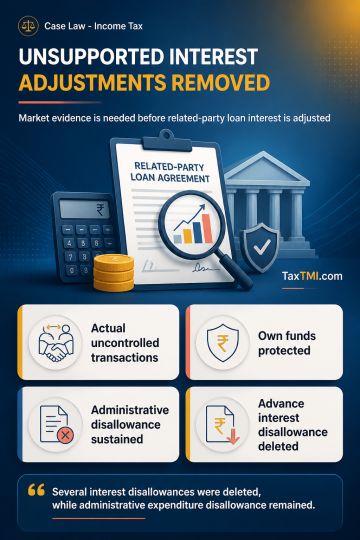
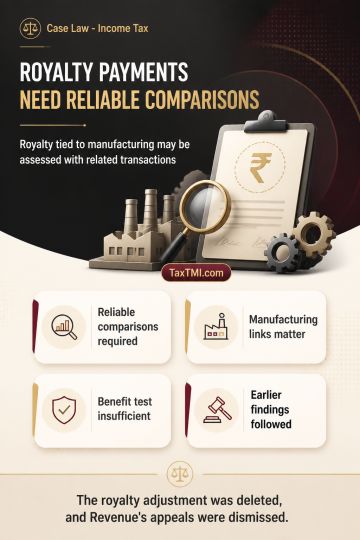
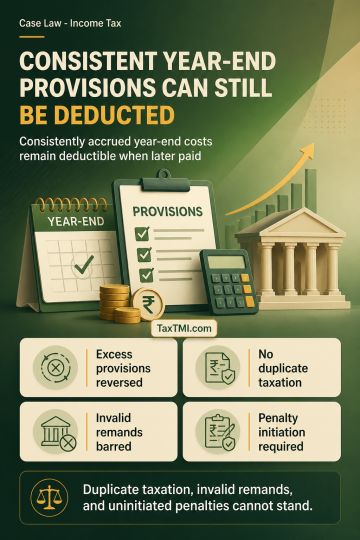
Contingency expenses, exempt-income disallowance, and royalty benchmarking: unsupported adjustments were deleted under consistent accounting and trans...
The Tribunal set aside the disallowance of short-term loss claimed by the assessee in the Profit and Loss Account, holding that the shares were acquired under a normal business transaction and can be treated as stock-in-trade. The High Court held that u/s 260-A of the Act, it could entertain an appeal only if it involves a substantial question of law. In the present case, the question raised by the Revenue is not a substantial question of law but a question of fact. The Revenue did not file an appeal before the Tribunal regarding the colorable device or genuineness of the transaction or the allowance of loss. The substantial question of law raised by the Revenue emanates from the order of the Commissioner of Income Tax (Appeals), not the Tribunal's order. The Revenue did not raise the issue of the genuineness of the transaction or colorable device before the Tribunal. Therefore, the High Court is not inclined to interfere with the Tribunal's order and answered the substantial question of law raised by the Revenue against them and in favor of the assessee.
The Tribunal set aside the disallowance of short-term loss claimed by the assessee in the Profit and Loss Account, holding that the shares were acquired under a normal business transaction and can be treated as stock-in-trade. The High Court held that u/s 260-A of the Act, it could entertain an appeal only if it involves a substantial question of law. In the present case, the question raised by the Revenue is not a substantial question of law but a question of fact. The Revenue did not file an appeal before the Tribunal regarding the colorable device or genuineness of the transaction or the allowance of loss. The substantial question of law raised by the Revenue emanates from the order of the Commissioner of Income Tax (Appeals), not the Tribunal's order. The Revenue did not raise the issue of the genuineness of the transaction or colorable device before the Tribunal. Therefore, the High Court is not inclined to interfere with the Tribunal's order and answered the substantial question of law raised by the Revenue against them and in favor of the assessee.
Note: It is a system-generated summary and is for quick reference only.
 TaxTMI
 TaxTMI

 of 4918