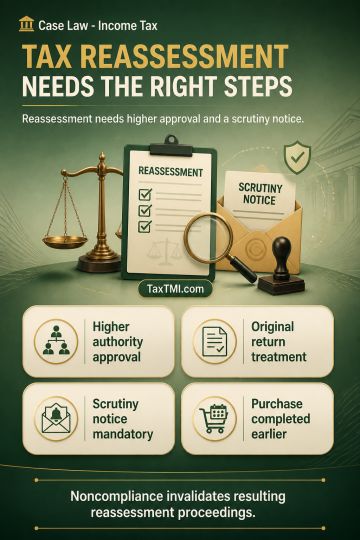
Opportunity to furnish unsecured-loan confirmations is required before reassessment initiation; proceedings require fresh consideration after taxpayer...
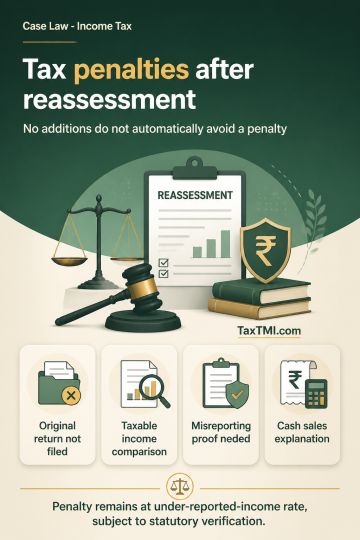
Under-reporting on a first reassessment return attracts penalty, while enhanced misreporting penalty requires proof of a statutory misreporting catego...
The petition challenged the criminal complaint filed against the petitioner u/s 138 read with Section 141 of the Negotiable Instruments Act for dishonor of cheque. The petitioner was impleaded as an accused in the capacity of Director of the company. However, the documents revealed that the petitioner was appointed as an Additional Independent Non-Executive Director after the loan was taken and had resigned before the cheque was dishonored. The complaint lacked specific allegations regarding the petitioner's involvement in the day-to-day affairs and conduct of the company's business. The Annual Report showed the petitioner did not attend any Board Meetings or the Annual General Meeting, indicating non-involvement. The High Court, following Supreme Court precedents, held that the petitioner cannot be made vicariously liable as an Additional Independent Non-Executive Director without specific allegations of involvement. Continuing the criminal complaint against the petitioner would be an abuse of the process of law. Consequently, the High Court quashed the criminal complaint against the petitioner.
The petition challenged the criminal complaint filed against the petitioner u/s 138 read with Section 141 of the Negotiable Instruments Act for dishonor of cheque. The petitioner was impleaded as an accused in the capacity of Director of the company. However, the documents revealed that the petitioner was appointed as an Additional Independent Non-Executive Director after the loan was taken and had resigned before the cheque was dishonored. The complaint lacked specific allegations regarding the petitioner's involvement in the day-to-day affairs and conduct of the company's business. The Annual Report showed the petitioner did not attend any Board Meetings or the Annual General Meeting, indicating non-involvement. The High Court, following Supreme Court precedents, held that the petitioner cannot be made vicariously liable as an Additional Independent Non-Executive Director without specific allegations of involvement. Continuing the criminal complaint against the petitioner would be an abuse of the process of law. Consequently, the High Court quashed the criminal complaint against the petitioner.
Note: It is a system-generated summary and is for quick reference only.
 TaxTMI
  TaxTMI
 of 4916