Third-party loose sheets require reliable nexus before supporting unexplained expenditure additions; presumptions do not establish payer identity or o...
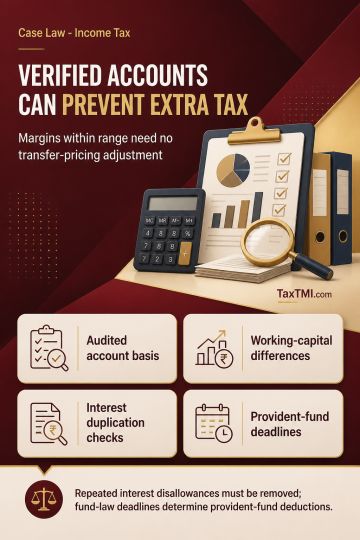
TNMM comparability using audited accounts and working-capital adjustments can eliminate unwarranted transfer-pricing additions where verified margins ...
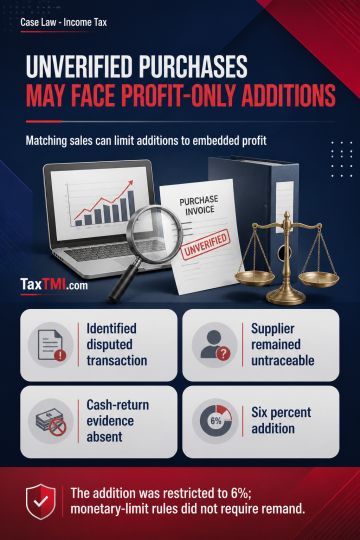
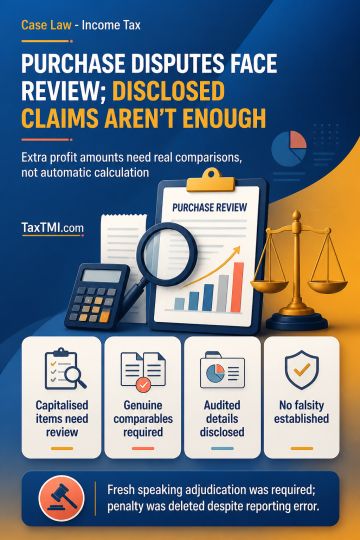
Gross-profit additions on disputed purchases require reasoned appellate determination; disclosed claims alone do not support inaccurate-particulars pe...
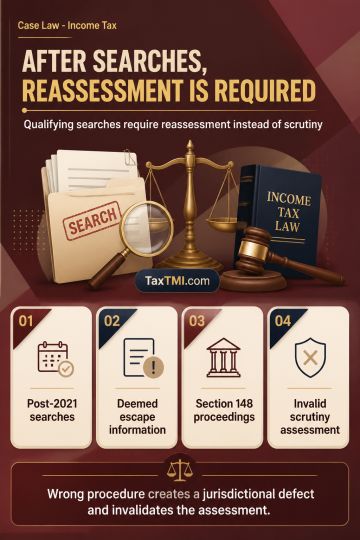
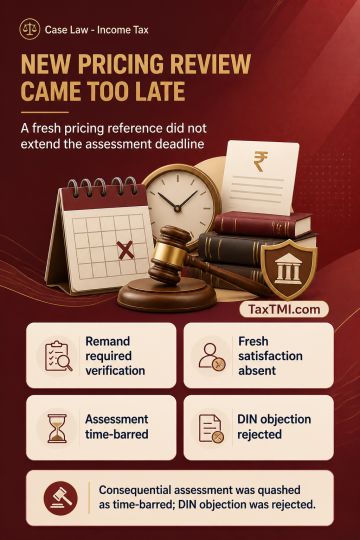
Limitation after transfer-pricing remand: fresh TPO reference did not extend the assessment deadline, rendering the consequential assessment time-barr...
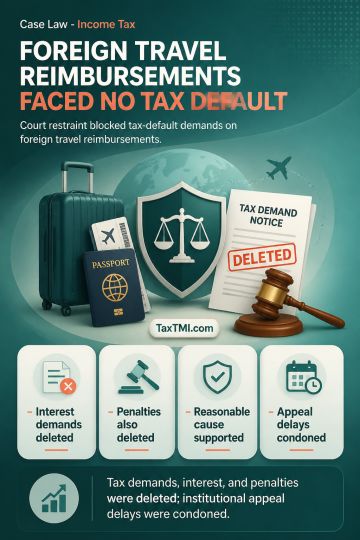
Interim judicial restraint on tax deduction prevents default, while supporting reasonable cause and penalty deletion for foreign-leg LFC reimbursement...
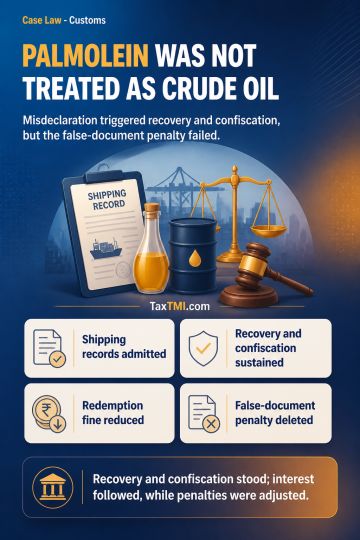
Palmolein classification defeated the crude-oil concession; material misdeclaration sustained recovery and confiscation, while separate false-document...
This case deals with the issue of granting bail in a case involving forgery, creation of fake GST firms, and related economic offenses. The key points are: The court held that the present case is one of forgery and not related to GST, hence the accused cannot claim the benefit of bail granted in other GST cases. The court analyzed the concepts of inquiry, investigation, and trial under the Criminal Procedure Code, concluding that the arguments raised by the accused regarding jurisdiction have no merit. The court examined the applicability of Section 27 of the Indian Evidence Act, 1872, which deals with the relevancy of information received from an accused person in police custody. It held that the confessional statements made by the accused leading to the discovery of laptops, mobiles, SIM cards, and fake invoices are admissible as evidence under this section. The court emphasized that economic offenses like fraud, money laundering, and corruption are viewed seriously as they affect the economic fabric of society. In this case, involving crores of rupees and registration of fake firms using forged Aadhaar and PAN cards, the court found grounds to deny bail. The accused were avoiding court proceedings and causing deliberate delays, indicating interference with the judicial process, which further justified the denial of bail. The court also rejected the jurisdictional arguments raised by the accused, stating that the genuineness of the.
This case deals with the issue of granting bail in a case involving forgery, creation of fake GST firms, and related economic offenses. The key points are: The court held that the present case is one of forgery and not related to GST, hence the accused cannot claim the benefit of bail granted in other GST cases. The court analyzed the concepts of inquiry, investigation, and trial under the Criminal Procedure Code, concluding that the arguments raised by the accused regarding jurisdiction have no merit. The court examined the applicability of Section 27 of the Indian Evidence Act, 1872, which deals with the relevancy of information received from an accused person in police custody. It held that the confessional statements made by the accused leading to the discovery of laptops, mobiles, SIM cards, and fake invoices are admissible as evidence under this section. The court emphasized that economic offenses like fraud, money laundering, and corruption are viewed seriously as they affect the economic fabric of society. In this case, involving crores of rupees and registration of fake firms using forged Aadhaar and PAN cards, the court found grounds to deny bail. The accused were avoiding court proceedings and causing deliberate delays, indicating interference with the judicial process, which further justified the denial of bail. The court also rejected the jurisdictional arguments raised by the accused, stating that the genuineness of the.
Note: It is a system-generated summary and is for quick reference only.
 TaxTMI
  TaxTMI
 of 4891