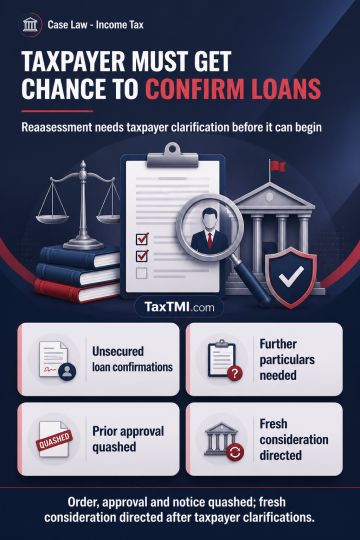
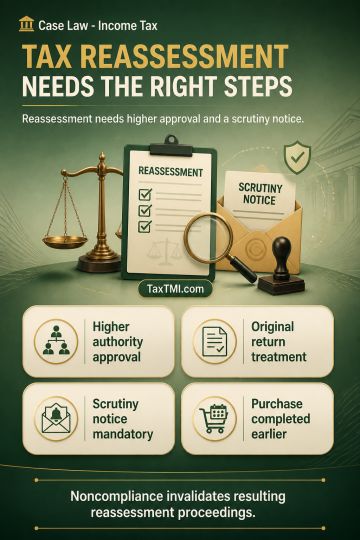
Opportunity to furnish unsecured-loan confirmations is required before reassessment initiation; proceedings require fresh consideration after taxpayer...
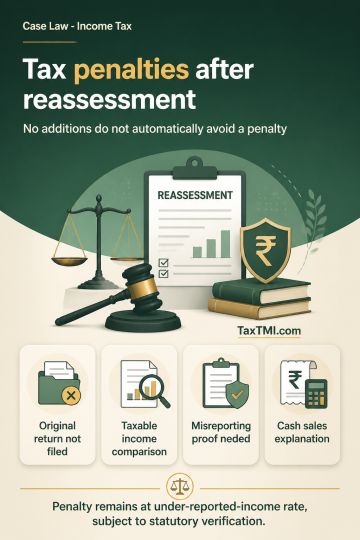
Under-reporting on a first reassessment return attracts penalty, while enhanced misreporting penalty requires proof of a statutory misreporting catego...
The assessee had demonstrated the genuineness of the share transaction resulting in long-term capital gains, which were claimed as exempt u/s 10(38). The Revenue contended that the transaction was a bogus penny stock transaction to infuse unaccounted income. The ITAT held that the assessee had discharged the onus of proving the genuineness of the transaction, and the Revenue failed to establish that it was a bogus transaction. The ITAT observed that the Revenue relied solely on an investigation report without providing details or establishing how the assessee's case fitted the modus operandi of the alleged entry operator. The ITAT noted the long gap between purchase and sale of shares at varying prices, dematerialized nature of shares, transactions through a prominent broker, and other scrips traded by the assessee, concluding that the Revenue failed to demonstrate premeditation. The ITAT decided in favor of the assessee.
The assessee had demonstrated the genuineness of the share transaction resulting in long-term capital gains, which were claimed as exempt u/s 10(38). The Revenue contended that the transaction was a bogus penny stock transaction to infuse unaccounted income. The ITAT held that the assessee had discharged the onus of proving the genuineness of the transaction, and the Revenue failed to establish that it was a bogus transaction. The ITAT observed that the Revenue relied solely on an investigation report without providing details or establishing how the assessee's case fitted the modus operandi of the alleged entry operator. The ITAT noted the long gap between purchase and sale of shares at varying prices, dematerialized nature of shares, transactions through a prominent broker, and other scrips traded by the assessee, concluding that the Revenue failed to demonstrate premeditation. The ITAT decided in favor of the assessee.
Note: It is a system-generated summary and is for quick reference only.
 TaxTMI
  TaxTMI
 of 4916