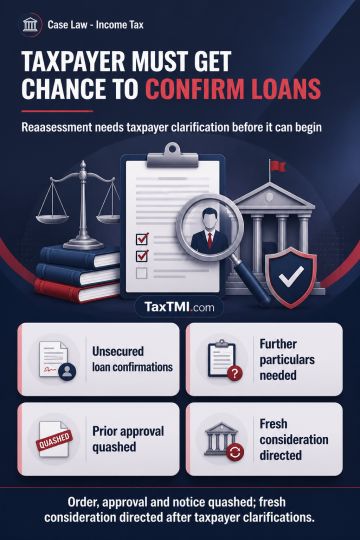
Opportunity to furnish unsecured-loan confirmations is required before reassessment initiation; proceedings require fresh consideration after taxpayer...
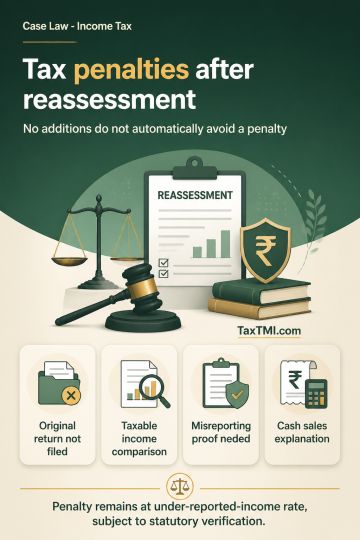
Under-reporting on a first reassessment return attracts penalty, while enhanced misreporting penalty requires proof of a statutory misreporting catego...
The High Court held that the respondents took an excessively narrow view by refusing relief to the petitioner under the Direct Tax Vivad Se Vishwas Act, 2020 (VSV Act). The VSV Act aims to resolve disputes pending at various appellate stages on the prescribed date, concerning challenges instituted by the assessee against adverse findings or decisions in the original assessment order. The statute defines "disputed tax liability" and "tax arrears," indicating that the settlement should be confined to the contested part of the assessment. Imposing a liability exceeding the disputed matter would be unjust. Once the Assessing Officer granted carry forward and set off of losses and unabsorbed depreciation, denying the same to the declarant would be improper. The Designated Authority erred by not rectifying the mistake in Form 3, which would deprive the petitioner of asserting the claim. The High Court quashed the impugned order, allowing the writ petition.
The High Court held that the respondents took an excessively narrow view by refusing relief to the petitioner under the Direct Tax Vivad Se Vishwas Act, 2020 (VSV Act). The VSV Act aims to resolve disputes pending at various appellate stages on the prescribed date, concerning challenges instituted by the assessee against adverse findings or decisions in the original assessment order. The statute defines "disputed tax liability" and "tax arrears," indicating that the settlement should be confined to the contested part of the assessment. Imposing a liability exceeding the disputed matter would be unjust. Once the Assessing Officer granted carry forward and set off of losses and unabsorbed depreciation, denying the same to the declarant would be improper. The Designated Authority erred by not rectifying the mistake in Form 3, which would deprive the petitioner of asserting the claim. The High Court quashed the impugned order, allowing the writ petition.
Note: It is a system-generated summary and is for quick reference only.
 TaxTMI
 TaxTMI

 of 4915