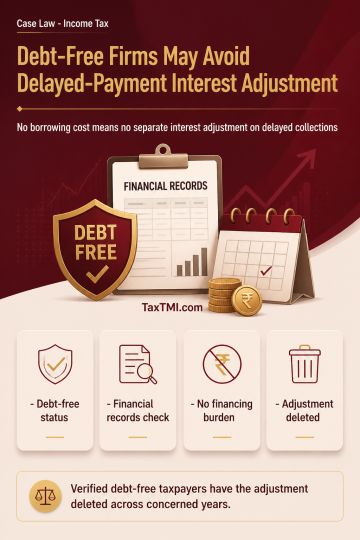
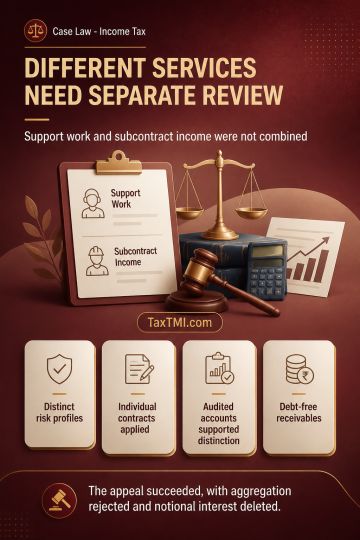
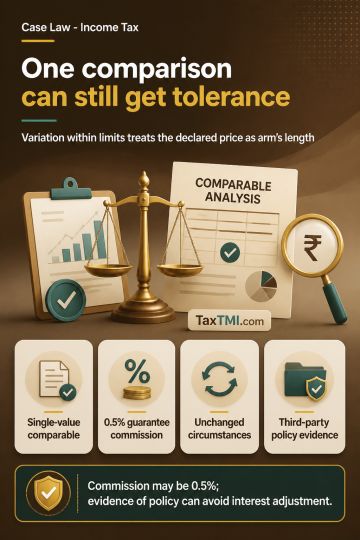
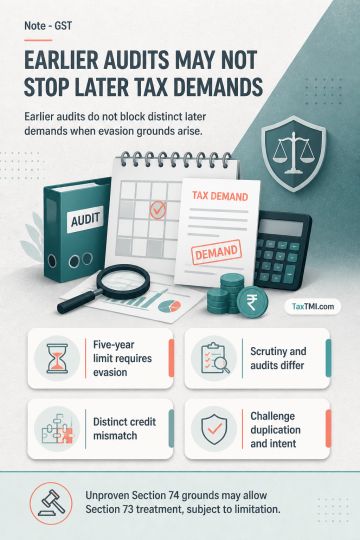
Transfer-pricing aggregation of distinct support-service and subcontract transactions was rejected, while debt-free receivables attracted no notional ...
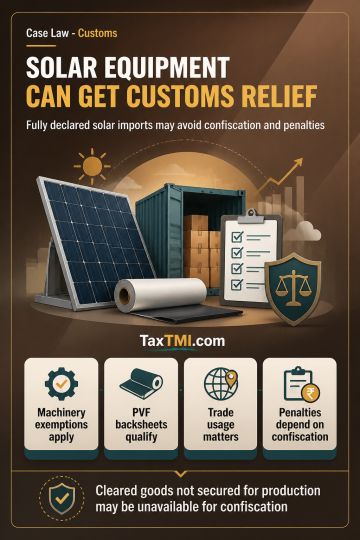
Customs exemptions cover photovoltaic assembly machinery and PVF backsheets, while fully declared cleared imports may avoid confiscation and penalties...
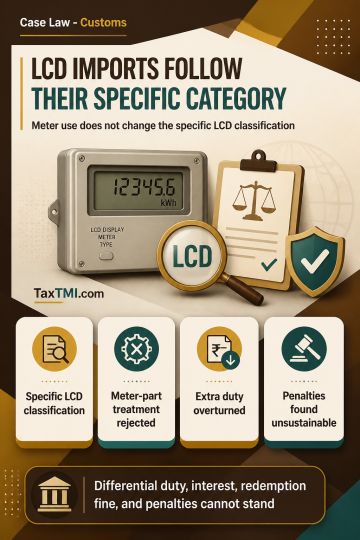
Specific tariff classification for LCD devices overrides treatment as electricity-meter parts, defeating differential duty, extended limitation, and p...
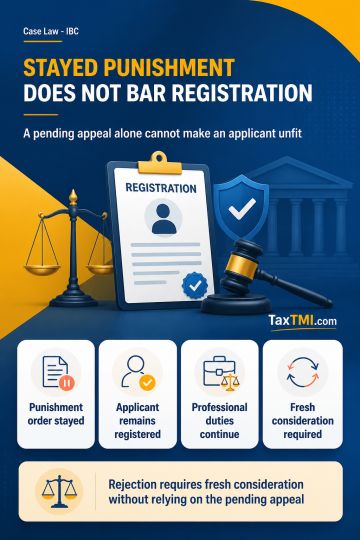
Stayed disciplinary punishment does not establish unfitness for insolvency professional registration; reconsideration must disregard mere pendency of ...
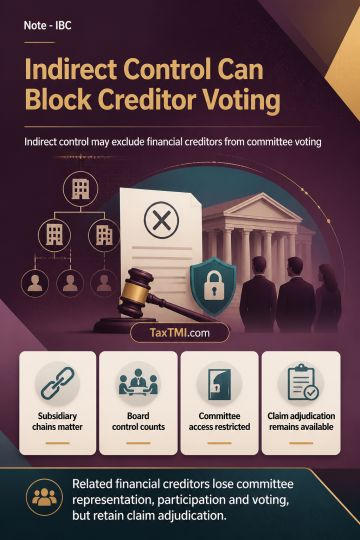
Indirect corporate control can create related-party status, excluding financial creditors from Committee of Creditors representation, participation an...
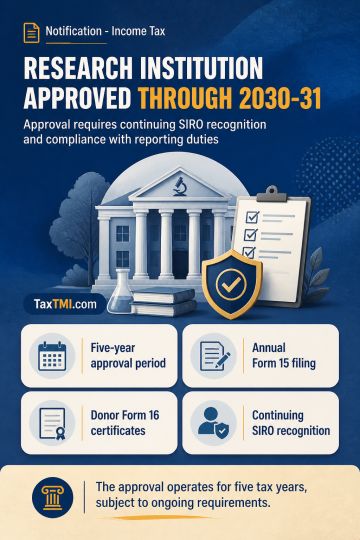
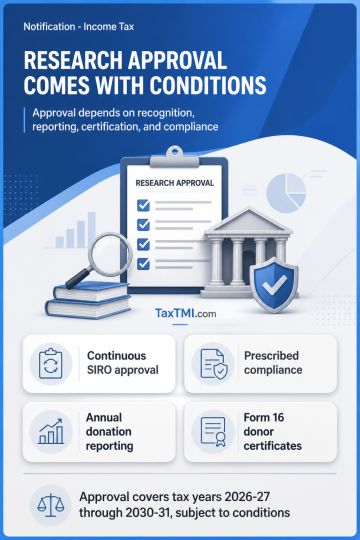
Scientific research association approval requires continuing SIRO status, annual donation reporting, and donor certificates for the approved foundatio...
Scientific research institution approval is conditional on SIRO recognition, annual donation reporting, donor certification, and prescribed compliance...
Page of 4878
Press 'Enter' after typing page number.
41 to 60 of 97553 Results
❮
❯
❯❯
0 / 200
Expand Note
Add to Folder
No Folders have been created
+
Are you sure you want to delete "My most important" ?
The High Court held that the levy of tax and penalty on detained goods was unjustified as there was no intention to avoid tax payment. The petitioner accompanied the goods with relevant documents like tax invoice, goods receipt, and e-way bills mentioning Ghaziabad as the dispatch location. The petitioner's reply stated the purchase was from a Ghaziabad dealer, which was not denied. The state failed to prove the goods were purchased from a non-bonafide dealer. Since the petitioner was present before the authority, proceedings u/s 129(1)(b) of the Act were inappropriate when the consignor claimed ownership with tax invoice and e-way bill. The impugned orders were quashed as unsustainable in law.
The High Court held that the levy of tax and penalty on detained goods was unjustified as there was no intention to avoid tax payment. The petitioner accompanied the goods with relevant documents like tax invoice, goods receipt, and e-way bills mentioning Ghaziabad as the dispatch location. The petitioner's reply stated the purchase was from a Ghaziabad dealer, which was not denied. The state failed to prove the goods were purchased from a non-bonafide dealer. Since the petitioner was present before the authority, proceedings u/s 129(1)(b) of the Act were inappropriate when the consignor claimed ownership with tax invoice and e-way bill. The impugned orders were quashed as unsustainable in law.
Note: It is a system-generated summary and is for quick reference only.
 TaxTMI
  TaxTMI
 of 4878