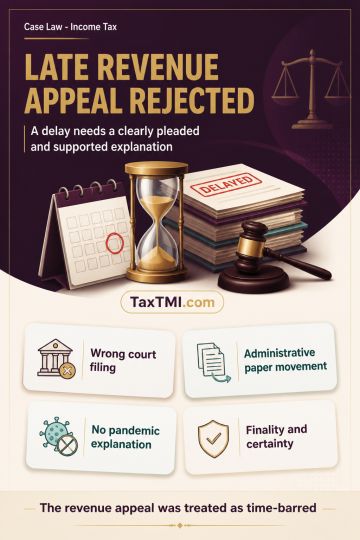
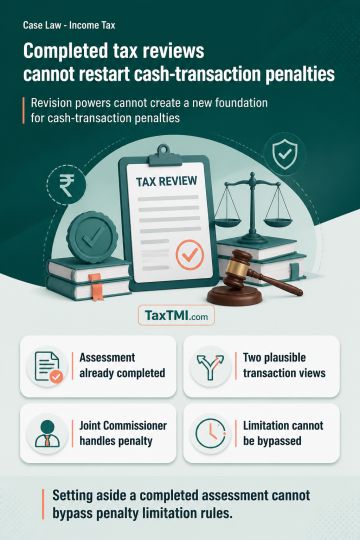
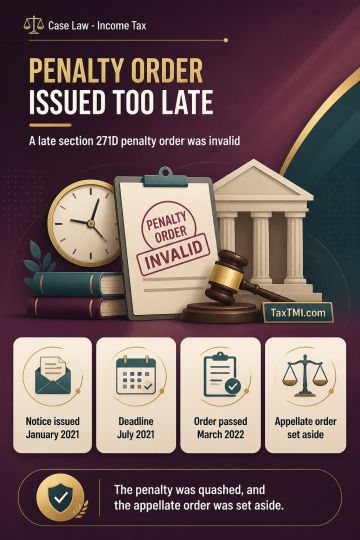
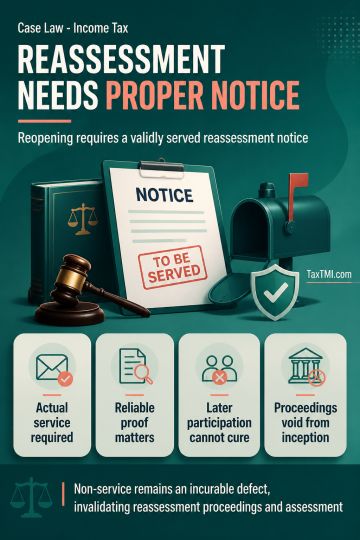
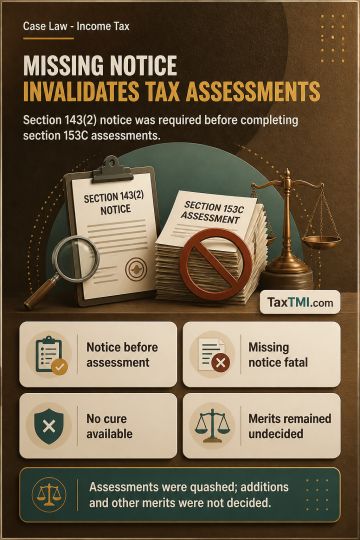
Pre-amendment reassessment limitation bars late notices under the preserved regime, invalidating consequential reassessment for affected earlier asses...
Cash-sales explanations for bank deposits require documentary reconciliation; reassessment notice survived where effective response time was available...
Functional comparability in transfer pricing prevents ad hoc arm's length adjustments where functions, assets, risks and reliable comparables are unes...
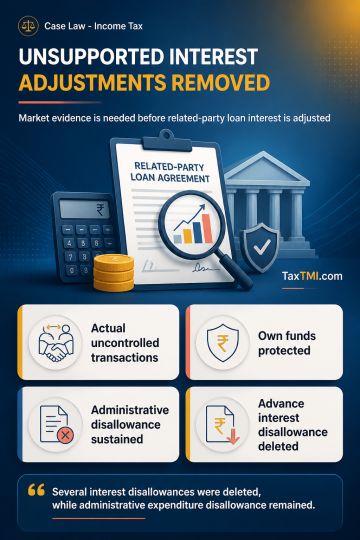
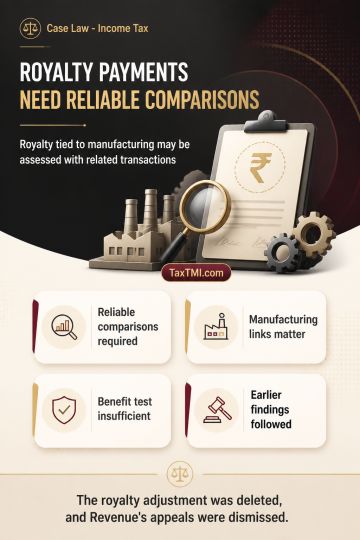
Contingency expenses, exempt-income disallowance, and royalty benchmarking: unsupported adjustments were deleted under consistent accounting and trans...
The petition challenges the arrest of the petitioner u/s 19(1) of the Prevention of Money Laundering Act (PMLA), 2002, alleging non-compliance with the requirement of informing the grounds of arrest. However, the arrest memo indicates that the petitioner refused to receive it after being informed of the grounds. The Court finds no illegality in the arrest procedure. The Court acknowledges the petitioner's right to make successive bail applications and its duty to consider the reasons for earlier rejections. It upholds its previous findings that the Enforcement Directorate has collected material satisfying the presumptions u/ss 22 and 23 of the PMLA, and the petitioner cannot be held "not guilty" at this stage. The Court cites a recent Supreme Court judgment in Manish Sisodia, which held that the right to bail in cases of delay and long incarceration should be read into Section 439 of the Code of Criminal Procedure and Section 45 of the PMLA. Section 479 of the Bharatiya Nagarik Suraksha Sanhita, 2023, as amended, mandates the release of a first-time offender on bond if they have undergone detention for up to one-third of the maximum imprisonment period for the offence. The petitioner, being in custody for about two years.
The petition challenges the arrest of the petitioner u/s 19(1) of the Prevention of Money Laundering Act (PMLA), 2002, alleging non-compliance with the requirement of informing the grounds of arrest. However, the arrest memo indicates that the petitioner refused to receive it after being informed of the grounds. The Court finds no illegality in the arrest procedure. The Court acknowledges the petitioner's right to make successive bail applications and its duty to consider the reasons for earlier rejections. It upholds its previous findings that the Enforcement Directorate has collected material satisfying the presumptions u/ss 22 and 23 of the PMLA, and the petitioner cannot be held "not guilty" at this stage. The Court cites a recent Supreme Court judgment in Manish Sisodia, which held that the right to bail in cases of delay and long incarceration should be read into Section 439 of the Code of Criminal Procedure and Section 45 of the PMLA. Section 479 of the Bharatiya Nagarik Suraksha Sanhita, 2023, as amended, mandates the release of a first-time offender on bond if they have undergone detention for up to one-third of the maximum imprisonment period for the offence. The petitioner, being in custody for about two years.
Note: It is a system-generated summary and is for quick reference only.
 TaxTMI
 TaxTMI

 of 4918