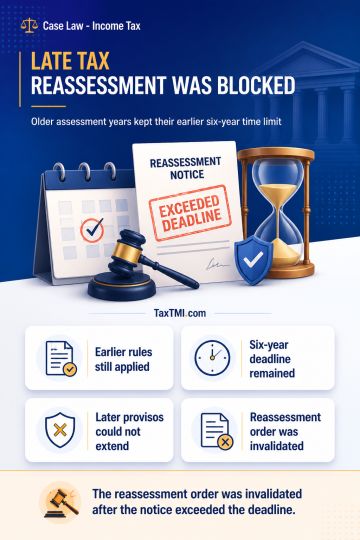
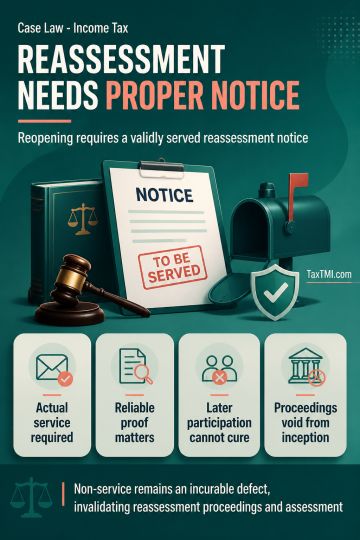
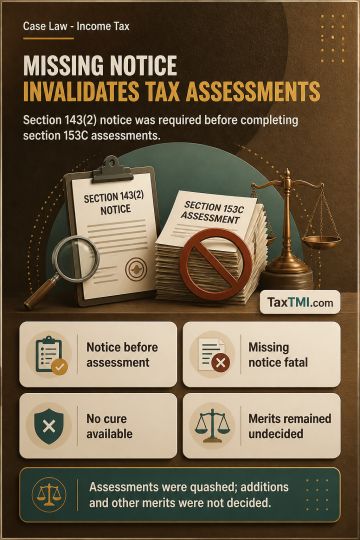
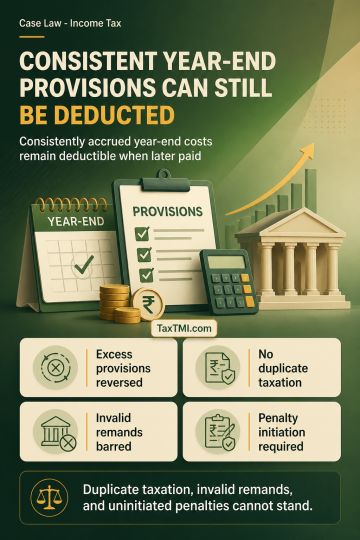
Pre-amendment reassessment limitation bars late notices under the preserved regime, invalidating consequential reassessment for affected earlier asses...
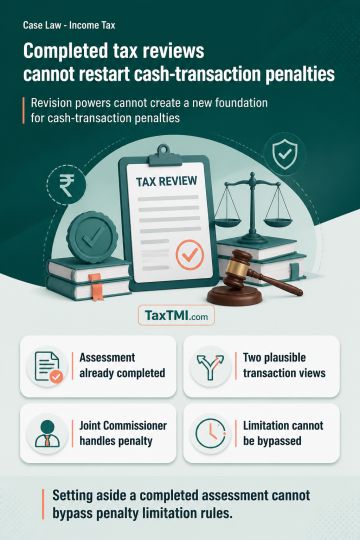
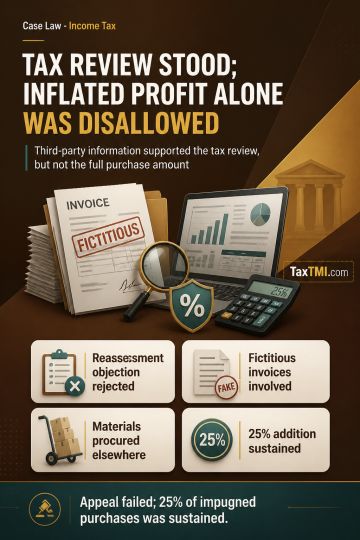
Cash-sales explanations for bank deposits require documentary reconciliation; reassessment notice survived where effective response time was available...
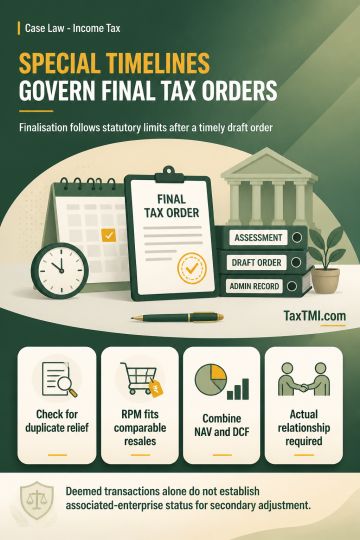
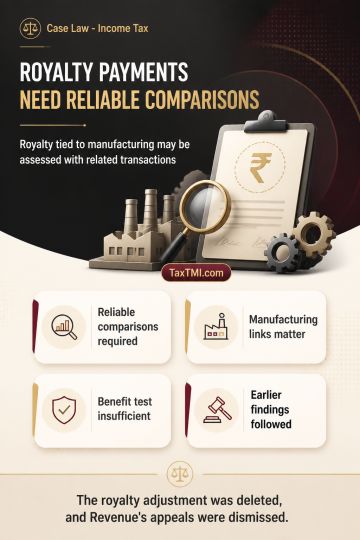
Functional comparability in transfer pricing prevents ad hoc arm's length adjustments where functions, assets, risks and reliable comparables are unes...
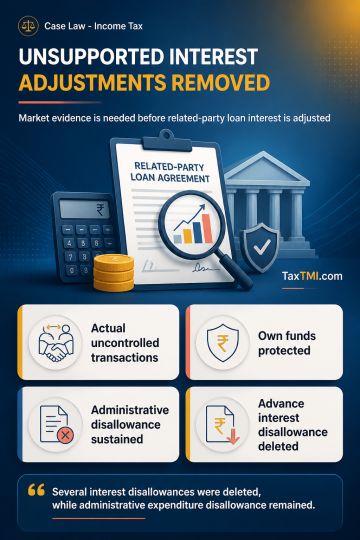
Contingency expenses, exempt-income disallowance, and royalty benchmarking: unsupported adjustments were deleted under consistent accounting and trans...
Capital subsidy received by assessee for setting up new industry, by way of refund of sales tax/excise duty, is a capital receipt not includible in book profits for MAT computation u/s 115JB. Once subsidy is reduced from written down value (WDV) of assets for depreciation purposes, it cannot be treated as income u/s 2(24)(xviii) from A.Y. 2016-17 onwards. Capital receipts are excluded from book profits even if credited in profit and loss account. Allowing subsidy for depreciation but disallowing for MAT would lead to double taxation. Consistent treatment should be given for regular income and MAT purposes.
Capital subsidy received by assessee for setting up new industry, by way of refund of sales tax/excise duty, is a capital receipt not includible in book profits for MAT computation u/s 115JB. Once subsidy is reduced from written down value (WDV) of assets for depreciation purposes, it cannot be treated as income u/s 2(24)(xviii) from A.Y. 2016-17 onwards. Capital receipts are excluded from book profits even if credited in profit and loss account. Allowing subsidy for depreciation but disallowing for MAT would lead to double taxation. Consistent treatment should be given for regular income and MAT purposes.
Note: It is a system-generated summary and is for quick reference only.
 TaxTMI
 TaxTMI

 of 4918