Human-probability test defeats political donation deductions where banking records mask accommodation-entry fund layering rather than genuine contribu...
Electronic evidence and search statements in tax assessments require authenticity review and corroboration, while procedural manuals lack statutory fo...
Tariff rate quota authorisations govern preferential imports of specified New Zealand goods through export certification and electronic customs debiti...
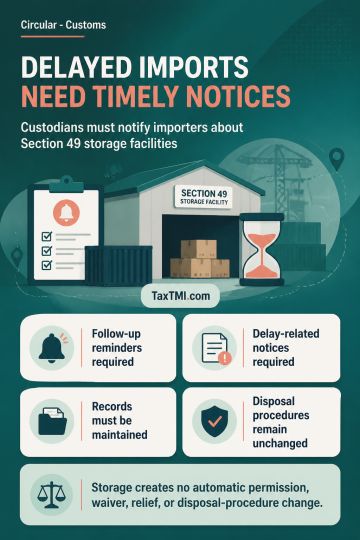
Electronic Continuity Bond Registration replaces manual container permissions, with quarterly reporting and re-export monitoring for duty-free contain...
The case pertains to the disallowance of a provision for contract losses by the CIT(A) and AO, who erroneously concluded it as an unascertained liability not deductible u/s 37. The provision represents the excess of estimated contract expenditure over estimated contract revenues. The ITAT held that the provision constitutes an ascertained liability/probable loss for the assessee, made on a scientific basis. Both lower authorities erred in appreciating that revenue from the contract was also recognized on a percentage of completion basis. The case laws cited by the assessee support this view. The FLSmidth case is distinguishable as the assessee couldn't explain how contract costs would exceed revenues. However, in the present case, the assessee recognized revenue and expenses on the same methodology, supported by computations, and the provision was reversed in subsequent years. The Triveni Engg case is on similar facts, where the court allowed the deduction for such a provision. Therefore, the impugned provision is an allowable deduction, and the question of adding it to book profits does not arise. The assessee's appeal is allowed.
The case pertains to the disallowance of a provision for contract losses by the CIT(A) and AO, who erroneously concluded it as an unascertained liability not deductible u/s 37. The provision represents the excess of estimated contract expenditure over estimated contract revenues. The ITAT held that the provision constitutes an ascertained liability/probable loss for the assessee, made on a scientific basis. Both lower authorities erred in appreciating that revenue from the contract was also recognized on a percentage of completion basis. The case laws cited by the assessee support this view. The FLSmidth case is distinguishable as the assessee couldn't explain how contract costs would exceed revenues. However, in the present case, the assessee recognized revenue and expenses on the same methodology, supported by computations, and the provision was reversed in subsequent years. The Triveni Engg case is on similar facts, where the court allowed the deduction for such a provision. Therefore, the impugned provision is an allowable deduction, and the question of adding it to book profits does not arise. The assessee's appeal is allowed.
Note: It is a system-generated summary and is for quick reference only.
 TaxTMI
 TaxTMI

 of 4920