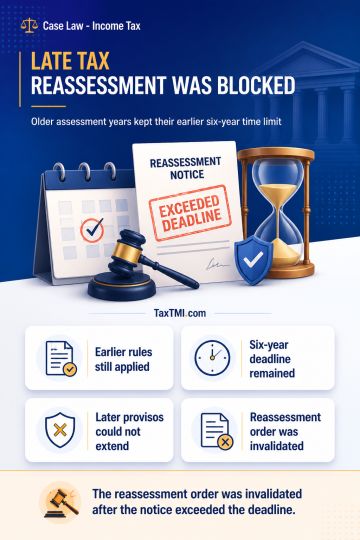
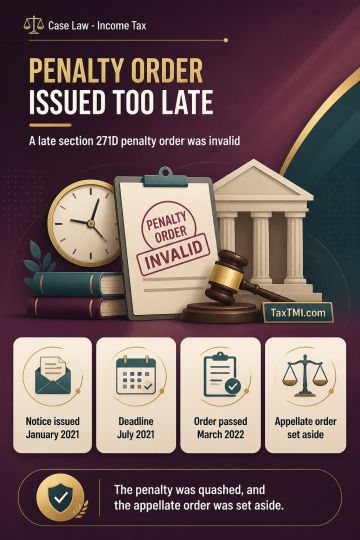
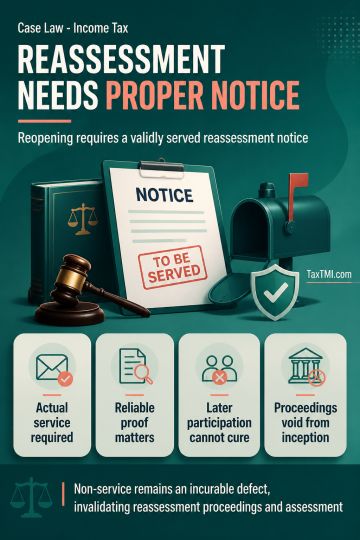
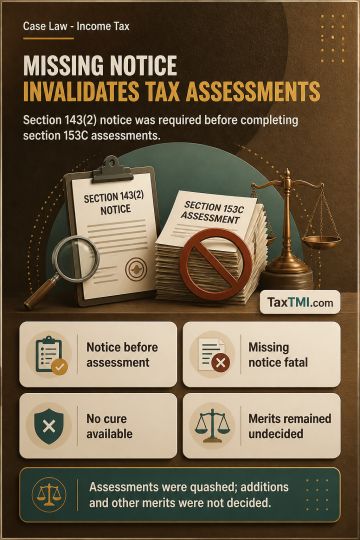
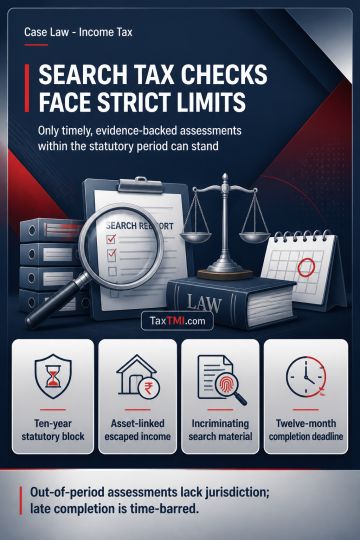
Pre-amendment reassessment limitation bars late notices under the preserved regime, invalidating consequential reassessment for affected earlier asses...
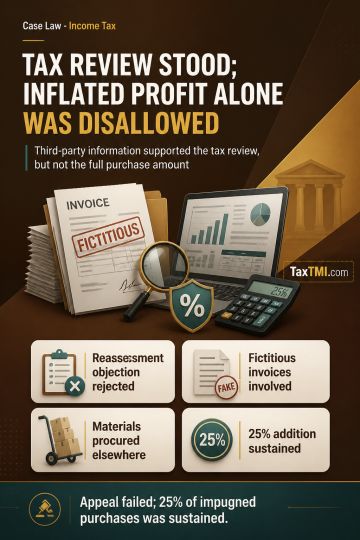
Cash-sales explanations for bank deposits require documentary reconciliation; reassessment notice survived where effective response time was available...
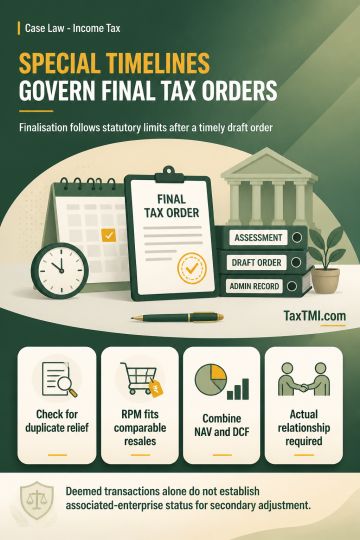
Functional comparability in transfer pricing prevents ad hoc arm's length adjustments where functions, assets, risks and reliable comparables are unes...
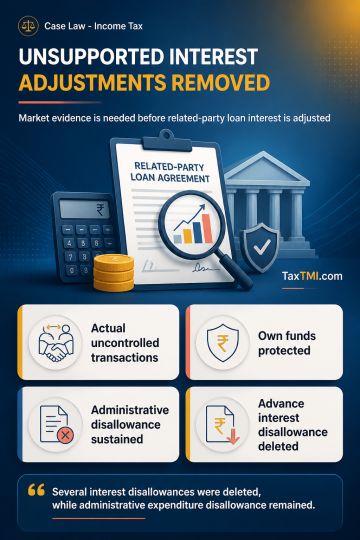
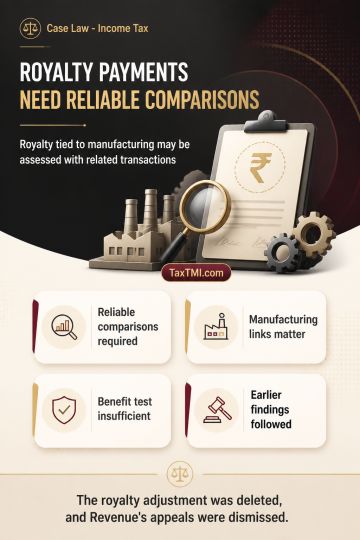
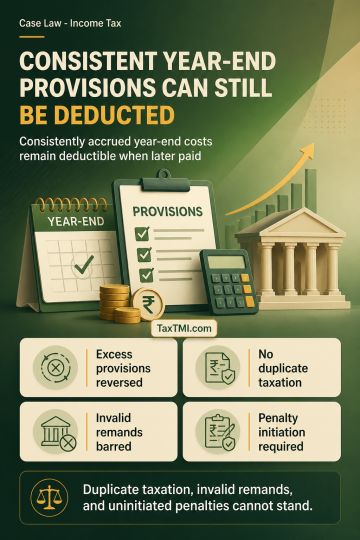
Contingency expenses, exempt-income disallowance, and royalty benchmarking: unsupported adjustments were deleted under consistent accounting and trans...
GST Authorities invoked penal provisions under Indian Penal Code against the petitioner without invoking penal provisions of GST Act, despite the alleged offences being covered under GST Act. This was done without obtaining sanction u/s 132(6) of GST Act. The court held that GST Act is a special legislation dealing with GST-related procedures, penalties, and offences. Authorities cannot bypass the prescribed procedure for launching prosecution under GST Act by simply invoking IPC provisions without invoking GST Act provisions, especially when allegations constitute offences covered under GST Act. Doing so would amount to bypassing procedural safeguards like obtaining commissioner's sanction u/s 132(6), prejudicing the petitioner. Allowing authorities to adopt such a course would be an abuse of process of law, which cannot be permitted. Consequently, the petition was allowed, quashing the prosecution launched without following due process under GST Act.
GST Authorities invoked penal provisions under Indian Penal Code against the petitioner without invoking penal provisions of GST Act, despite the alleged offences being covered under GST Act. This was done without obtaining sanction u/s 132(6) of GST Act. The court held that GST Act is a special legislation dealing with GST-related procedures, penalties, and offences. Authorities cannot bypass the prescribed procedure for launching prosecution under GST Act by simply invoking IPC provisions without invoking GST Act provisions, especially when allegations constitute offences covered under GST Act. Doing so would amount to bypassing procedural safeguards like obtaining commissioner's sanction u/s 132(6), prejudicing the petitioner. Allowing authorities to adopt such a course would be an abuse of process of law, which cannot be permitted. Consequently, the petition was allowed, quashing the prosecution launched without following due process under GST Act.
Note: It is a system-generated summary and is for quick reference only.
 TaxTMI
 TaxTMI

 of 4921