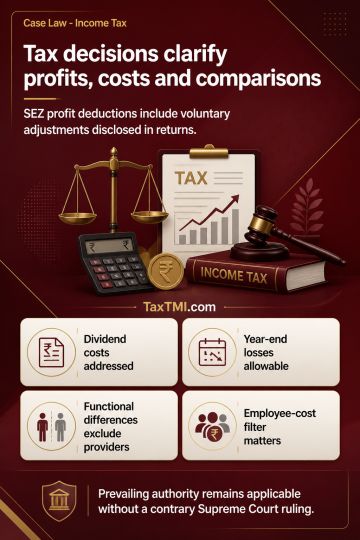
SEZ-unit profit deduction covers voluntary transfer-pricing adjustments, while exempt-income costs, foreign-exchange loss and ITeS comparables are exa...
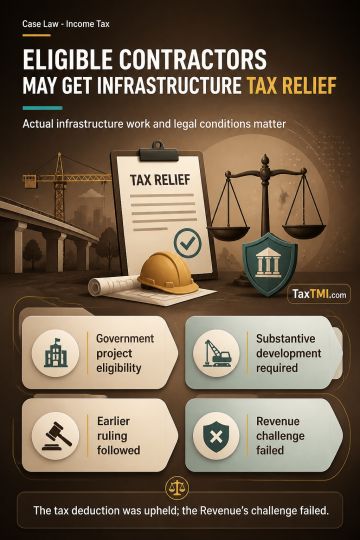
Infrastructure-development deduction remains available to EPC contractors when substantive statutory conditions outweigh contractor labels in agreemen...
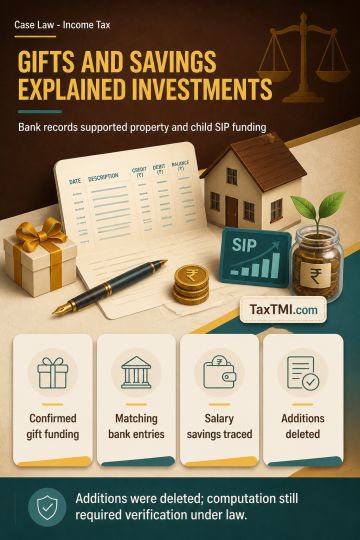
Explained Investment Sources: documented gifts and traceable salary savings supported deletion of additions for property and mutual-fund SIP investmen...
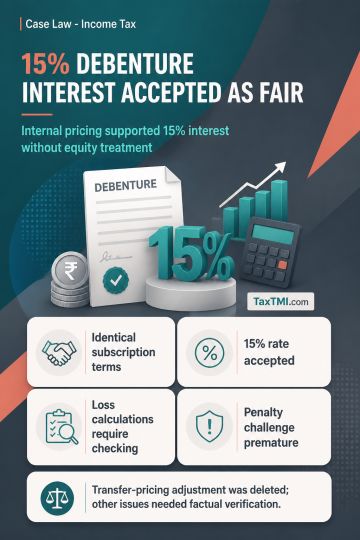
Internal comparable pricing supports arm's-length interest on compulsorily convertible debentures, preventing their recharacterisation as equity for t...
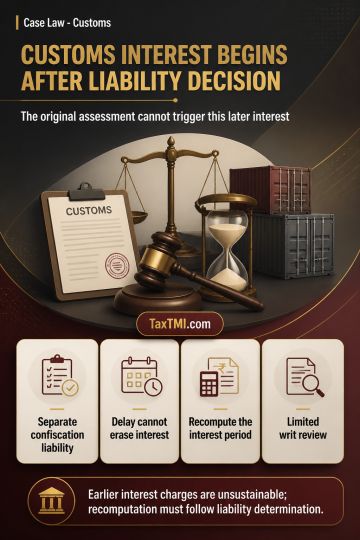
The case pertains to the alleged misdeclaration of value of zinc ash, a restricted item under the Foreign Trade Policy, requiring an import license. The goods were classified as hazardous waste and subject to re-export u/r 17(2) of the Hazardous Waste Rules, 2008. The authorities imposed a fine u/s 125 of the Customs Act, 1962, in lieu of confiscation u/ss 111(d) and 111(m), and a penalty u/s 112. The Tribunal held that invoking Section 111(m) for enhanced value due to non-compliance with the Customs Valuation Rules was not justified. The misdescription did not warrant Section 111(m) as the goods had not cleared for home consumption, and no conspiracy was established. Re-export was ordered under the Hazardous Waste Rules, not as an alternative clearance option under the Customs Act. Citing a precedent, the Tribunal stated that importers have a statutory right to re-export prohibited goods, which cannot be overlooked by authorities. The issue of undervaluation arises after determining the goods' prohibited status. Consequently, the redemption fine u/s 125 and penalty u/s 112 were set aside, and the appeal was allowed.
The case pertains to the alleged misdeclaration of value of zinc ash, a restricted item under the Foreign Trade Policy, requiring an import license. The goods were classified as hazardous waste and subject to re-export u/r 17(2) of the Hazardous Waste Rules, 2008. The authorities imposed a fine u/s 125 of the Customs Act, 1962, in lieu of confiscation u/ss 111(d) and 111(m), and a penalty u/s 112. The Tribunal held that invoking Section 111(m) for enhanced value due to non-compliance with the Customs Valuation Rules was not justified. The misdescription did not warrant Section 111(m) as the goods had not cleared for home consumption, and no conspiracy was established. Re-export was ordered under the Hazardous Waste Rules, not as an alternative clearance option under the Customs Act. Citing a precedent, the Tribunal stated that importers have a statutory right to re-export prohibited goods, which cannot be overlooked by authorities. The issue of undervaluation arises after determining the goods' prohibited status. Consequently, the redemption fine u/s 125 and penalty u/s 112 were set aside, and the appeal was allowed.
Note: It is a system-generated summary and is for quick reference only.
 TaxTMI
  TaxTMI
 of 4879