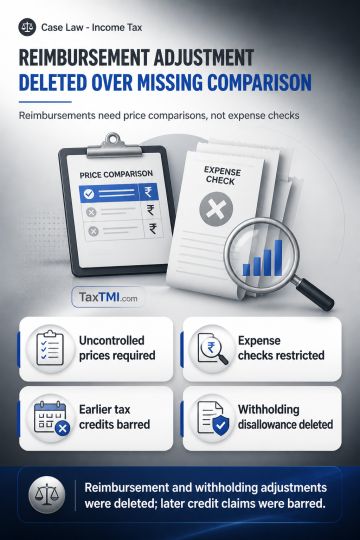
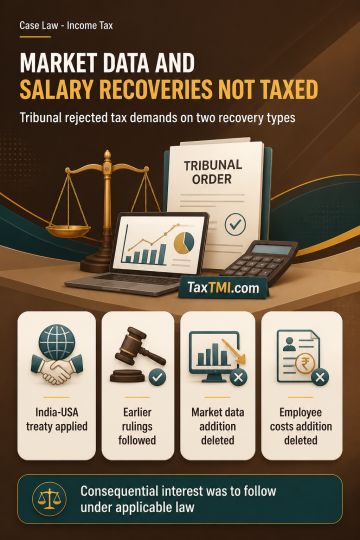
Transfer-pricing reimbursement adjustments require uncontrolled comparables and cannot become expense-genuineness reviews, resulting in deletion of th...
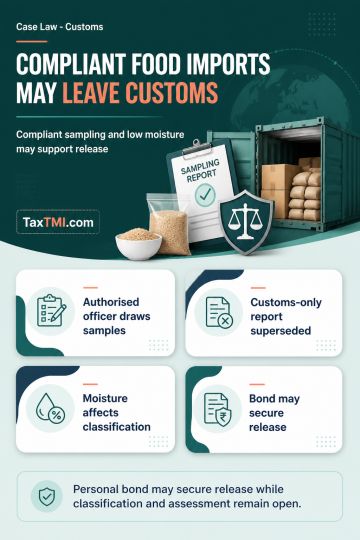
Food import sampling requirements support provisional release where unseized consignments conform to standards and raw areca classification is unestab...
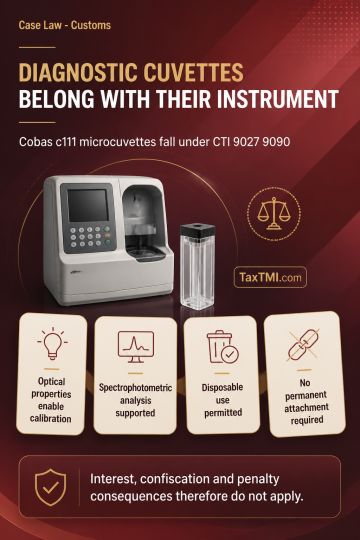
Diagnostic microcuvette classification follows sole-use analytical function, placing specialised disposable cuvettes with their analyser rather than g...
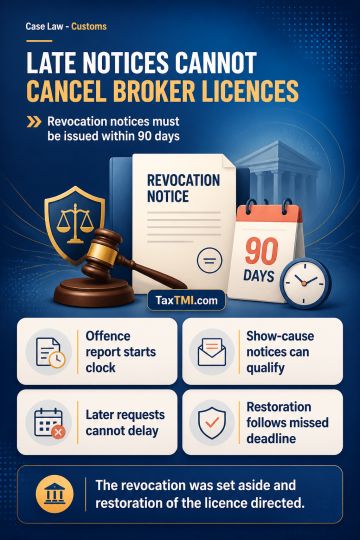
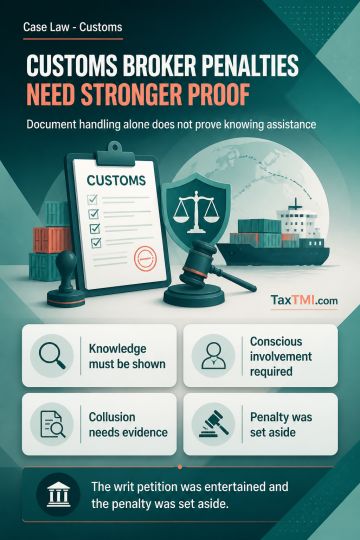
The appeal challenges the revocation of customs broker license, forfeiture of security deposit, and penalty imposed for alleged violations of Regulations 10(d) and 10(n) of Customs Brokers Licensing Regulations (CBLR). Regarding Regulation 10(d) violation, it was held that the appellants, being customs brokers (CB), neither had contact with the exporter nor informed the delay in export consignment, but they were not responsible for the mis-declaration of goods as 'Kraft paper' instead of prohibited 'Red Sanders' in the shipping bill filed online by another CB. As for Regulation 10(n) violation, the allegation of not conducting proper KYC verification of the exporter was rejected, as the appellants had initially obtained KYC documents and later transferred the consignment to another CB in Pune. The Delhi High Court had held that a CB is not an expert to identify mis-declaration of goods. Since the appellants were not handling the export consignment, they cannot be held responsible for violating Regulations 10(d) and 10(n). The impugned order revoking the CB license, forfeiting the security deposit, and imposing penalty was set aside by the Appellate Tribunal as it was contrary to facts and unsustainable in law.
The appeal challenges the revocation of customs broker license, forfeiture of security deposit, and penalty imposed for alleged violations of Regulations 10(d) and 10(n) of Customs Brokers Licensing Regulations (CBLR). Regarding Regulation 10(d) violation, it was held that the appellants, being customs brokers (CB), neither had contact with the exporter nor informed the delay in export consignment, but they were not responsible for the mis-declaration of goods as 'Kraft paper' instead of prohibited 'Red Sanders' in the shipping bill filed online by another CB. As for Regulation 10(n) violation, the allegation of not conducting proper KYC verification of the exporter was rejected, as the appellants had initially obtained KYC documents and later transferred the consignment to another CB in Pune. The Delhi High Court had held that a CB is not an expert to identify mis-declaration of goods. Since the appellants were not handling the export consignment, they cannot be held responsible for violating Regulations 10(d) and 10(n). The impugned order revoking the CB license, forfeiting the security deposit, and imposing penalty was set aside by the Appellate Tribunal as it was contrary to facts and unsustainable in law.
Note: It is a system-generated summary and is for quick reference only.
 TaxTMI
  TaxTMI
 of 4884