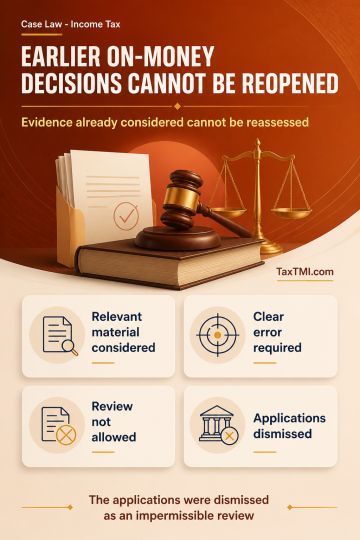
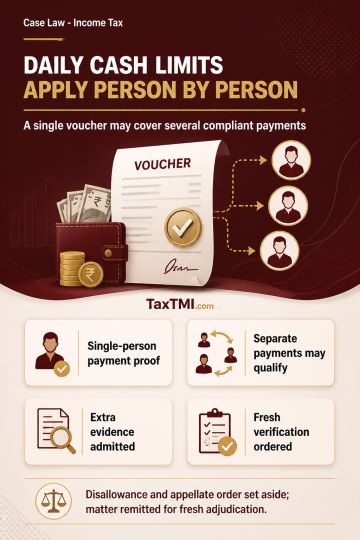
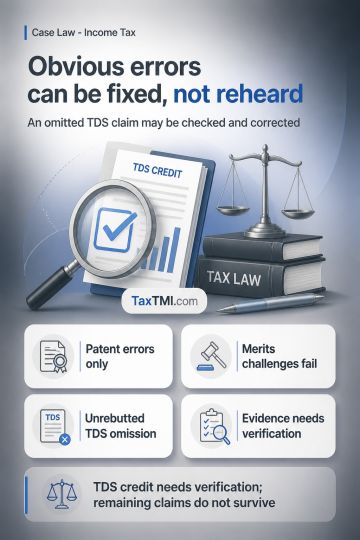
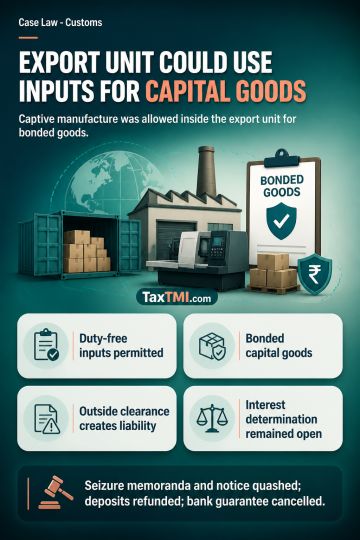
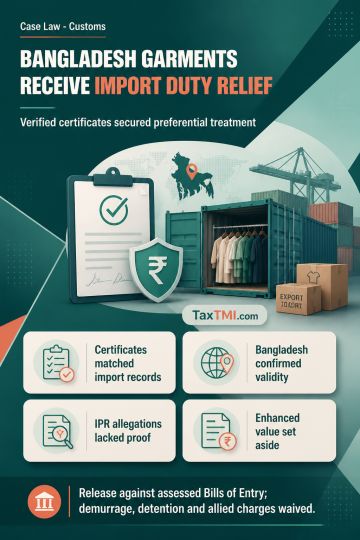
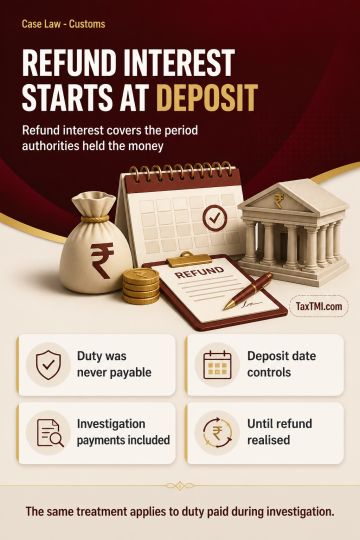
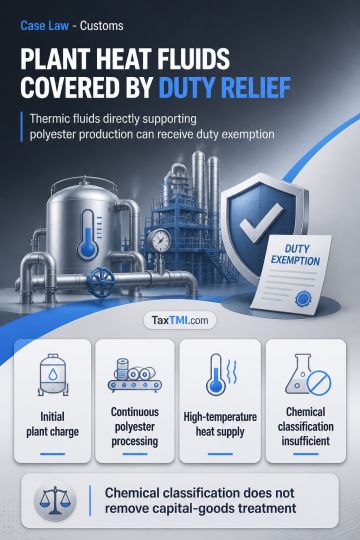
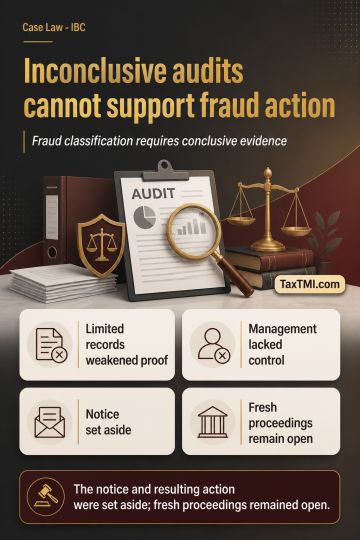
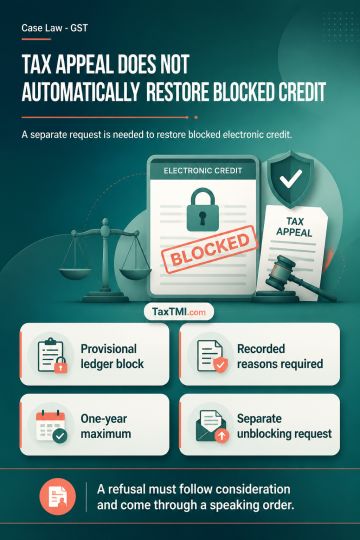
Fraud classification show-cause notices founded on inconclusive forensic audit material cannot sustain action, permitting fresh proceedings on conclus...
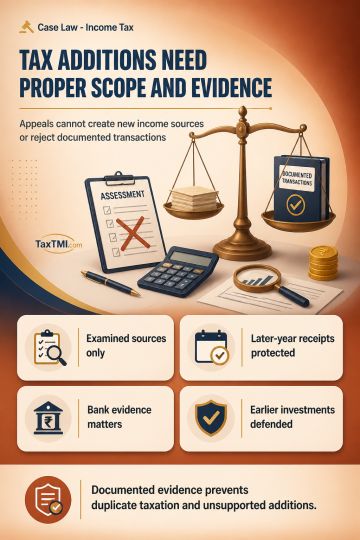
Appellate enhancement limits protect against new income sources, while documented credits and prior-year investments resist unexplained-income additio...
The High Court prima facie found the notification No. 56/2023 issued by the Central Board of Indirect Taxes and Customs to be inconsistent with Section 168(A) of the Central GST Act, 2017. Consequently, any actions based on the said notification would fail. While acknowledging the petitioner's entitlement to reliefs proposed in the Financial Bill 2024, the Court deemed it necessary to examine the applicability of force majeure concerning the notification, considering the Minutes of the 49th GST Council Meeting. However, the respondent authorities were granted an opportunity to present their stance and materials justifying the force majeure claim. Interim protection was granted to the petitioner, prohibiting coercive action based on the impugned assessment order dated 18.04.2024 until the next hearing scheduled for 21.08.2024, with the respondents directed to file affidavits by 19.08.2024.
The High Court prima facie found the notification No. 56/2023 issued by the Central Board of Indirect Taxes and Customs to be inconsistent with Section 168(A) of the Central GST Act, 2017. Consequently, any actions based on the said notification would fail. While acknowledging the petitioner's entitlement to reliefs proposed in the Financial Bill 2024, the Court deemed it necessary to examine the applicability of force majeure concerning the notification, considering the Minutes of the 49th GST Council Meeting. However, the respondent authorities were granted an opportunity to present their stance and materials justifying the force majeure claim. Interim protection was granted to the petitioner, prohibiting coercive action based on the impugned assessment order dated 18.04.2024 until the next hearing scheduled for 21.08.2024, with the respondents directed to file affidavits by 19.08.2024.
Note: It is a system-generated summary and is for quick reference only.
 TaxTMI
  TaxTMI
 of 4884