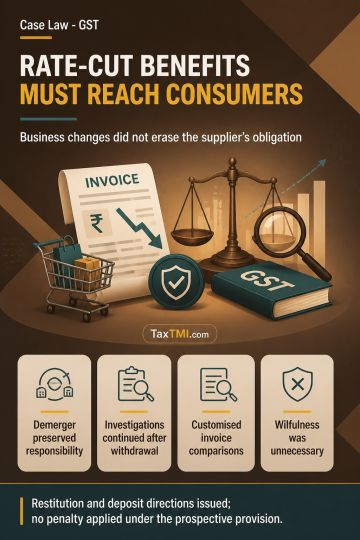
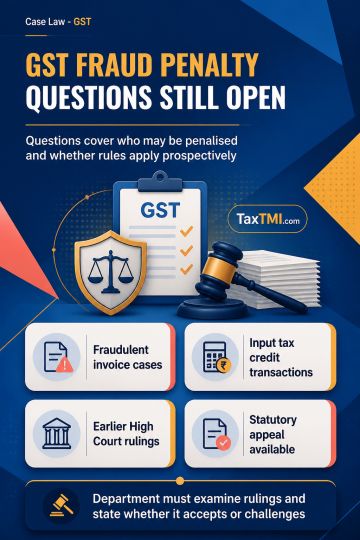
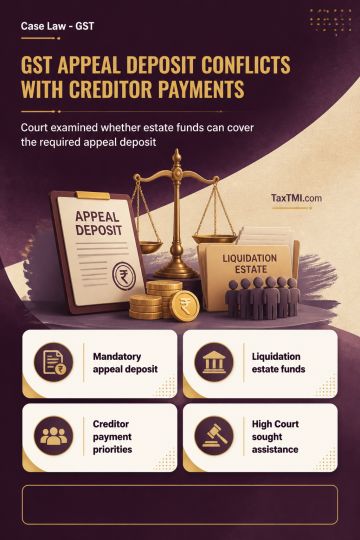
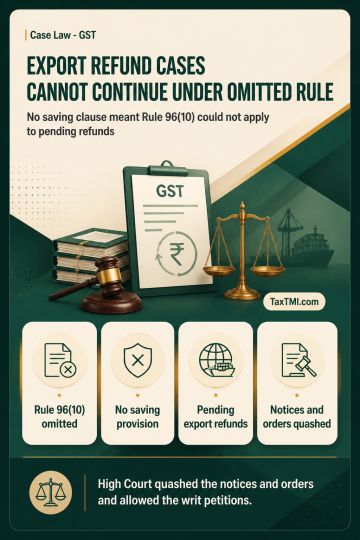
Anti-profiteering obligations survive business demerger, complaint withdrawal, and customized supply arrangements where rate-reduction benefits are no...
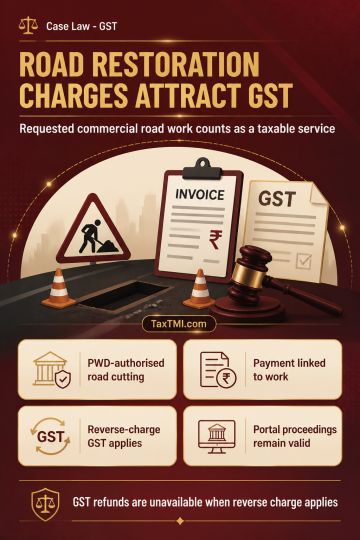
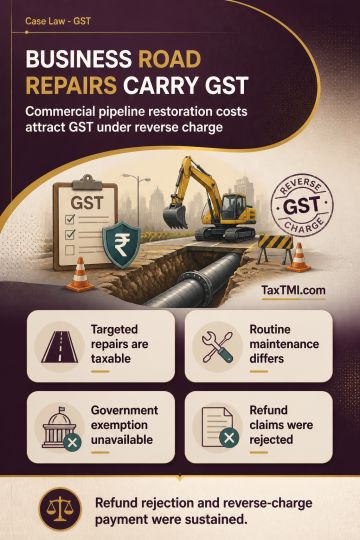
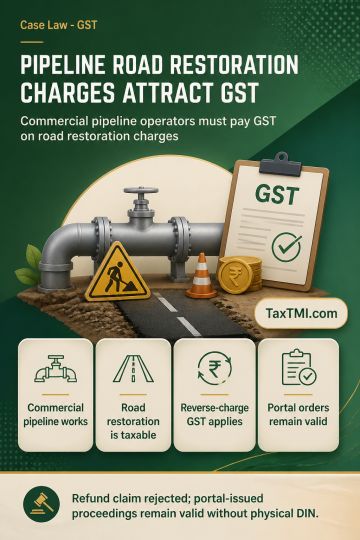
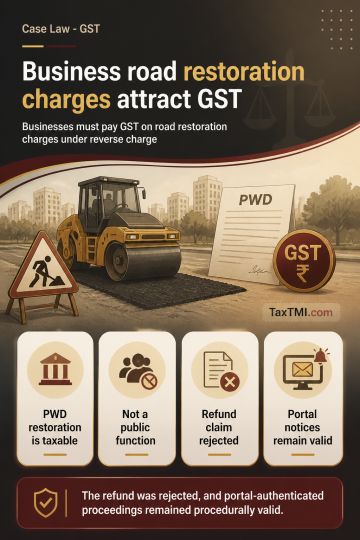
Road restoration charges constitute taxable services when requested for commercial pipeline activity, requiring reverse-charge GST from the business r...
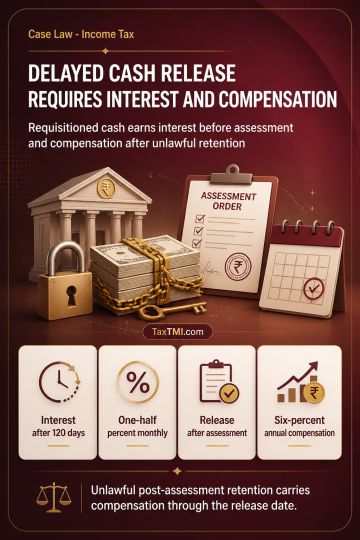
Interest on delayed release of requisitioned cash includes statutory pre-assessment interest and restitutionary compensation for unlawful post-assessm...
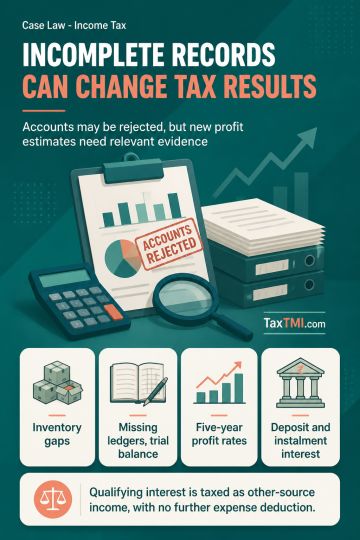
Incomplete inventory records justify rejecting accounts, while profit estimation requires relevant comparable material and interest falls under other ...
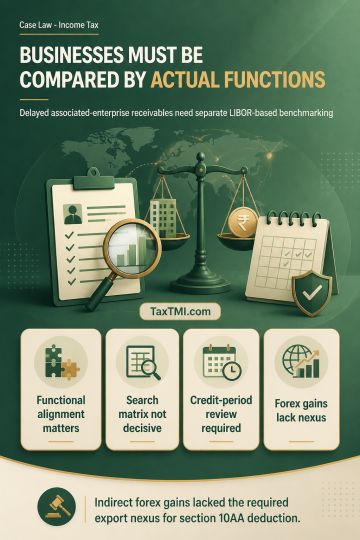
Transfer-pricing comparability requires functional alignment; delayed associated-enterprise receivables need separate LIBOR-based benchmarking, while ...
Insolvency and BankruptcyAugust 23, 2024Notifications
This notification amends the Insolvency and Bankruptcy Board of India (Information Utilities) Regulations, 2017. Key changes include: extending timelines for information utilities to accept/reject information; allowing financial creditors to submit default records for non-corporate debtors; mandating verification of debtor details before issuing default records; introducing provisions for handling disputed default amounts, especially for scheduled banks as financial creditors, by issuing separate authenticated/disputed default records. The amendments aim to enhance efficiency, transparency and dispute resolution mechanisms within the insolvency ecosystem.
This notification amends the Insolvency and Bankruptcy Board of India (Information Utilities) Regulations, 2017. Key changes include: extending timelines for information utilities to accept/reject information; allowing financial creditors to submit default records for non-corporate debtors; mandating verification of debtor details before issuing default records; introducing provisions for handling disputed default amounts, especially for scheduled banks as financial creditors, by issuing separate authenticated/disputed default records. The amendments aim to enhance efficiency, transparency and dispute resolution mechanisms within the insolvency ecosystem.
Note: It is a system-generated summary and is for quick reference only.
 TaxTMI
 TaxTMI

 of 4918