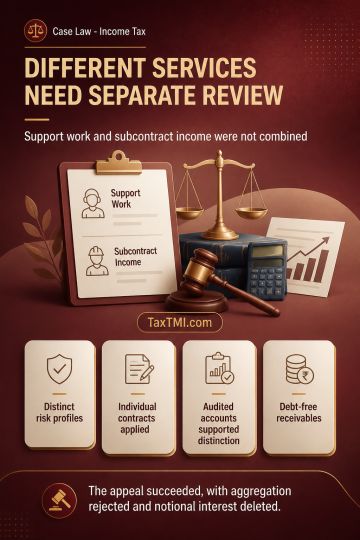
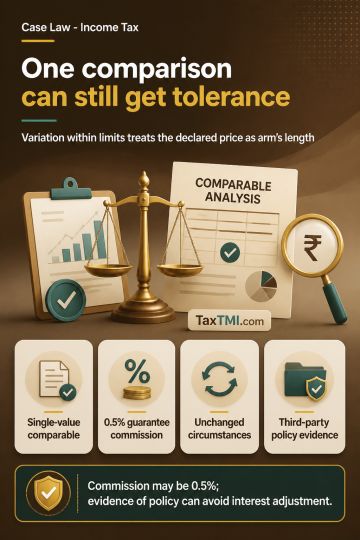
Transfer-pricing aggregation of distinct support-service and subcontract transactions was rejected, while debt-free receivables attracted no notional ...
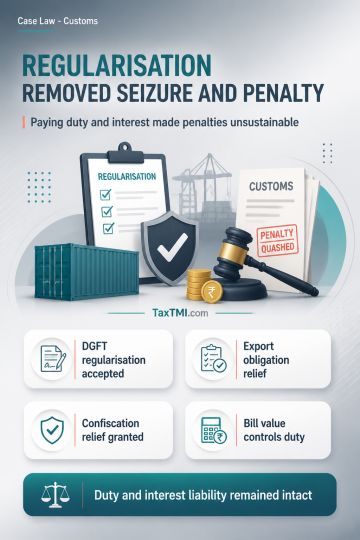
Customs exemptions cover photovoltaic assembly machinery and PVF backsheets, while fully declared cleared imports may avoid confiscation and penalties...
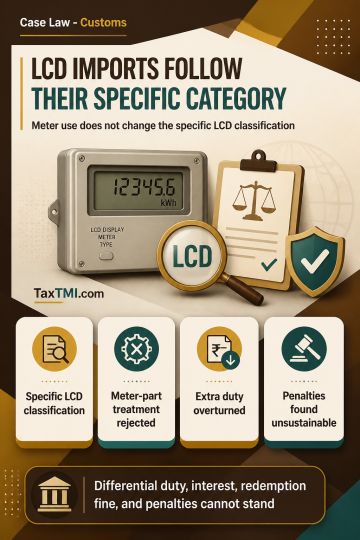
Specific tariff classification for LCD devices overrides treatment as electricity-meter parts, defeating differential duty, extended limitation, and p...
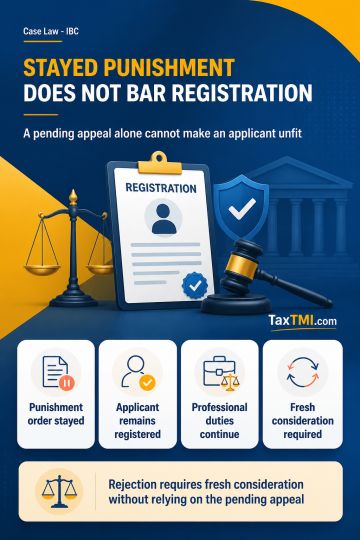
Stayed disciplinary punishment does not establish unfitness for insolvency professional registration; reconsideration must disregard mere pendency of ...
The adhoc exemption order did not restrict the use of floodlights solely for World Cup matches; it aimed to uplift the stadium's infrastructure standards. The department erroneously assumed that World Cup matches were non-commercial, while one-day internationals were commercial. The exemption order made no such distinction. The show cause notice lacked factual or legal basis for alleging a violation of condition (ii). Regarding time limitation, the notice did not allege suppression of facts or intention to evade customs duty. The department issued the notice after collecting documents from the appellant, indicating no suppression. With a lapse of over 7 years, the demand was time-barred as the proviso to Section 28(1) was not applicable. The Appellate Tribunal set aside the impugned order and allowed the appeal.
The adhoc exemption order did not restrict the use of floodlights solely for World Cup matches; it aimed to uplift the stadium's infrastructure standards. The department erroneously assumed that World Cup matches were non-commercial, while one-day internationals were commercial. The exemption order made no such distinction. The show cause notice lacked factual or legal basis for alleging a violation of condition (ii). Regarding time limitation, the notice did not allege suppression of facts or intention to evade customs duty. The department issued the notice after collecting documents from the appellant, indicating no suppression. With a lapse of over 7 years, the demand was time-barred as the proviso to Section 28(1) was not applicable. The Appellate Tribunal set aside the impugned order and allowed the appeal.
Note: It is a system-generated summary and is for quick reference only.
 TaxTMI
  TaxTMI
 of 4891