Human-probability test defeats political donation deduction where banking records mask accommodation-entry fund layering and evidence shows non-genuin...
Commercial property status protects capital-gains exemption when residential-house ownership limits are tested, while agricultural-land character gove...
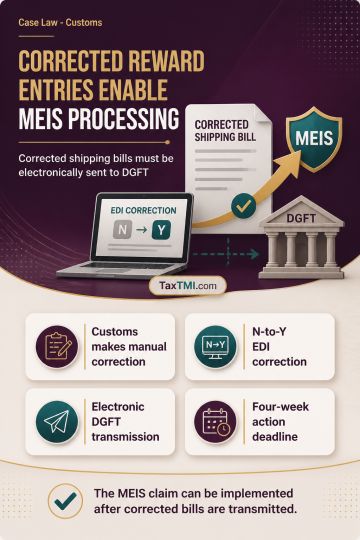
Investigation deposits refunded after failed customs demands fall outside the statutory appellate pre-deposit interest regime and may attract compensa...
Resolution plan finality extinguishes unquantified operational-creditor claims and pending proceedings unless the approved plan expressly preserves th...
Stakeholder-list modification permits liquidators to update entries on new information, subject to notifying the Adjudicating Authority within prescri...
The case involved a dispute regarding the dishonour of cheques, with the key issue being whether the Respondent had a legal obligation to pay back the money under the cheques. The Appellate Court considered the scope of interference in a judgment acquitting the accused and the statutory presumptions u/ss 138 and 139 of the NI Act. The Respondent admitted executing promissory notes and cheques which were later dishonoured. The Court noted that the presumption u/s 139 could be rebutted by the accused with a defense based on a preponderance of probabilities. The Respondent successfully rebutted the presumption by raising doubts about the Petitioner's claims, shifting the burden of proof. The Petitioner failed to discharge this burden, leading to the Respondent's acquittal u/s 138 of the NI Act. The petition seeking leave to appeal was dismissed by the High Court.
The case involved a dispute regarding the dishonour of cheques, with the key issue being whether the Respondent had a legal obligation to pay back the money under the cheques. The Appellate Court considered the scope of interference in a judgment acquitting the accused and the statutory presumptions u/ss 138 and 139 of the NI Act. The Respondent admitted executing promissory notes and cheques which were later dishonoured. The Court noted that the presumption u/s 139 could be rebutted by the accused with a defense based on a preponderance of probabilities. The Respondent successfully rebutted the presumption by raising doubts about the Petitioner's claims, shifting the burden of proof. The Petitioner failed to discharge this burden, leading to the Respondent's acquittal u/s 138 of the NI Act. The petition seeking leave to appeal was dismissed by the High Court.
Note: It is a system-generated summary and is for quick reference only.
 TaxTMI
  TaxTMI
 of 4883