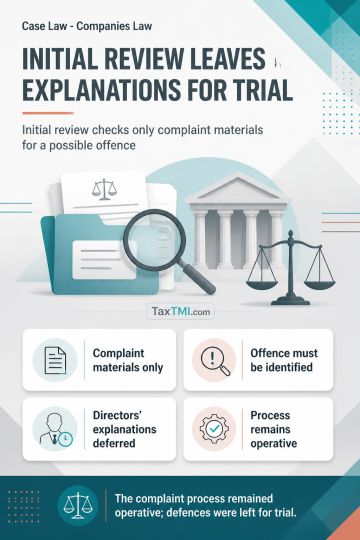
Electronic evidence and search statements in tax assessments require authenticity review and corroboration, while procedural manuals lack statutory fo...
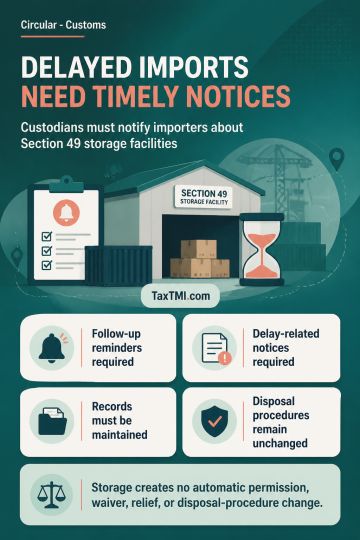
Tariff rate quota authorisations govern preferential imports of specified New Zealand goods through export certification and electronic customs debiti...
Electronic Continuity Bond Registration replaces manual container permissions, with quarterly reporting and re-export monitoring for duty-free contain...
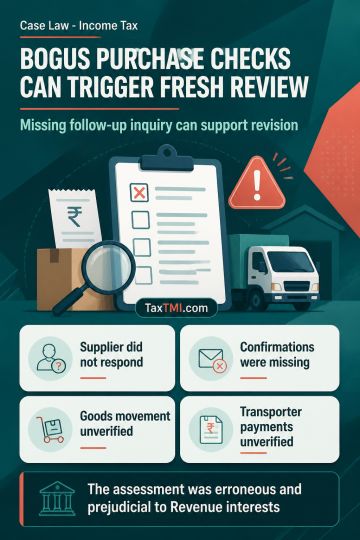
The case involves bogus purchases u/s 69C, with the assessee dealing in bullion. The Gross Profit (GP) rate estimation is crucial. The assessee argued that the GP rate for bullion cannot exceed 0.15%, supported by a demonstrated 0.13% GP rate on sales. It was shown that if purchases are deemed bogus, the GP percentage would unreasonably inflate to 26%. The addition of entire purchases was deemed unsustainable. Even if purchases were from other vendors, the maximum profit margin was held at 0.15%. The Appellate Tribunal directed the Assessing Officer to use a 0.15% GP rate for disputed purchases instead of the 0.13% claimed by the assessee, partly allowing the appeal.
The case involves bogus purchases u/s 69C, with the assessee dealing in bullion. The Gross Profit (GP) rate estimation is crucial. The assessee argued that the GP rate for bullion cannot exceed 0.15%, supported by a demonstrated 0.13% GP rate on sales. It was shown that if purchases are deemed bogus, the GP percentage would unreasonably inflate to 26%. The addition of entire purchases was deemed unsustainable. Even if purchases were from other vendors, the maximum profit margin was held at 0.15%. The Appellate Tribunal directed the Assessing Officer to use a 0.15% GP rate for disputed purchases instead of the 0.13% claimed by the assessee, partly allowing the appeal.
Note: It is a system-generated summary and is for quick reference only.
 TaxTMI
 TaxTMI

 of 4921