Customs exemptions cover photovoltaic assembly machinery and PVF backsheets, while fully declared cleared imports may avoid confiscation and penalties...
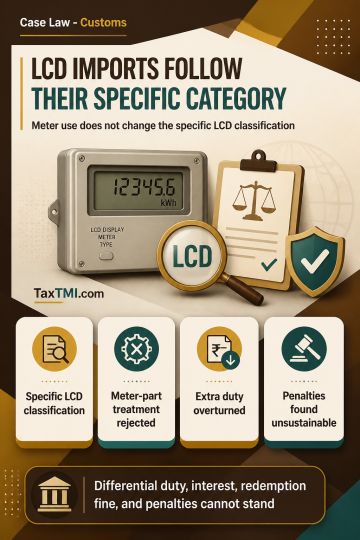
Specific tariff classification for LCD devices overrides treatment as electricity-meter parts, defeating differential duty, extended limitation, and p...
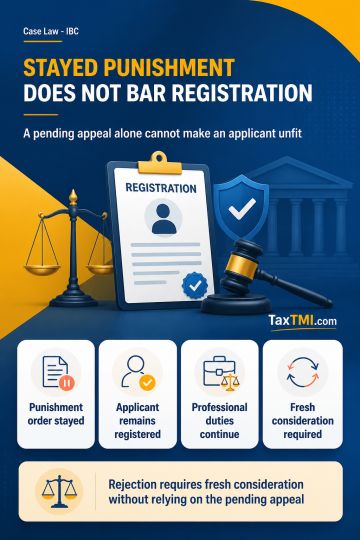
Stayed disciplinary punishment does not establish unfitness for insolvency professional registration; reconsideration must disregard mere pendency of ...
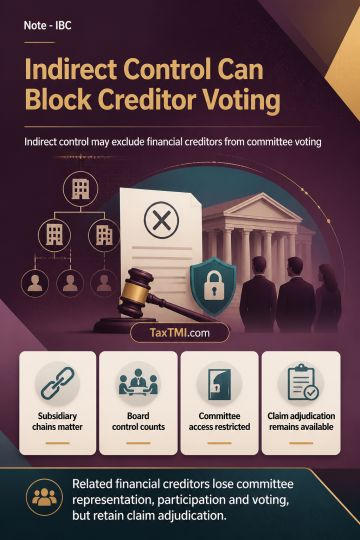
Indirect corporate control can create related-party status, excluding financial creditors from Committee of Creditors representation, participation an...
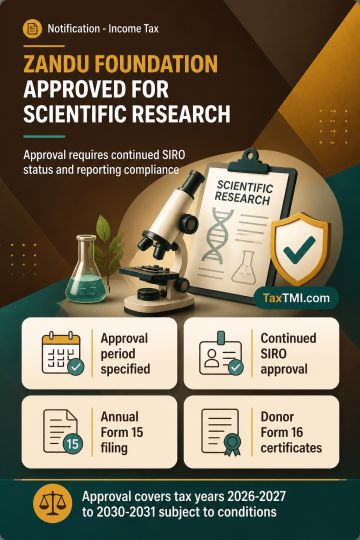
Scientific research association approval requires continuing SIRO status, annual donation reporting, and donor certificates for the approved foundatio...
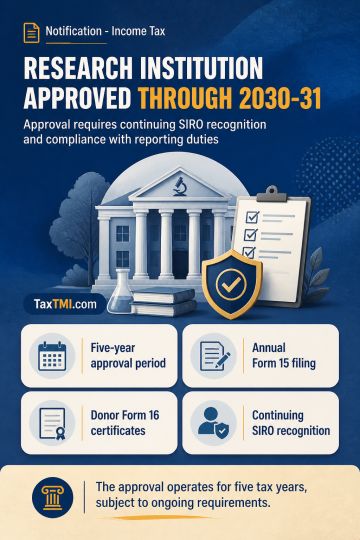
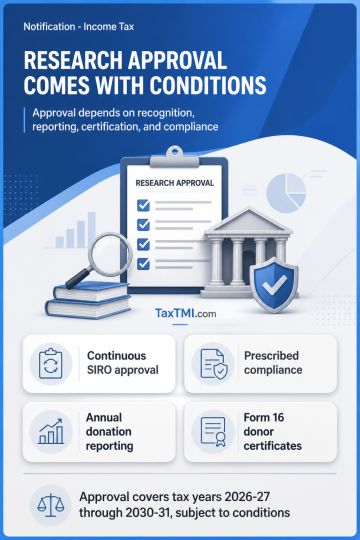
Scientific research institution approval is conditional on SIRO recognition, annual donation reporting, donor certification, and prescribed compliance...
The validity of an order passed by the Interim Board of Settlement was questioned following the abolishment of the Settlement Commission by the Finance Act, 2021. The issue revolved around the eligibility conditions concerning the extended cut-off date for filing an application u/s 245C. A High Court decision highlighted that the CBDT's notification, imposing additional conditions for eligibility, exceeded its powers u/s 119 of the Act. Consequently, the condition in the impugned notification was deemed invalid and unlawful. The Court ruled that the petitioner was indeed eligible to make an application, rendering the rejection of their application by the Interim Board of Settlement as illegal. The petitioner's settlement application should have been considered in accordance with the law.
The validity of an order passed by the Interim Board of Settlement was questioned following the abolishment of the Settlement Commission by the Finance Act, 2021. The issue revolved around the eligibility conditions concerning the extended cut-off date for filing an application u/s 245C. A High Court decision highlighted that the CBDT's notification, imposing additional conditions for eligibility, exceeded its powers u/s 119 of the Act. Consequently, the condition in the impugned notification was deemed invalid and unlawful. The Court ruled that the petitioner was indeed eligible to make an application, rendering the rejection of their application by the Interim Board of Settlement as illegal. The petitioner's settlement application should have been considered in accordance with the law.
Note: It is a system-generated summary and is for quick reference only.
 TaxTMI
  TaxTMI
 of 4879