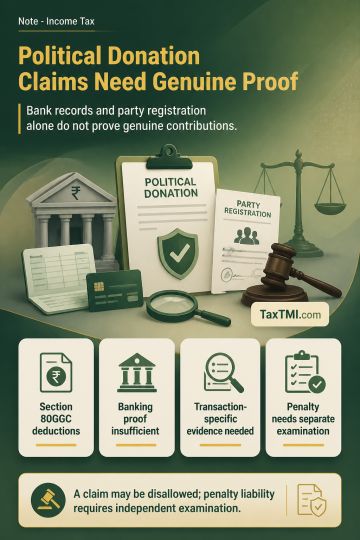
Political contribution deductions require genuine transactions; banking records and party registration alone cannot defeat evidence of accommodation e...
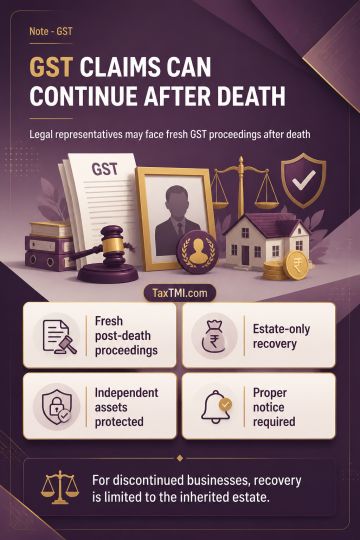
Post-death GST liability permits fresh proceedings against legal representatives, while discontinued-business recovery remains limited to the inherite...
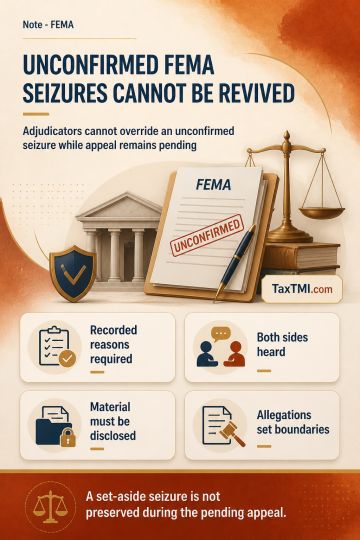
Non-confirmation of FEMA seizure prevents adjudicators from overriding pending appellate findings on recorded reasons and suspected foreign asset hold...
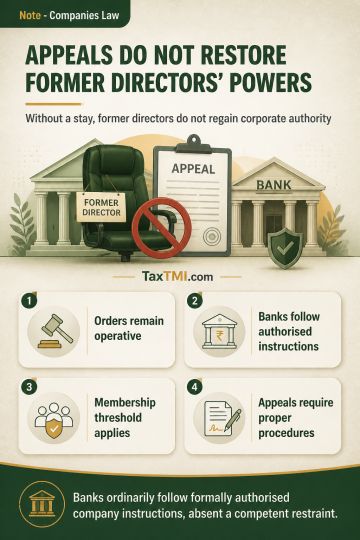
The court held that the Registrar of Companies (ROC) had the power to strike off the name of a company from the Register u/s 560(1)(6) of the old Companies Act, 1956, which is pari materia with Section 248 of the new Companies Act, 2013. The provisions under the old and new Acts are consistent, with the new Act providing a more detailed procedure for striking off and an effective remedy for dealing with deregistration of non-operational companies. The registers maintained under the old Act are deemed to be maintained under the new Act. The petitioner's remedy lies with the National Company Law Tribunal under Chapter XXVII of the Companies Act, 2013. Therefore, the application was dismissed.
The court held that the Registrar of Companies (ROC) had the power to strike off the name of a company from the Register u/s 560(1)(6) of the old Companies Act, 1956, which is pari materia with Section 248 of the new Companies Act, 2013. The provisions under the old and new Acts are consistent, with the new Act providing a more detailed procedure for striking off and an effective remedy for dealing with deregistration of non-operational companies. The registers maintained under the old Act are deemed to be maintained under the new Act. The petitioner's remedy lies with the National Company Law Tribunal under Chapter XXVII of the Companies Act, 2013. Therefore, the application was dismissed.
Note: It is a system-generated summary and is for quick reference only.
 TaxTMI
  TaxTMI
 of 4918