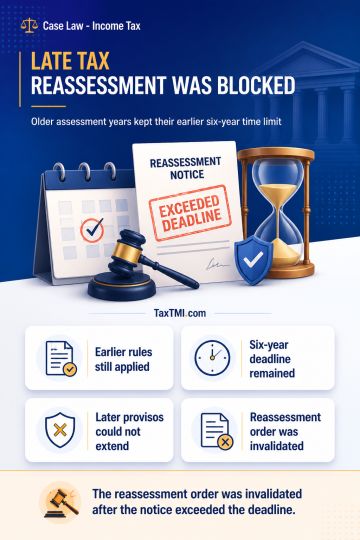
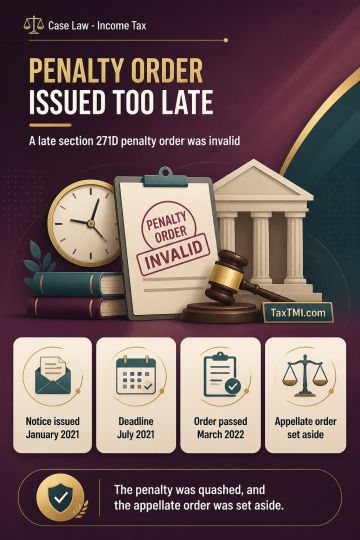
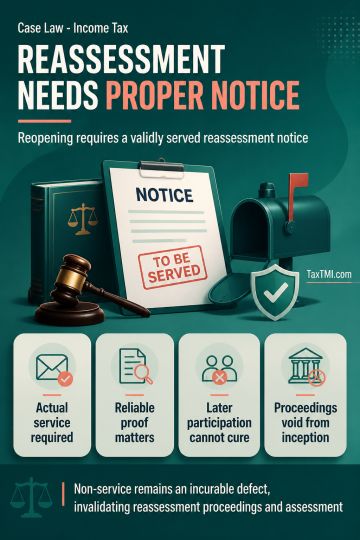
Pre-amendment reassessment limitation bars late notices under the preserved regime, invalidating consequential reassessment for affected earlier asses...
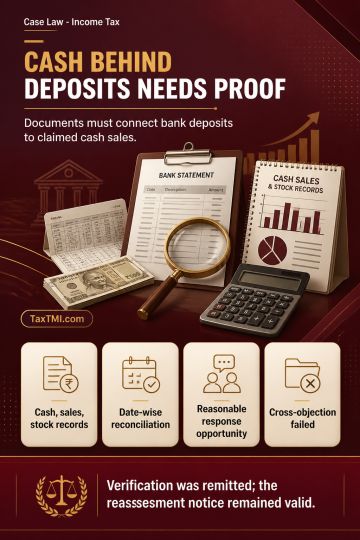
Cash-sales explanations for bank deposits require documentary reconciliation; reassessment notice survived where effective response time was available...
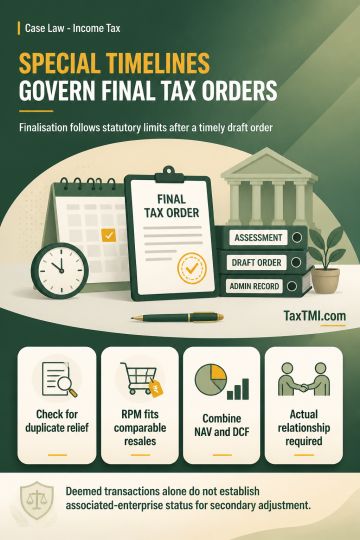
Functional comparability in transfer pricing prevents ad hoc arm's length adjustments where functions, assets, risks and reliable comparables are unes...
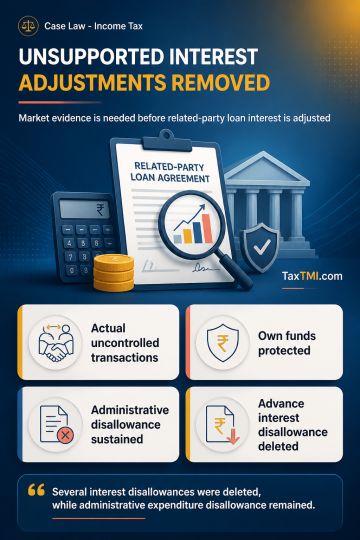
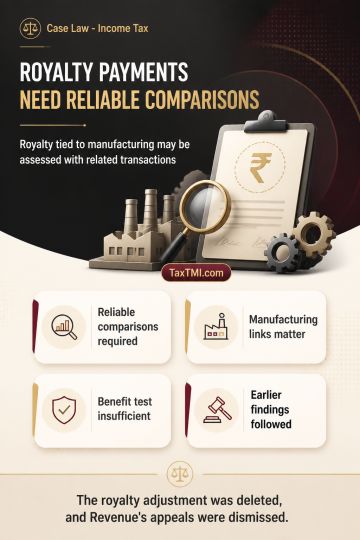
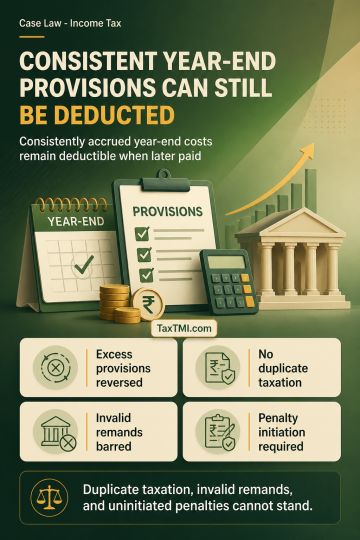
Contingency expenses, exempt-income disallowance, and royalty benchmarking: unsupported adjustments were deleted under consistent accounting and trans...
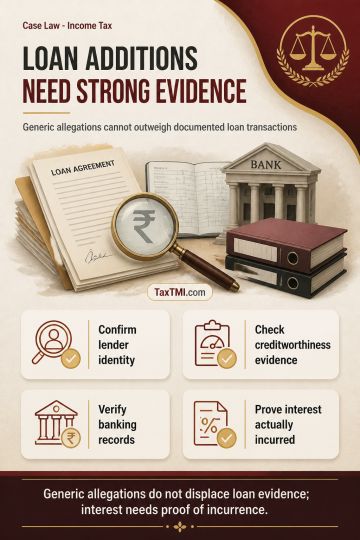
Disallowance of financial expenses in proportion to purchase from bogus companies was challenged. The assessing officer disallowed expenditure to the extent of paper transactions not backed by actual business. The CIT(A) disallowed losses on circular transactions as artificial and managed but allowed financial charges incurred for business purposes. The assessee pleaded that funds were required for working capital, but in paper transactions, there is no capital requirement as there was no actual purchase or sale. The assessee adopted the route of circular trading to raise higher finance from banks. The discounting charges on letters of credit paid to banks were genuine. The funds raised were used to augment working capital for delivery-based business. There was no diversion of funds. The funds from discounted letters of credit were used for business and allowable u/s 36(1)(iii). No ground to interfere with CIT(A)'s conclusions. The Revenue's ground was dismissed.
Disallowance of financial expenses in proportion to purchase from bogus companies was challenged. The assessing officer disallowed expenditure to the extent of paper transactions not backed by actual business. The CIT(A) disallowed losses on circular transactions as artificial and managed but allowed financial charges incurred for business purposes. The assessee pleaded that funds were required for working capital, but in paper transactions, there is no capital requirement as there was no actual purchase or sale. The assessee adopted the route of circular trading to raise higher finance from banks. The discounting charges on letters of credit paid to banks were genuine. The funds raised were used to augment working capital for delivery-based business. There was no diversion of funds. The funds from discounted letters of credit were used for business and allowable u/s 36(1)(iii). No ground to interfere with CIT(A)'s conclusions. The Revenue's ground was dismissed.
Note: It is a system-generated summary and is for quick reference only.
 TaxTMI
 TaxTMI

 of 4921