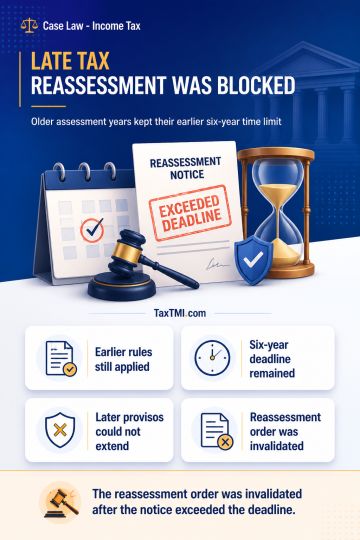
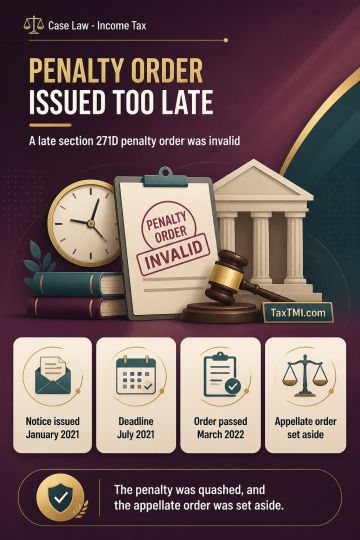
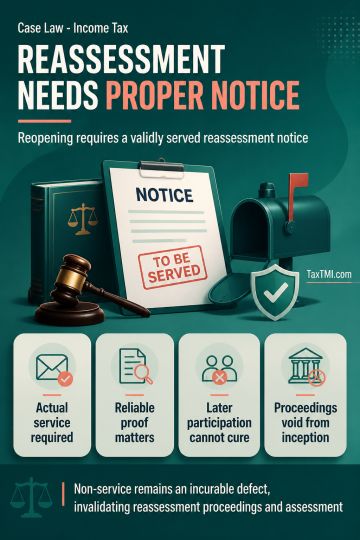
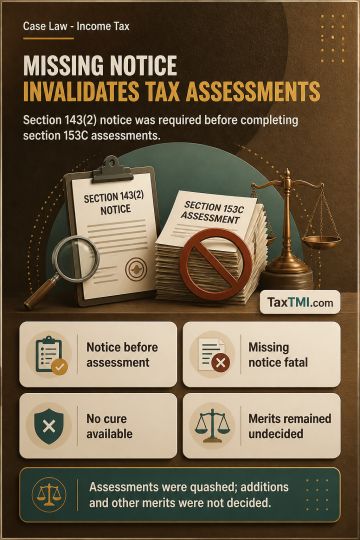
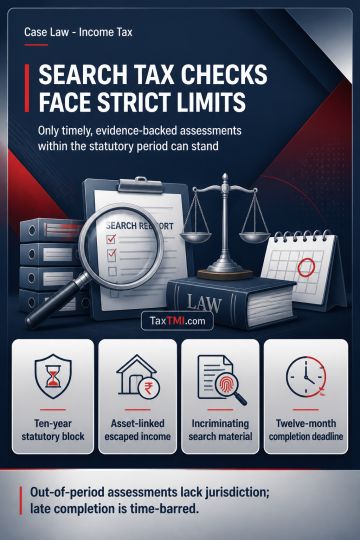
Pre-amendment reassessment limitation bars late notices under the preserved regime, invalidating consequential reassessment for affected earlier asses...
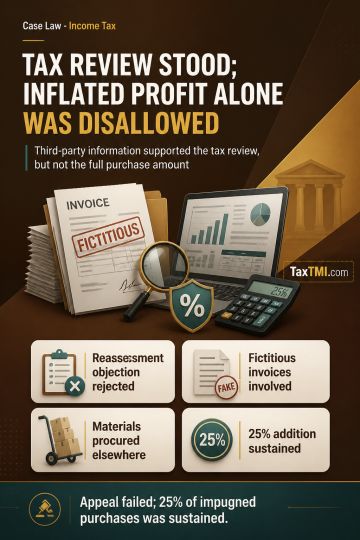
Cash-sales explanations for bank deposits require documentary reconciliation; reassessment notice survived where effective response time was available...
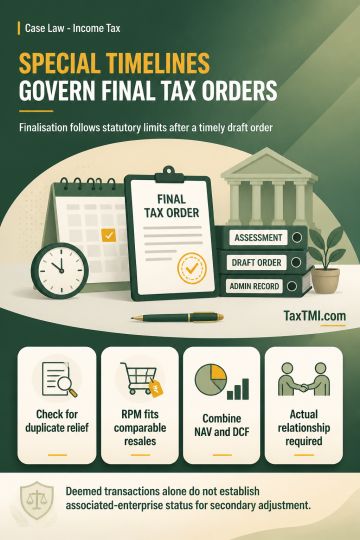
Functional comparability in transfer pricing prevents ad hoc arm's length adjustments where functions, assets, risks and reliable comparables are unes...
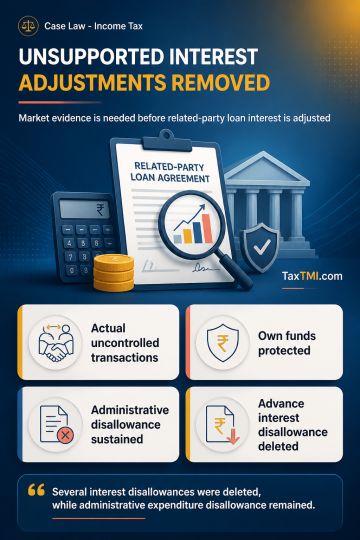
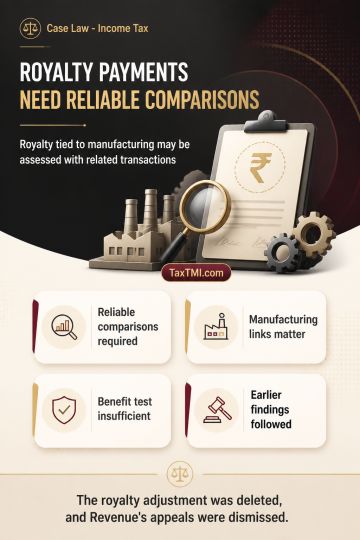
Contingency expenses, exempt-income disallowance, and royalty benchmarking: unsupported adjustments were deleted under consistent accounting and trans...
Page of 4920
Press 'Enter' after typing page number.
61 to 80 of 98394 Results
❮
❯
❯❯
0 / 200
Expand Note
Add to Folder
No Folders have been created
+
Are you sure you want to delete "My most important" ?
The High Court addressed the issue of criminal liability in a...
High Court clarifies: Individuals in charge of company can be held liable in cheque dishonor cases. Legal responsibility upheld u/ss 138 and 141 of NI Act.
Contents
Summary
Note
Bookmark
Share
✓ Copied successfully !
Print
Print Options
For full text, please login
Login to TaxTMI
Verification Pending
The Email Id has not been verified. Click on the link we have sent on
The High Court addressed the issue of criminal liability in a cheque dishonor case involving a company. The complainant failed to specify the authorized signatory or the person in charge of daily affairs. Referring to a Supreme Court ruling, it was established that individuals responsible for a company's affairs can be summoned and penalized u/s 138 with Section 141 of NI Act. The complainant asserted that the accused were fully responsible for the company's operations, shifting the burden to the accused to prove any restrictions on their powers. The court found no flaws in summoning the accused, dismissing the petition.
The High Court addressed the issue of criminal liability in a cheque dishonor case involving a company. The complainant failed to specify the authorized signatory or the person in charge of daily affairs. Referring to a Supreme Court ruling, it was established that individuals responsible for a company's affairs can be summoned and penalized u/s 138 with Section 141 of NI Act. The complainant asserted that the accused were fully responsible for the company's operations, shifting the burden to the accused to prove any restrictions on their powers. The court found no flaws in summoning the accused, dismissing the petition.
Note: It is a system-generated summary and is for quick reference only.
 TaxTMI
 TaxTMI

 of 4920