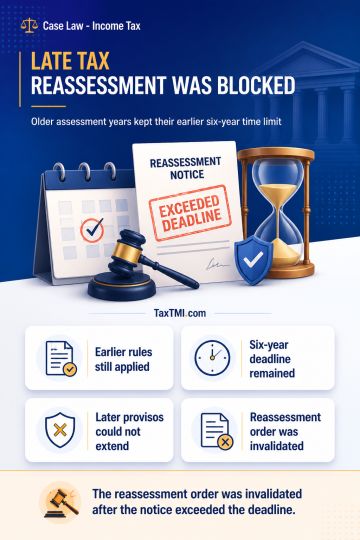
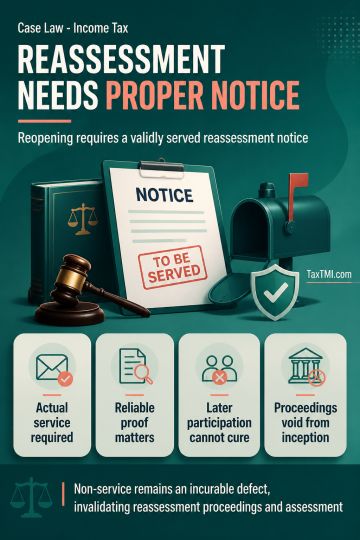
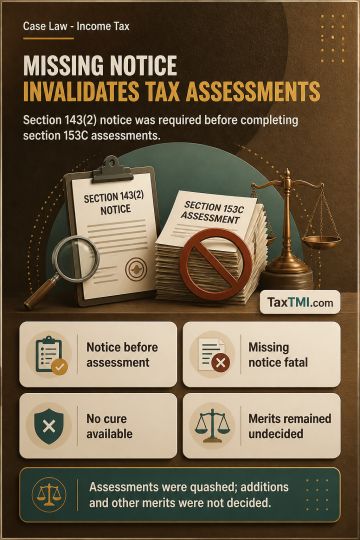
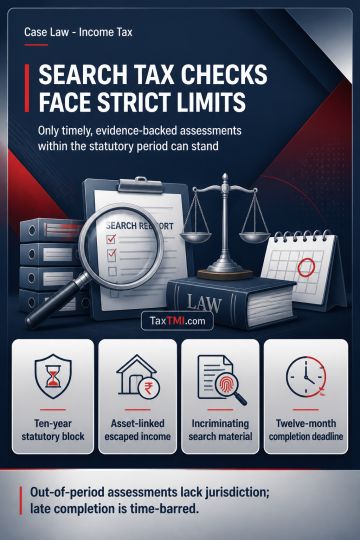
Pre-amendment reassessment limitation bars late notices under the preserved regime, invalidating consequential reassessment for affected earlier asses...
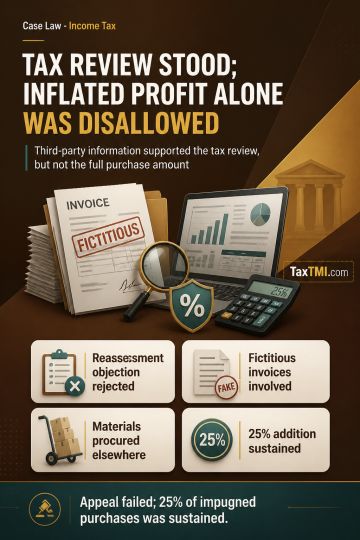
Cash-sales explanations for bank deposits require documentary reconciliation; reassessment notice survived where effective response time was available...
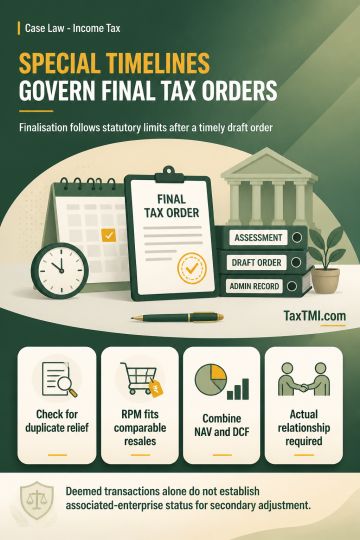
Functional comparability in transfer pricing prevents ad hoc arm's length adjustments where functions, assets, risks and reliable comparables are unes...
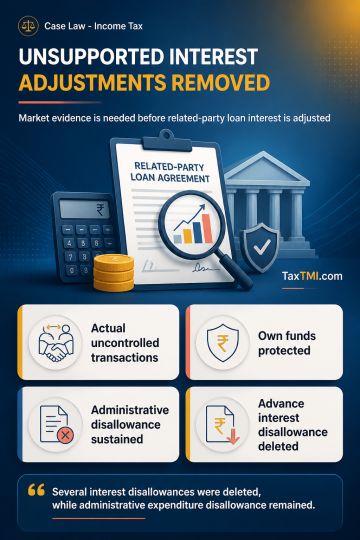
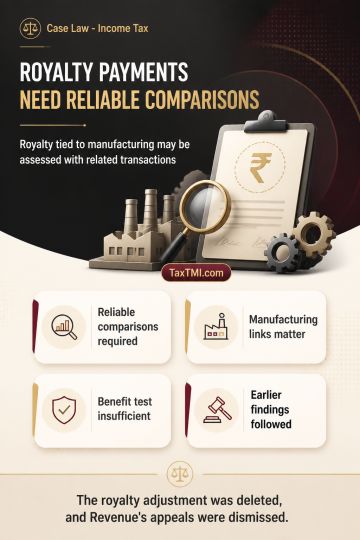
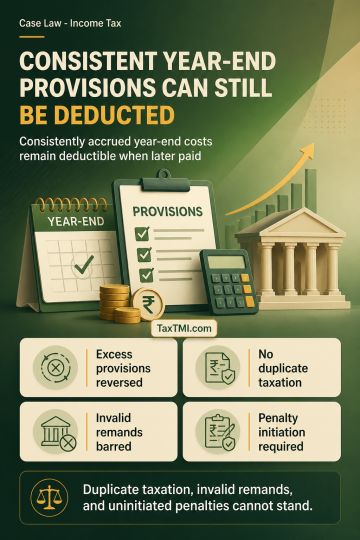
Contingency expenses, exempt-income disallowance, and royalty benchmarking: unsupported adjustments were deleted under consistent accounting and trans...
The High Court examined the validity of reassessment proceedings regarding the treatment of certain expenditures as capital expenditure. The Court found that the Assessing Officer had already perused the books of accounts and formed a view that the expenses were revenue in nature, not capital. The Court also noted that during the initial assessment, the Assessing Officer independently analyzed the relevant materials provided by the petitioner. The Court highlighted that the reasons for reopening the case were based on the Audit Party's objections and not new facts. It emphasized that a change of opinion cannot be a valid reason for reassessment. Ultimately, the Court concluded that the reassessment was an attempt to revive an issue already addressed in the original assessment, rendering it unjustified.
The High Court examined the validity of reassessment proceedings regarding the treatment of certain expenditures as capital expenditure. The Court found that the Assessing Officer had already perused the books of accounts and formed a view that the expenses were revenue in nature, not capital. The Court also noted that during the initial assessment, the Assessing Officer independently analyzed the relevant materials provided by the petitioner. The Court highlighted that the reasons for reopening the case were based on the Audit Party's objections and not new facts. It emphasized that a change of opinion cannot be a valid reason for reassessment. Ultimately, the Court concluded that the reassessment was an attempt to revive an issue already addressed in the original assessment, rendering it unjustified.
Note: It is a system-generated summary and is for quick reference only.
 TaxTMI
 TaxTMI

 of 4918