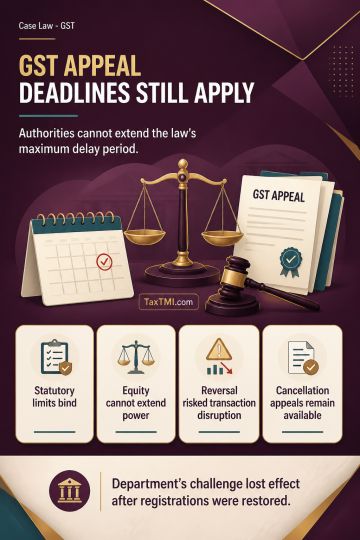
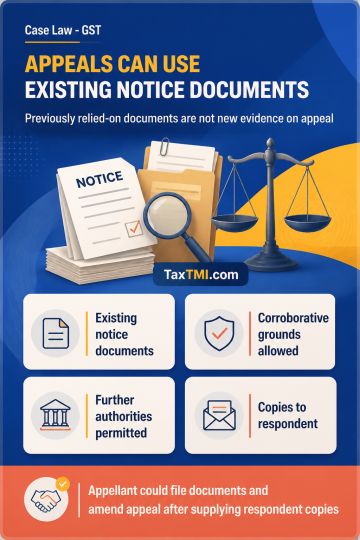
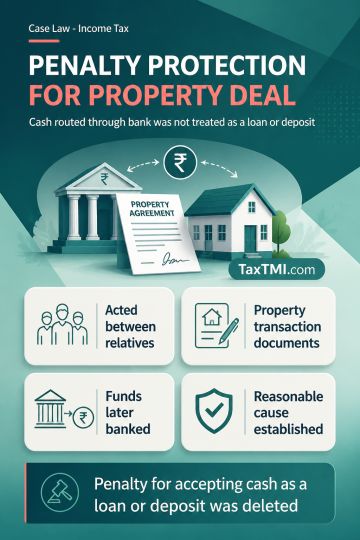
Additional evidence in departmental appeals may include show-cause-notice material without introducing a new case where it merely corroborates existin...
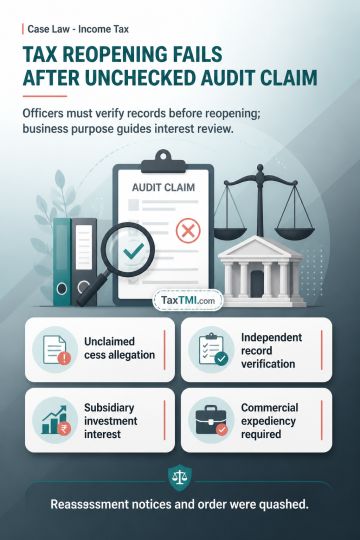
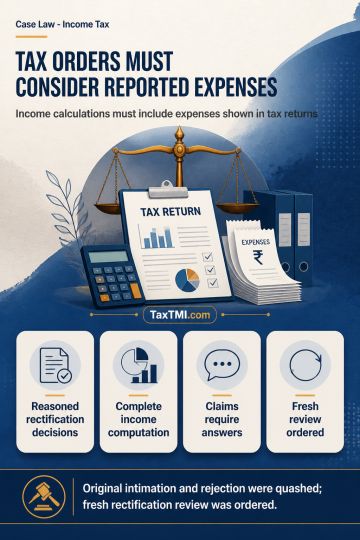
Reasoned rectification orders require consideration of expenditure disclosed in income-tax returns, preventing revision based on incomplete income com...
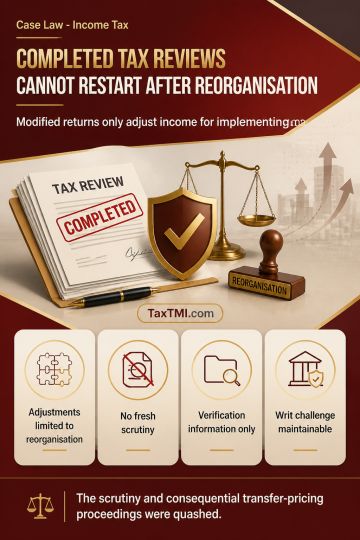
Modified returns after business reorganisations cannot trigger fresh scrutiny once the original assessment was complete, invalidating related transfer...
Third-party loose sheets require reliable nexus before supporting unexplained expenditure additions; presumptions do not establish payer identity or o...
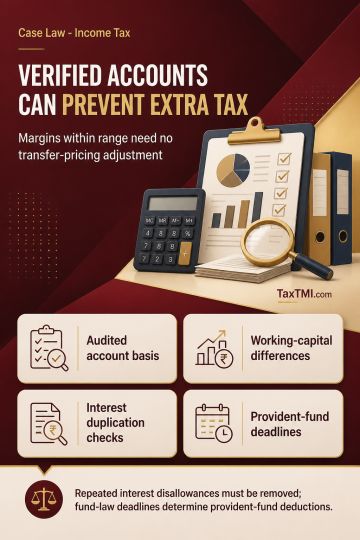
TNMM comparability using audited accounts and working-capital adjustments can eliminate unwarranted transfer-pricing additions where verified margins ...
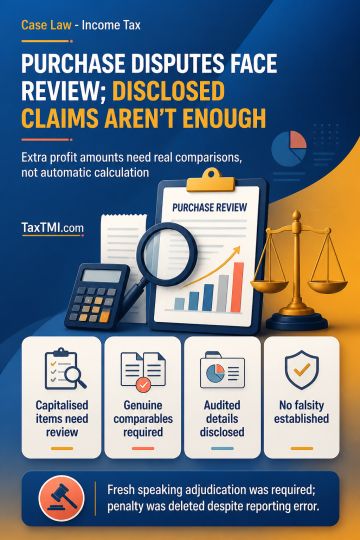
Gross-profit additions on disputed purchases require reasoned appellate determination; disclosed claims alone do not support inaccurate-particulars pe...
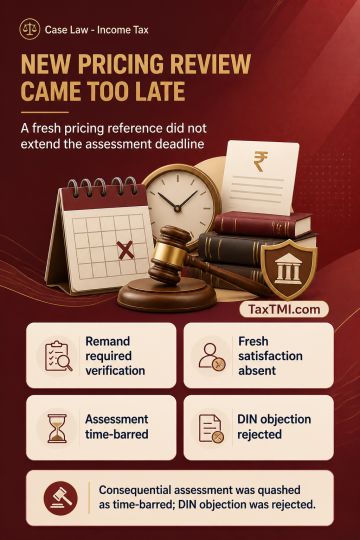
Limitation after transfer-pricing remand: fresh TPO reference did not extend the assessment deadline, rendering the consequential assessment time-barr...
Interim judicial restraint on tax deduction prevents default, while supporting reasonable cause and penalty deletion for foreign-leg LFC reimbursement...
The High Court considered the issue of Leave Encashment exemption u/s 10AA and the retrospective review of income limit for taxing earned leave salary. The petitioners, retired before the latest notification setting the upper limit at Rs. 25 lakhs, sought relief as their earned leave income exceeded Rs. 3 lakhs. The Court acknowledged the limitation on its power and the separation of powers doctrine, stating it cannot mandate the revision of the upper limit with retrospective effect. While sympathetic, the Court emphasized that such policy decisions fall within the Executive's domain. The writ petitions were disposed of, allowing petitioners to approach the Government for relief, with the Government having the discretion to decide on their representations. Any pending interlocutory applications were dismissed.
The High Court considered the issue of Leave Encashment exemption u/s 10AA and the retrospective review of income limit for taxing earned leave salary. The petitioners, retired before the latest notification setting the upper limit at Rs. 25 lakhs, sought relief as their earned leave income exceeded Rs. 3 lakhs. The Court acknowledged the limitation on its power and the separation of powers doctrine, stating it cannot mandate the revision of the upper limit with retrospective effect. While sympathetic, the Court emphasized that such policy decisions fall within the Executive's domain. The writ petitions were disposed of, allowing petitioners to approach the Government for relief, with the Government having the discretion to decide on their representations. Any pending interlocutory applications were dismissed.
Note: It is a system-generated summary and is for quick reference only.
 TaxTMI
  TaxTMI
 of 4894