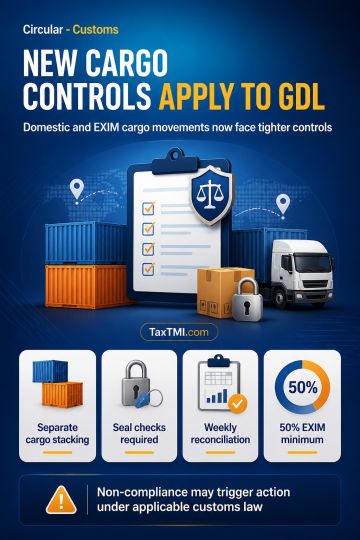
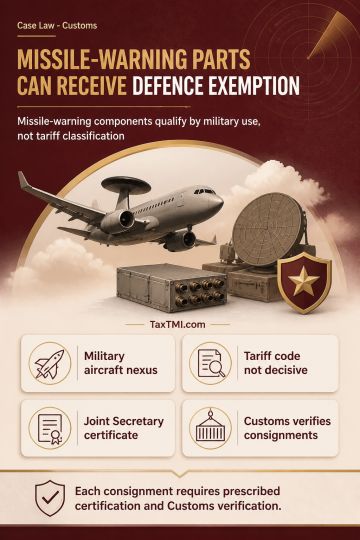
Customs-controlled cargo movement now includes GDL, subject to EXIM prioritisation, segregation, verification, reconciliation and enforcement safeguar...
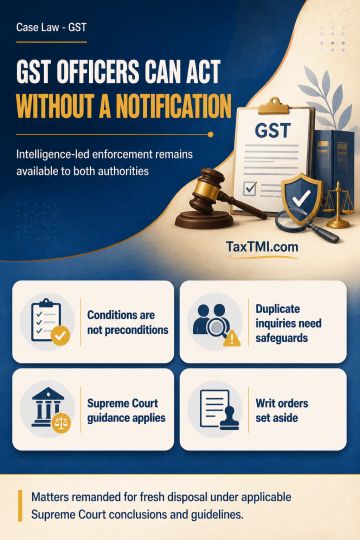
GST cross-empowerment remains effective without conditional notification, while duplicate proceedings require established safeguards against overlappi...
The High Court addressed the issue of invoking the extended period of limitation for non-payment of service tax. The Court held that the Tribunal's finding of no documentary evidence indicating the service rendered was erroneous. It emphasized that two units of a company cannot be treated as separate entities for service tax purposes. The Court cited legal precedent to support that a company is a single entity under the law, and divisions/branches cannot be considered distinct legal entities. The Court also noted that the Tribunal's decision contradicted established legal principles regarding service tax credit and the relationship between units of the same company. Ultimately, the Department's appeal was rejected, and the Tribunal's order was deemed unsustainable and contrary to the law. The appeal of the Revenue was dismissed.
The High Court addressed the issue of invoking the extended period of limitation for non-payment of service tax. The Court held that the Tribunal's finding of no documentary evidence indicating the service rendered was erroneous. It emphasized that two units of a company cannot be treated as separate entities for service tax purposes. The Court cited legal precedent to support that a company is a single entity under the law, and divisions/branches cannot be considered distinct legal entities. The Court also noted that the Tribunal's decision contradicted established legal principles regarding service tax credit and the relationship between units of the same company. Ultimately, the Department's appeal was rejected, and the Tribunal's order was deemed unsustainable and contrary to the law. The appeal of the Revenue was dismissed.
Note: It is a system-generated summary and is for quick reference only.
 TaxTMI
  TaxTMI
 of 4879