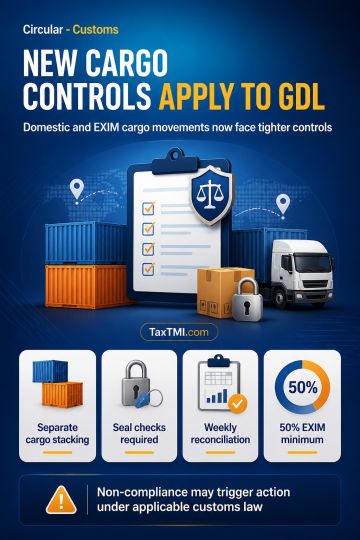
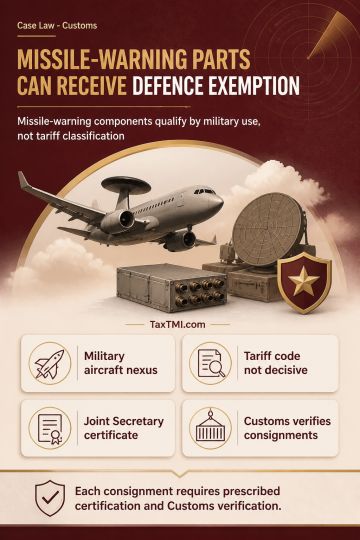
Customs-controlled cargo movement now includes GDL, subject to EXIM prioritisation, segregation, verification, reconciliation and enforcement safeguar...
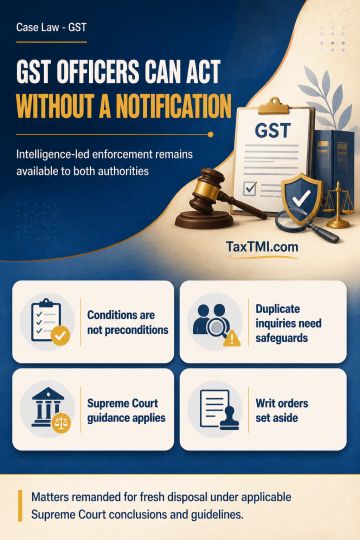
GST cross-empowerment remains effective without conditional notification, while duplicate proceedings require established safeguards against overlappi...
CESTAT, an Appellate Tribunal, addressed the valuation of services in a case involving transport/insurance charges received by the Appellant for the erection and installation of transmission towers. The Tribunal held that the separate consideration for installation and transportation/insurance charges indicated distinct and independent activities under the service contract. Referring to a precedent, it emphasized that services should not be classified as a single composite service if they are distinct and independent. The Tribunal also rejected the extended period of limitation, noting that the allegation of suppression of facts was incorrect. Consequently, the demand for service tax was deemed legally unsustainable, and the impugned order was set aside, allowing the appeal.
CESTAT, an Appellate Tribunal, addressed the valuation of services in a case involving transport/insurance charges received by the Appellant for the erection and installation of transmission towers. The Tribunal held that the separate consideration for installation and transportation/insurance charges indicated distinct and independent activities under the service contract. Referring to a precedent, it emphasized that services should not be classified as a single composite service if they are distinct and independent. The Tribunal also rejected the extended period of limitation, noting that the allegation of suppression of facts was incorrect. Consequently, the demand for service tax was deemed legally unsustainable, and the impugned order was set aside, allowing the appeal.
Note: It is a system-generated summary and is for quick reference only.
 TaxTMI
  TaxTMI
 of 4879