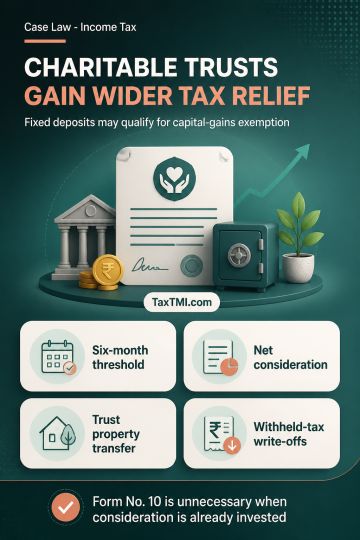
Capital-gains exemption for charitable trusts extends to qualifying fixed deposits, while unrecoverable TDS write-offs may constitute income applicati...
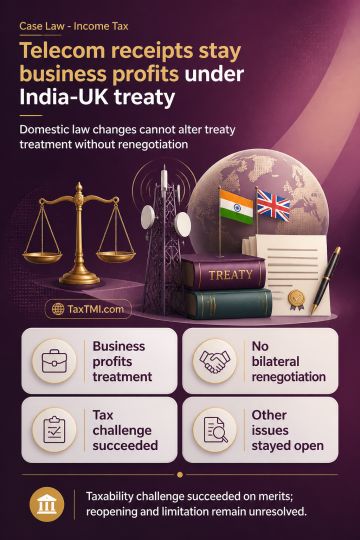
India-UK treaty characterisation of telecom-service receipts as business profits withstands unilateral domestic-law amendments for Indian tax purposes...
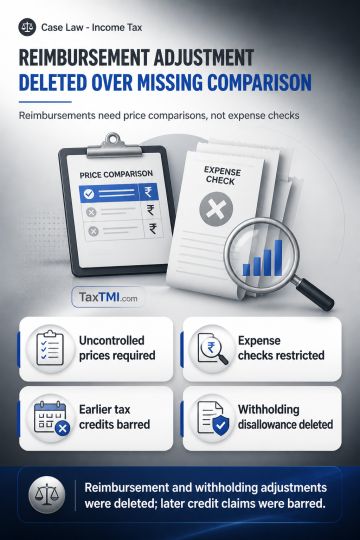
Transfer-pricing reimbursement adjustments require uncontrolled comparables and cannot become expense-genuineness reviews, resulting in deletion of th...
The High Court considered whether dishonored cheques were given for a legally enforceable debt. The appellant failed to prove the existence of a default by the respondents or that the cheques were for a valid debt. Without meeting the burden u/s 138, the appellant couldn't rely on u/s 139 presumption. The appellant must provide detailed account statements to establish a legally enforceable debt for a successful u/s 138 case. The respondents disputed the debt amount and claimed misuse of security cheques. Without proper evidence, the dishonor of cheques doesn't trigger u/s 138. The court upheld lower courts' decisions as the appellant failed to provide sufficient evidence. The appeal was dismissed.
The High Court considered whether dishonored cheques were given for a legally enforceable debt. The appellant failed to prove the existence of a default by the respondents or that the cheques were for a valid debt. Without meeting the burden u/s 138, the appellant couldn't rely on u/s 139 presumption. The appellant must provide detailed account statements to establish a legally enforceable debt for a successful u/s 138 case. The respondents disputed the debt amount and claimed misuse of security cheques. Without proper evidence, the dishonor of cheques doesn't trigger u/s 138. The court upheld lower courts' decisions as the appellant failed to provide sufficient evidence. The appeal was dismissed.
Note: It is a system-generated summary and is for quick reference only.
 TaxTMI
  TaxTMI
 of 4883