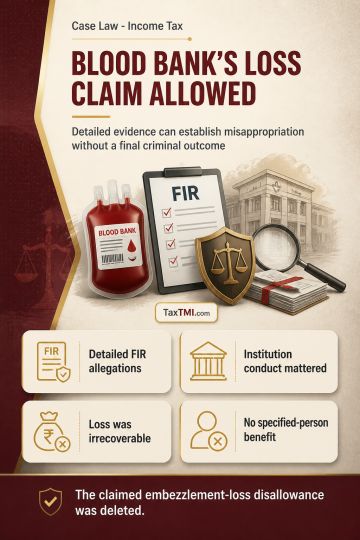
Embezzlement losses in charitable institutions remain allowable when misappropriation is established, irrecoverable, and not a specified-person benefi...
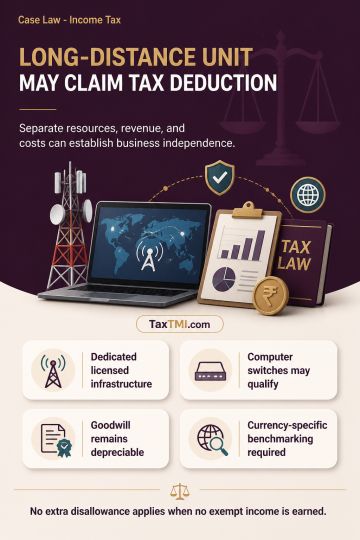
National long-distance undertaking status supports deduction where separately licensed infrastructure, resources, revenue, and expenditure establish c...
Agency reimbursement income follows contractual deposit-liability computation, while pending deposit collections do not constitute deemed-dividend loa...
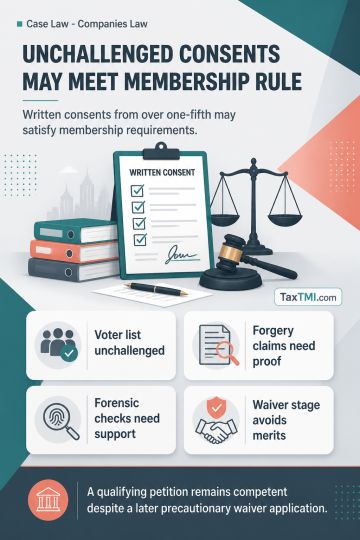
Membership-consent thresholds for oppression petitions are satisfied by unchallenged voter-list consents, while unsupported forgery claims require pro...
The High Court analyzed evidence in a case involving dishonored cheques. The court emphasized the need to rebut the presumption u/s 139 of the Negotiable Instruments Act. The petitioner failed to prove the origin of the loan amount and the purpose of issuing the cheques. The respondent successfully demonstrated that the cheques were not for a legally enforceable debt. As a result, the petitioner's appeal was deemed futile, and the court upheld the lower court's decision, dismissing the petition. The High Court clarified its authority to reevaluate evidence but stressed the need for a justifiable basis for interference with trial court decisions.
The High Court analyzed evidence in a case involving dishonored cheques. The court emphasized the need to rebut the presumption u/s 139 of the Negotiable Instruments Act. The petitioner failed to prove the origin of the loan amount and the purpose of issuing the cheques. The respondent successfully demonstrated that the cheques were not for a legally enforceable debt. As a result, the petitioner's appeal was deemed futile, and the court upheld the lower court's decision, dismissing the petition. The High Court clarified its authority to reevaluate evidence but stressed the need for a justifiable basis for interference with trial court decisions.
Note: It is a system-generated summary and is for quick reference only.
 TaxTMI
  TaxTMI
 of 4881