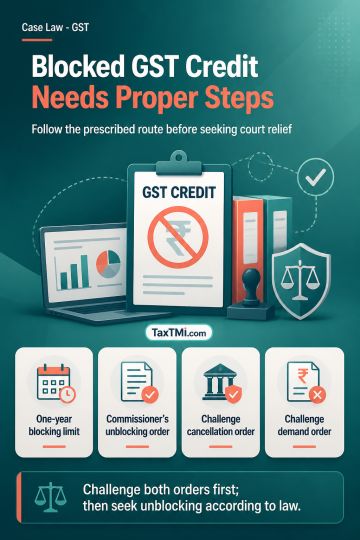
Blocked input tax credit for resort construction remains unavailable; interest follows actual utilisation, while delayed payment attracts statutory pe...
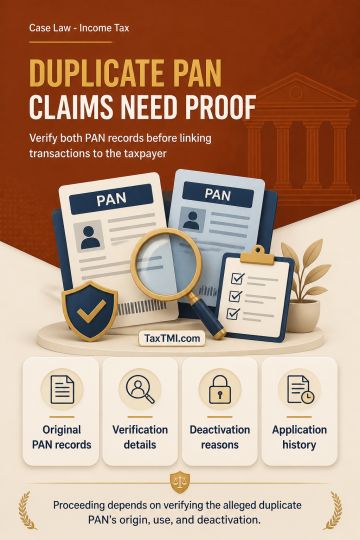
Duplicate PAN allocation requires record verification and deactivation reasons before assessment-related transactions can be attributed to an assessee...
Faceless assessment safeguards require requested personal hearings and adequate final show-cause response time, failing which reassessment is required...
The High Court analyzed evidence in a case involving dishonored cheques. The court emphasized the need to rebut the presumption u/s 139 of the Negotiable Instruments Act. The petitioner failed to prove the origin of the loan amount and the purpose of issuing the cheques. The respondent successfully demonstrated that the cheques were not for a legally enforceable debt. As a result, the petitioner's appeal was deemed futile, and the court upheld the lower court's decision, dismissing the petition. The High Court clarified its authority to reevaluate evidence but stressed the need for a justifiable basis for interference with trial court decisions.
The High Court analyzed evidence in a case involving dishonored cheques. The court emphasized the need to rebut the presumption u/s 139 of the Negotiable Instruments Act. The petitioner failed to prove the origin of the loan amount and the purpose of issuing the cheques. The respondent successfully demonstrated that the cheques were not for a legally enforceable debt. As a result, the petitioner's appeal was deemed futile, and the court upheld the lower court's decision, dismissing the petition. The High Court clarified its authority to reevaluate evidence but stressed the need for a justifiable basis for interference with trial court decisions.
Note: It is a system-generated summary and is for quick reference only.
 TaxTMI
  TaxTMI