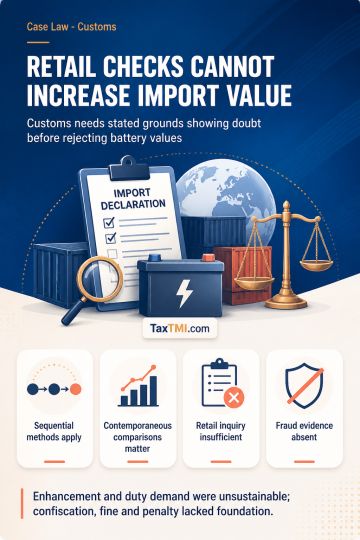
Customs Broker due diligence requires prescribed KYC, not detecting misdeclarations discoverable only through physical examination, defeating licence ...
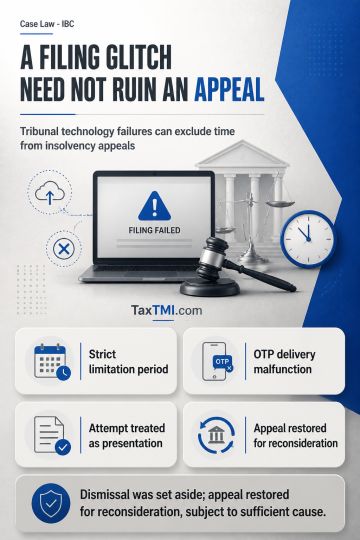
E-filing system failure permits exclusion of affected time in insolvency appeals, preventing tribunal technology defects from defeating timely filings...
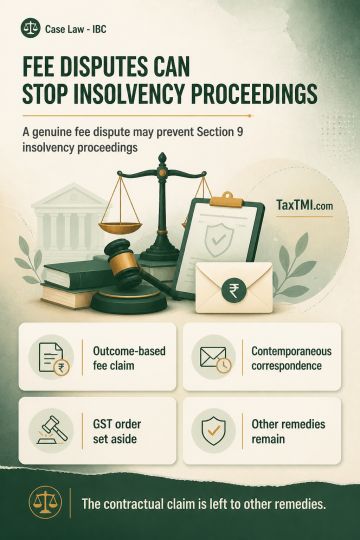
Pre-existing disputes over outcome-based professional fees can bar Section 9 insolvency proceedings where contractual entitlement requires investigati...
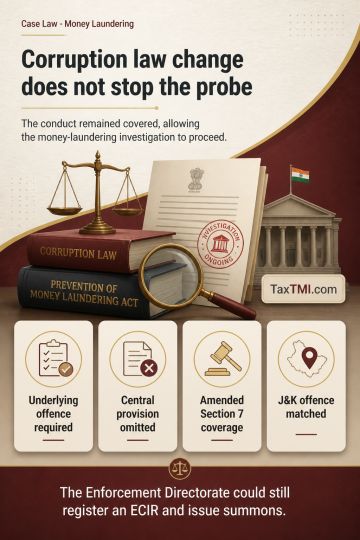
Corresponding scheduled offences preserve money-laundering jurisdiction despite repeal of the central corruption provision where conduct remains cover...
The Delhi High Court examined the constitutional validity of an amendment in the Income Tax Act, 1961, specifically u/s 31 of the Finance Act, 2017. The petitioner challenged the retrospective operation of the amendment which capped set-off of losses from house property income at ₹2 lakh. The court held that the legislative competency was not in question, and the amendment did not violate Article 14 of the Constitution as it applied uniformly to all taxpayers. The court also found that the restriction on set-off was a reasonable measure to prevent abuse of provisions. The petitioner's argument u/A 19(1)(g) was rejected as the restriction was proportionate and did not unreasonably curtail rights. The court cited precedent to support the legislature's wide discretion in fiscal matters. The petitioner's claim of promissory estoppel was dismissed. Ultimately, the court upheld the constitutionality of the amendment, ruling against the petitioner's arguments.
The Delhi High Court examined the constitutional validity of an amendment in the Income Tax Act, 1961, specifically u/s 31 of the Finance Act, 2017. The petitioner challenged the retrospective operation of the amendment which capped set-off of losses from house property income at ₹2 lakh. The court held that the legislative competency was not in question, and the amendment did not violate Article 14 of the Constitution as it applied uniformly to all taxpayers. The court also found that the restriction on set-off was a reasonable measure to prevent abuse of provisions. The petitioner's argument u/A 19(1)(g) was rejected as the restriction was proportionate and did not unreasonably curtail rights. The court cited precedent to support the legislature's wide discretion in fiscal matters. The petitioner's claim of promissory estoppel was dismissed. Ultimately, the court upheld the constitutionality of the amendment, ruling against the petitioner's arguments.
Note: It is a system-generated summary and is for quick reference only.
 TaxTMI
  TaxTMI
 of 4894