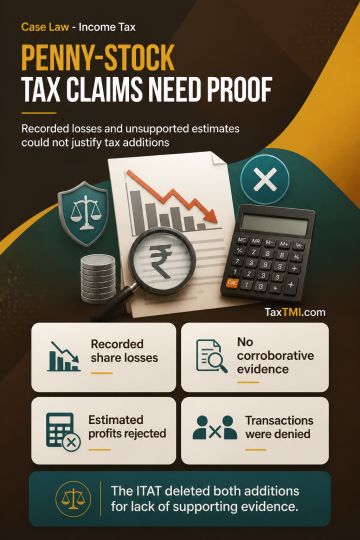
Questions arising from miscellaneous application orders cannot challenge unaltered Tribunal findings, leaving the original order separately challengea...
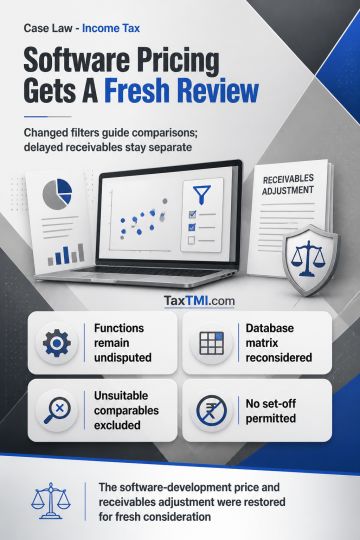
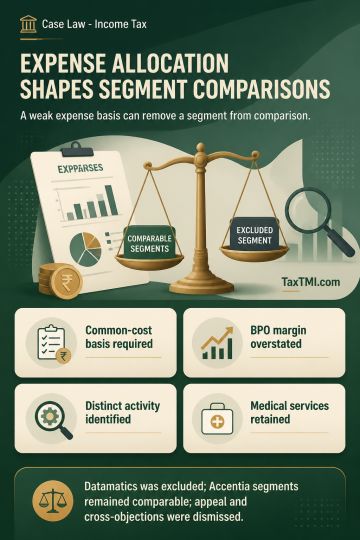
Transfer-pricing comparability filters require fresh arm's-length analysis, while delayed receivables need separate reconsideration with working-capit...
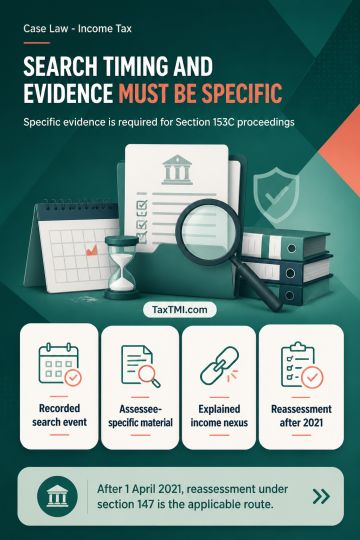
Section 153C jurisdiction requires timely deemed search and assessee-specific satisfaction material; otherwise reassessment must use the proper statut...
The Delhi High Court examined the constitutional validity of an amendment in the Income Tax Act, 1961, specifically u/s 31 of the Finance Act, 2017. The petitioner challenged the retrospective operation of the amendment which capped set-off of losses from house property income at ₹2 lakh. The court held that the legislative competency was not in question, and the amendment did not violate Article 14 of the Constitution as it applied uniformly to all taxpayers. The court also found that the restriction on set-off was a reasonable measure to prevent abuse of provisions. The petitioner's argument u/A 19(1)(g) was rejected as the restriction was proportionate and did not unreasonably curtail rights. The court cited precedent to support the legislature's wide discretion in fiscal matters. The petitioner's claim of promissory estoppel was dismissed. Ultimately, the court upheld the constitutionality of the amendment, ruling against the petitioner's arguments.
The Delhi High Court examined the constitutional validity of an amendment in the Income Tax Act, 1961, specifically u/s 31 of the Finance Act, 2017. The petitioner challenged the retrospective operation of the amendment which capped set-off of losses from house property income at ₹2 lakh. The court held that the legislative competency was not in question, and the amendment did not violate Article 14 of the Constitution as it applied uniformly to all taxpayers. The court also found that the restriction on set-off was a reasonable measure to prevent abuse of provisions. The petitioner's argument u/A 19(1)(g) was rejected as the restriction was proportionate and did not unreasonably curtail rights. The court cited precedent to support the legislature's wide discretion in fiscal matters. The petitioner's claim of promissory estoppel was dismissed. Ultimately, the court upheld the constitutionality of the amendment, ruling against the petitioner's arguments.
Note: It is a system-generated summary and is for quick reference only.
 TaxTMI
  TaxTMI
 of 4888