Mandatory textile export qualifiers distinguish flame-retardant fabrics from other listed fabrics for automated identification under the textiles ince...
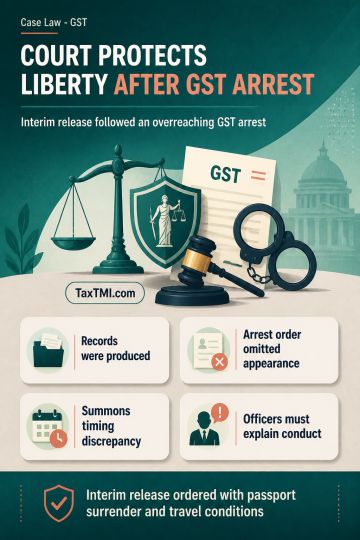
Personal liberty safeguards restrict arrest after court-directed GST appearance, requiring interim release where authorities overreach pending proceed...
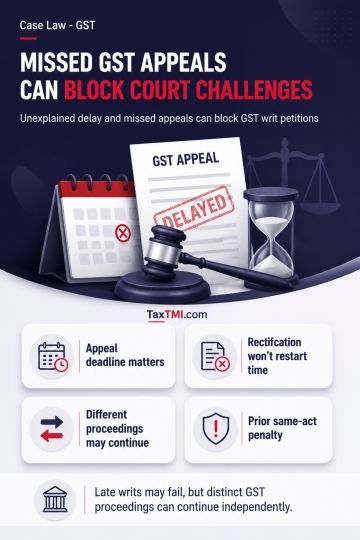
Alternative statutory remedy and delay bar GST writ challenges despite pending rectification, while distinct subject matter permits parallel proceedin...
The Delhi High Court examined the constitutional validity of an amendment in the Income Tax Act, 1961, specifically u/s 31 of the Finance Act, 2017. The petitioner challenged the retrospective operation of the amendment which capped set-off of losses from house property income at ₹2 lakh. The court held that the legislative competency was not in question, and the amendment did not violate Article 14 of the Constitution as it applied uniformly to all taxpayers. The court also found that the restriction on set-off was a reasonable measure to prevent abuse of provisions. The petitioner's argument u/A 19(1)(g) was rejected as the restriction was proportionate and did not unreasonably curtail rights. The court cited precedent to support the legislature's wide discretion in fiscal matters. The petitioner's claim of promissory estoppel was dismissed. Ultimately, the court upheld the constitutionality of the amendment, ruling against the petitioner's arguments.
The Delhi High Court examined the constitutional validity of an amendment in the Income Tax Act, 1961, specifically u/s 31 of the Finance Act, 2017. The petitioner challenged the retrospective operation of the amendment which capped set-off of losses from house property income at ₹2 lakh. The court held that the legislative competency was not in question, and the amendment did not violate Article 14 of the Constitution as it applied uniformly to all taxpayers. The court also found that the restriction on set-off was a reasonable measure to prevent abuse of provisions. The petitioner's argument u/A 19(1)(g) was rejected as the restriction was proportionate and did not unreasonably curtail rights. The court cited precedent to support the legislature's wide discretion in fiscal matters. The petitioner's claim of promissory estoppel was dismissed. Ultimately, the court upheld the constitutionality of the amendment, ruling against the petitioner's arguments.
Note: It is a system-generated summary and is for quick reference only.
 TaxTMI
  TaxTMI
 of 4881