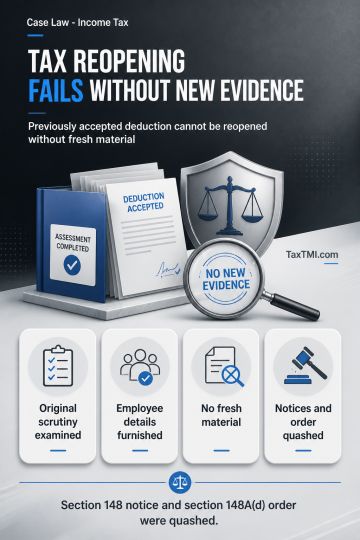
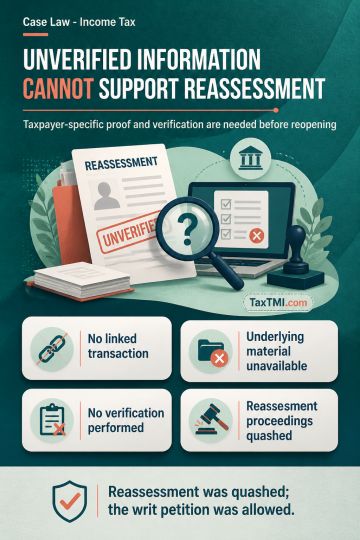
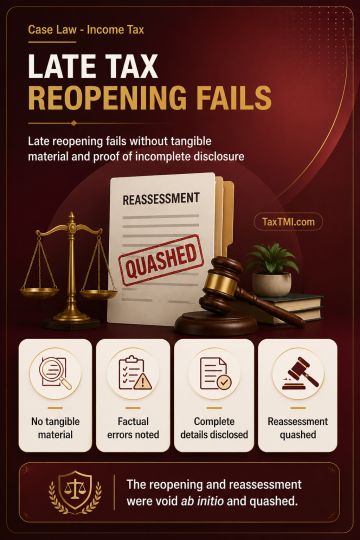
Unverified Insight Portal Information Cannot Justify Reassessment Without a Verified Taxpayer-Specific Income-Escape Nexus or Demonstrated Application...
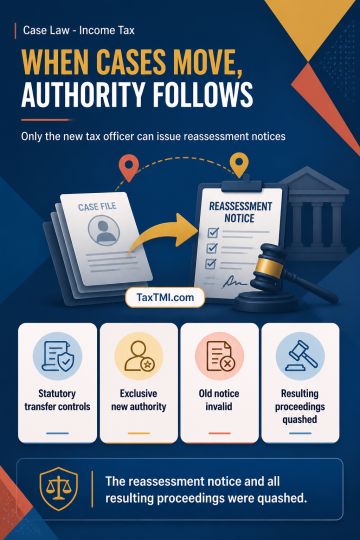
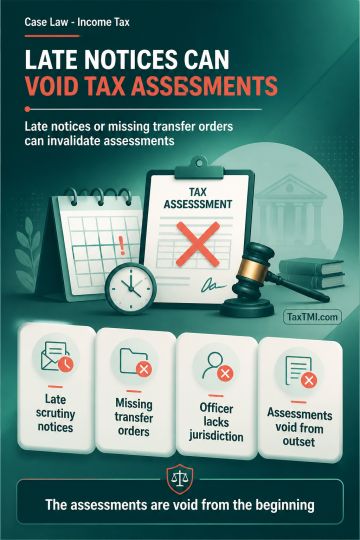
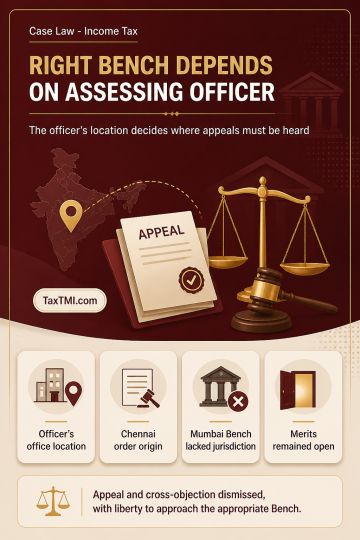
Assessing Officer jurisdiction after statutory transfer invalidates reassessment notices issued by transferor officers and nullifies resulting proceed...
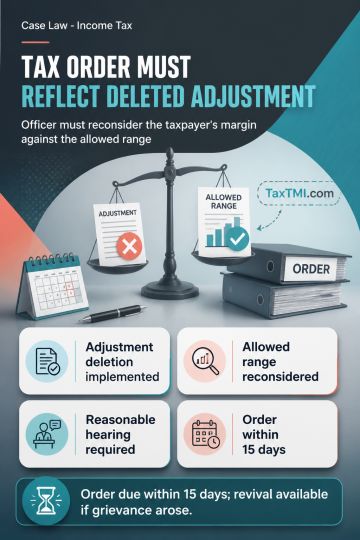
Consequential appeal-effect orders must implement rectification deleting working-capital adjustments and reconsider the resulting arm's-length range c...
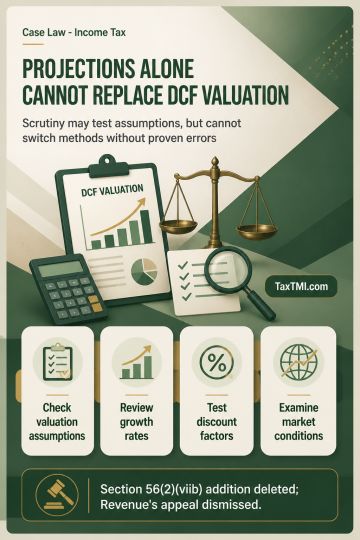
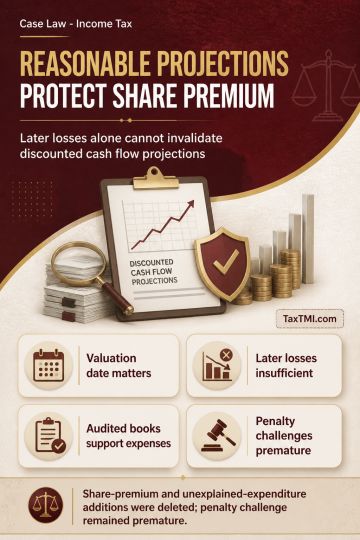
Discounted cash flow valuation protects share premium where projections are reasonable, while audited book expenses defeat unexplained-expenditure add...
Section 54 construction relief survives pre-transfer commencement when completion occurs within the statutory period, excluding ineligible spouse-owne...
The case before CESTAT Mumbai involved the jurisdiction of the Commissioner of Customs to take action against a Customs Cargo Service Provider (CCSP) for alleged violations of the Handling of Cargo in Customs Areas Regulations, 2009 and the Manufacture Storage and Import of Hazardous Chemicals Rules, 1989. The tribunal held that the Commissioner lacked jurisdiction to initiate action based on unclear show cause notice and orders. The tribunal emphasized that the Customs Act, 1962 did not empower customs officers to issue instructions beyond certain thresholds. It was concluded that the tax administration did not have the expertise to enforce environmental regulations, which should be left to designated authorities. As a result, the appeals were allowed.
The case before CESTAT Mumbai involved the jurisdiction of the Commissioner of Customs to take action against a Customs Cargo Service Provider (CCSP) for alleged violations of the Handling of Cargo in Customs Areas Regulations, 2009 and the Manufacture Storage and Import of Hazardous Chemicals Rules, 1989. The tribunal held that the Commissioner lacked jurisdiction to initiate action based on unclear show cause notice and orders. The tribunal emphasized that the Customs Act, 1962 did not empower customs officers to issue instructions beyond certain thresholds. It was concluded that the tax administration did not have the expertise to enforce environmental regulations, which should be left to designated authorities. As a result, the appeals were allowed.
Note: It is a system-generated summary and is for quick reference only.
 TaxTMI
  TaxTMI
 of 4881