Mandatory textile export qualifiers distinguish flame-retardant fabrics from other listed fabrics for automated identification under the textiles ince...
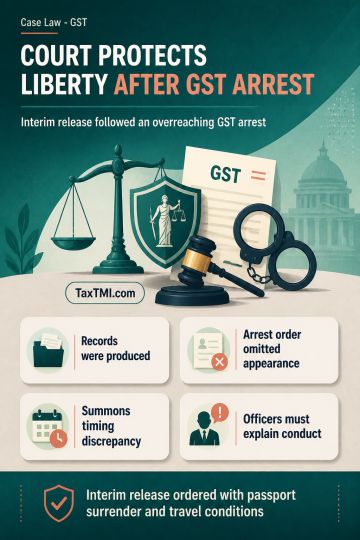
Personal liberty safeguards restrict arrest after court-directed GST appearance, requiring interim release where authorities overreach pending proceed...
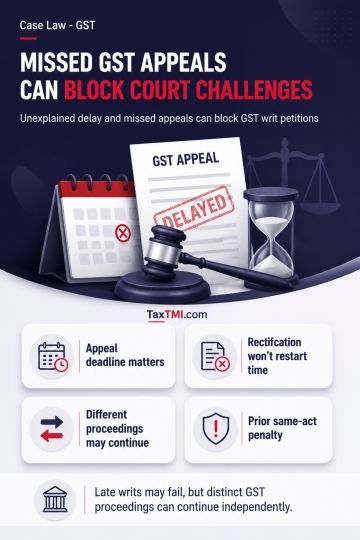
Alternative statutory remedy and delay bar GST writ challenges despite pending rectification, while distinct subject matter permits parallel proceedin...
The case before CESTAT Mumbai involved the jurisdiction of the Commissioner of Customs to take action against a Customs Cargo Service Provider (CCSP) for alleged violations of the Handling of Cargo in Customs Areas Regulations, 2009 and the Manufacture Storage and Import of Hazardous Chemicals Rules, 1989. The tribunal held that the Commissioner lacked jurisdiction to initiate action based on unclear show cause notice and orders. The tribunal emphasized that the Customs Act, 1962 did not empower customs officers to issue instructions beyond certain thresholds. It was concluded that the tax administration did not have the expertise to enforce environmental regulations, which should be left to designated authorities. As a result, the appeals were allowed.
The case before CESTAT Mumbai involved the jurisdiction of the Commissioner of Customs to take action against a Customs Cargo Service Provider (CCSP) for alleged violations of the Handling of Cargo in Customs Areas Regulations, 2009 and the Manufacture Storage and Import of Hazardous Chemicals Rules, 1989. The tribunal held that the Commissioner lacked jurisdiction to initiate action based on unclear show cause notice and orders. The tribunal emphasized that the Customs Act, 1962 did not empower customs officers to issue instructions beyond certain thresholds. It was concluded that the tax administration did not have the expertise to enforce environmental regulations, which should be left to designated authorities. As a result, the appeals were allowed.
Note: It is a system-generated summary and is for quick reference only.
 TaxTMI
  TaxTMI
 of 4881