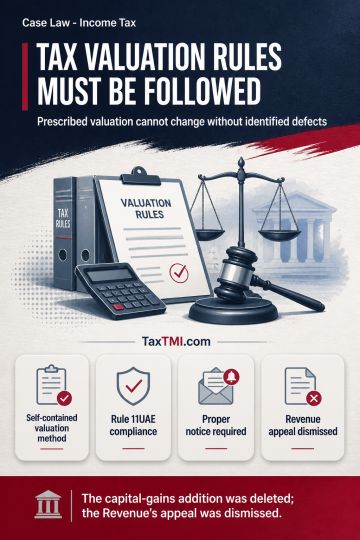
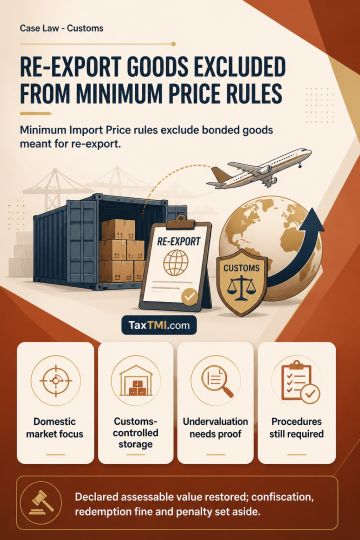
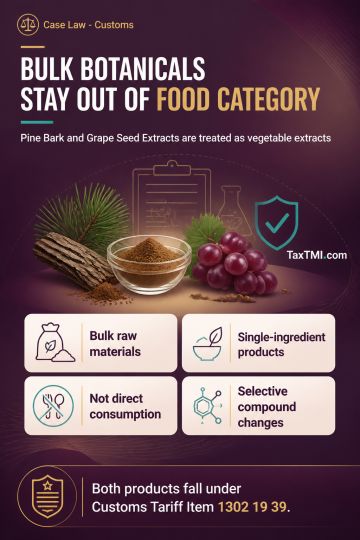
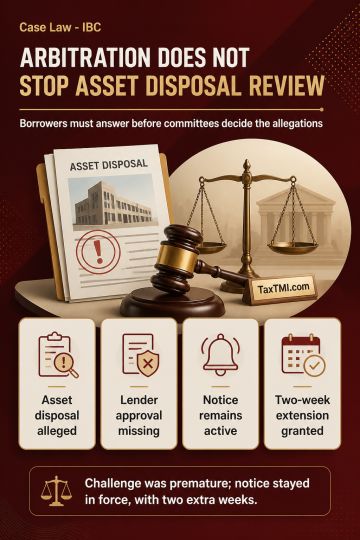
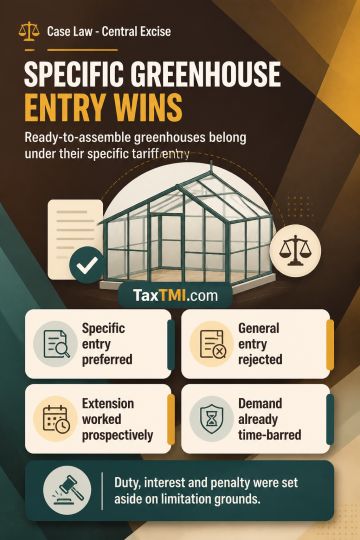
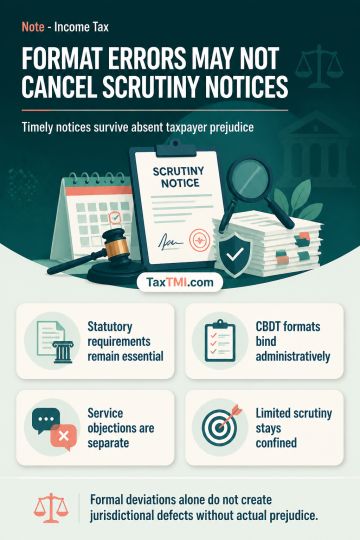
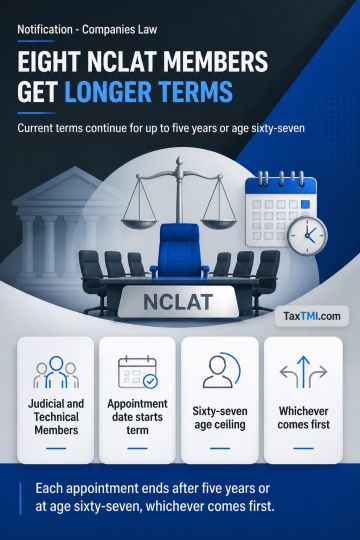
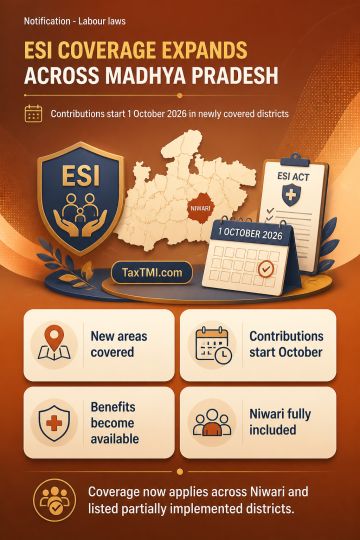
Commercial property status protects capital-gains exemption when residential-house ownership limits are tested, while agricultural-land character gove...
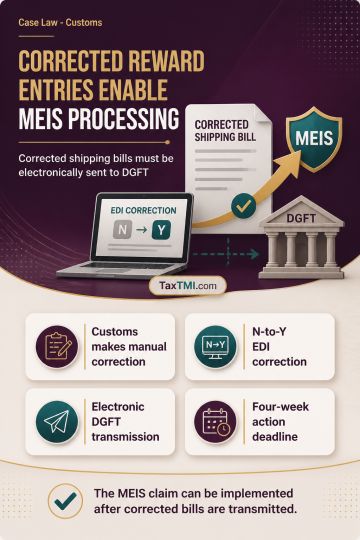
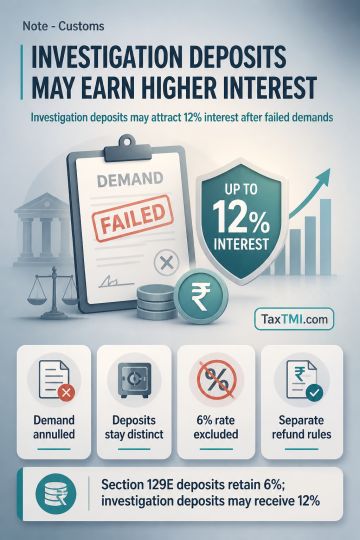
Investigation deposits refunded after failed customs demands fall outside the statutory appellate pre-deposit interest regime and may attract compensa...
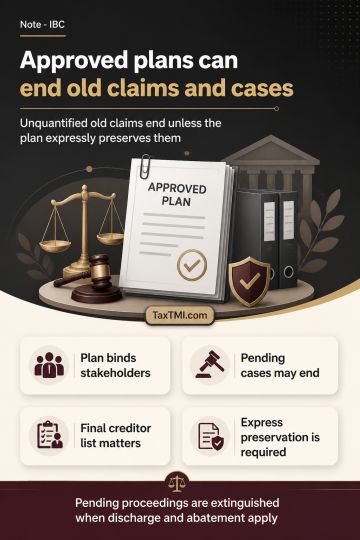
Resolution plan finality extinguishes unquantified operational-creditor claims and pending proceedings unless the approved plan expressly preserves th...
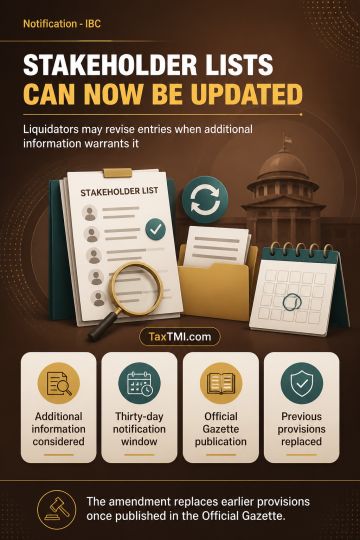
Stakeholder-list modification permits liquidators to update entries on new information, subject to notifying the Adjudicating Authority within prescri...
The Authority for Advance Ruling determined that the applicant qualifies as an Electronic Commerce Operator (ECO) as per the definitions provided. The applicant owns and manages the digital platform "Vyavshay" for service supply, connecting service providers with users. Section 9(5) of the CGST Act, 2017 applies to services offered through the platform, shifting tax liability to the ECO. The ECO is deemed the supplier of services received by consumers through the platform. The ECO is required to pay tax on transactions facilitated through the platform, regardless of payment flow. The ECO is liable for GST on app usage charges and transaction values for notified services. The ECO is responsible for tax on transactions with partners, excluding those not covered by Section 9(5) of the CGST Act, 2017.
The Authority for Advance Ruling determined that the applicant qualifies as an Electronic Commerce Operator (ECO) as per the definitions provided. The applicant owns and manages the digital platform "Vyavshay" for service supply, connecting service providers with users. Section 9(5) of the CGST Act, 2017 applies to services offered through the platform, shifting tax liability to the ECO. The ECO is deemed the supplier of services received by consumers through the platform. The ECO is required to pay tax on transactions facilitated through the platform, regardless of payment flow. The ECO is liable for GST on app usage charges and transaction values for notified services. The ECO is responsible for tax on transactions with partners, excluding those not covered by Section 9(5) of the CGST Act, 2017.
Note: It is a system-generated summary and is for quick reference only.
 TaxTMI
  TaxTMI
 of 4886