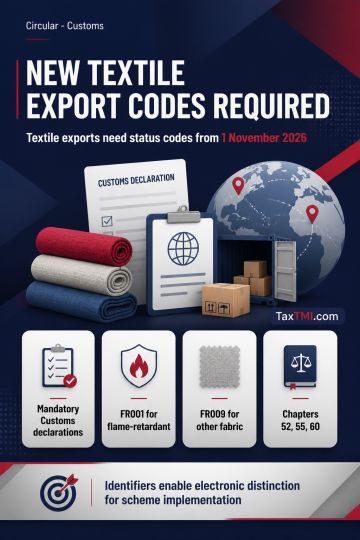
Mandatory textile export qualifiers distinguish flame-retardant fabrics from other listed fabrics for automated identification under the textiles ince...
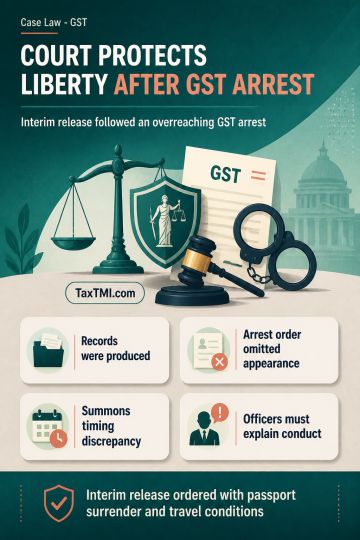
Personal liberty safeguards restrict arrest after court-directed GST appearance, requiring interim release where authorities overreach pending proceed...
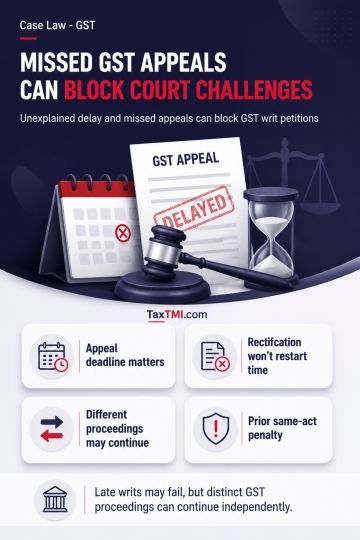
Alternative statutory remedy and delay bar GST writ challenges despite pending rectification, while distinct subject matter permits parallel proceedin...
The Authority for Advance Ruling determined that the applicant qualifies as an Electronic Commerce Operator (ECO) as per the definitions provided. The applicant owns and manages the digital platform "Vyavshay" for service supply, connecting service providers with users. Section 9(5) of the CGST Act, 2017 applies to services offered through the platform, shifting tax liability to the ECO. The ECO is deemed the supplier of services received by consumers through the platform. The ECO is required to pay tax on transactions facilitated through the platform, regardless of payment flow. The ECO is liable for GST on app usage charges and transaction values for notified services. The ECO is responsible for tax on transactions with partners, excluding those not covered by Section 9(5) of the CGST Act, 2017.
The Authority for Advance Ruling determined that the applicant qualifies as an Electronic Commerce Operator (ECO) as per the definitions provided. The applicant owns and manages the digital platform "Vyavshay" for service supply, connecting service providers with users. Section 9(5) of the CGST Act, 2017 applies to services offered through the platform, shifting tax liability to the ECO. The ECO is deemed the supplier of services received by consumers through the platform. The ECO is required to pay tax on transactions facilitated through the platform, regardless of payment flow. The ECO is liable for GST on app usage charges and transaction values for notified services. The ECO is responsible for tax on transactions with partners, excluding those not covered by Section 9(5) of the CGST Act, 2017.
Note: It is a system-generated summary and is for quick reference only.
 TaxTMI
  TaxTMI
 of 4881