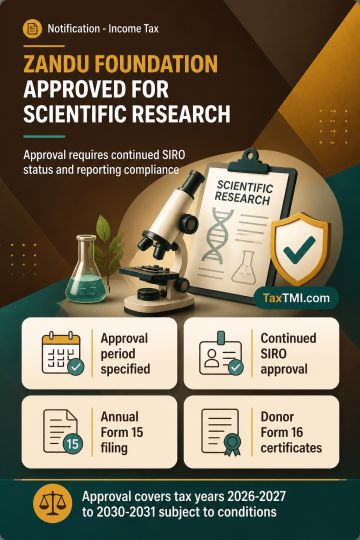
Scientific research association approval requires continuing SIRO status, annual donation reporting, and donor certificates for the approved foundatio...
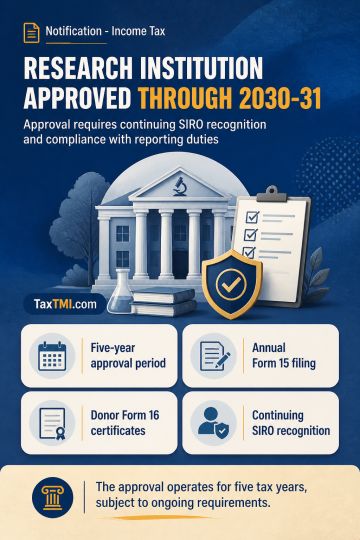
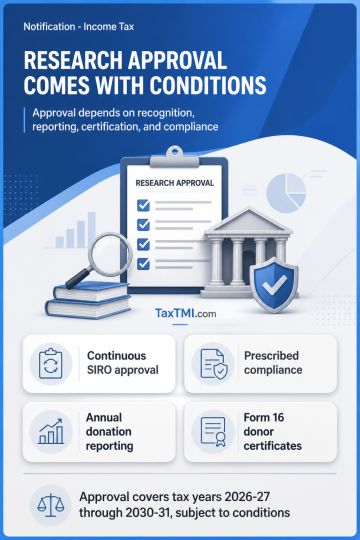
Scientific research institution approval is conditional on SIRO recognition, annual donation reporting, donor certification, and prescribed compliance...
The Kerala High Court dealt with a case involving dishonor of cheques u/s 138 of the Negotiable Instruments Act. The court considered joint trial of cases, material alteration of cheques, statutory presumptions, and burden of proof. The accused successfully rebutted statutory presumptions under Sections 118 and 139 by preponderance of probabilities. The court noted material alteration of a cheque by the complainant, leading to the accused's acquittal in a previous case. Evidence showed partial payment by the accused, discharging part of the liability. As the cheque did not represent a legally enforceable debt at encashment, the accused rebutted presumptions. The appeal was dismissed, and any pending interlocutory applications were closed.
The Kerala High Court dealt with a case involving dishonor of cheques u/s 138 of the Negotiable Instruments Act. The court considered joint trial of cases, material alteration of cheques, statutory presumptions, and burden of proof. The accused successfully rebutted statutory presumptions under Sections 118 and 139 by preponderance of probabilities. The court noted material alteration of a cheque by the complainant, leading to the accused's acquittal in a previous case. Evidence showed partial payment by the accused, discharging part of the liability. As the cheque did not represent a legally enforceable debt at encashment, the accused rebutted presumptions. The appeal was dismissed, and any pending interlocutory applications were closed.
Note: It is a system-generated summary and is for quick reference only.
 TaxTMI
  TaxTMI
 of 4881