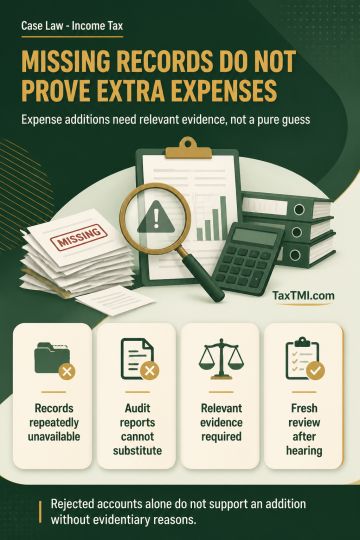
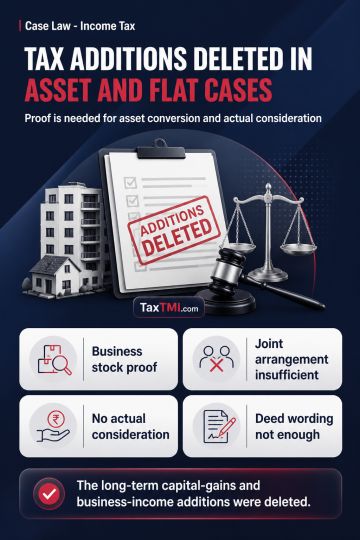
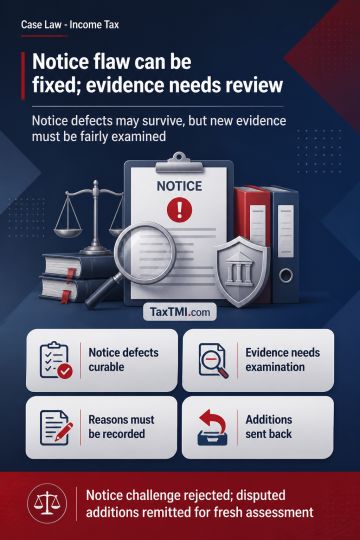
Capital Asset Conversion Requires Proven Business Stock Treatment; Paper Consideration in Spousal Flat Transfers Does Not Create Taxable Business Inco...
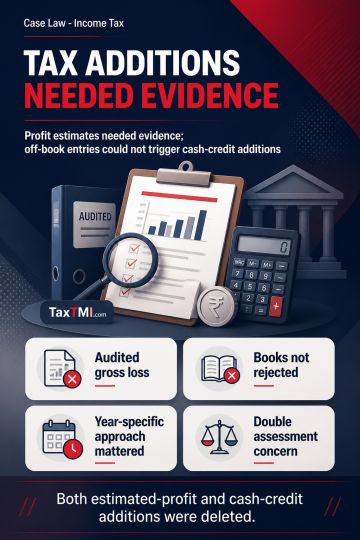
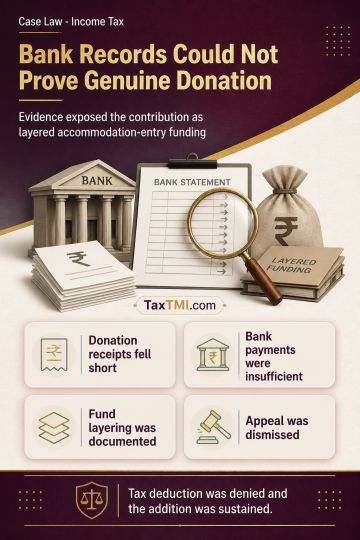
Human-probability test defeats political donation deduction where banking records mask accommodation-entry fund layering and evidence shows non-genuin...
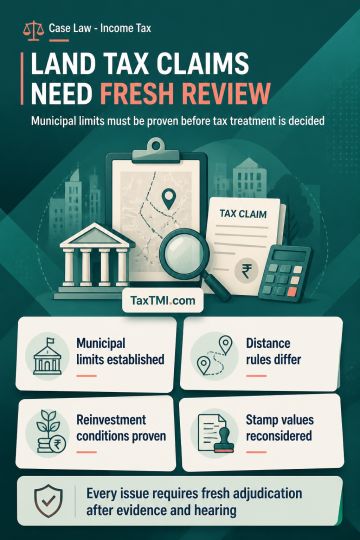
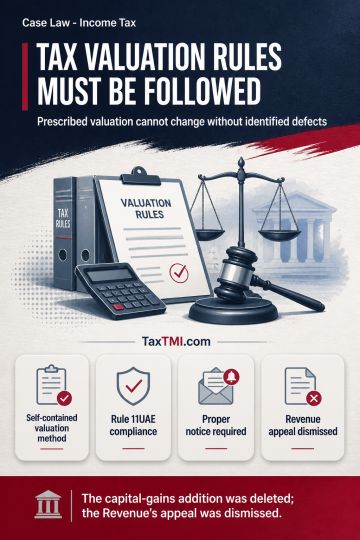
Commercial property status protects capital-gains exemption when residential-house ownership limits are tested, while agricultural-land character gove...
The Kerala High Court dealt with a case involving dishonor of cheques u/s 138 of the Negotiable Instruments Act. The court considered joint trial of cases, material alteration of cheques, statutory presumptions, and burden of proof. The accused successfully rebutted statutory presumptions under Sections 118 and 139 by preponderance of probabilities. The court noted material alteration of a cheque by the complainant, leading to the accused's acquittal in a previous case. Evidence showed partial payment by the accused, discharging part of the liability. As the cheque did not represent a legally enforceable debt at encashment, the accused rebutted presumptions. The appeal was dismissed, and any pending interlocutory applications were closed.
The Kerala High Court dealt with a case involving dishonor of cheques u/s 138 of the Negotiable Instruments Act. The court considered joint trial of cases, material alteration of cheques, statutory presumptions, and burden of proof. The accused successfully rebutted statutory presumptions under Sections 118 and 139 by preponderance of probabilities. The court noted material alteration of a cheque by the complainant, leading to the accused's acquittal in a previous case. Evidence showed partial payment by the accused, discharging part of the liability. As the cheque did not represent a legally enforceable debt at encashment, the accused rebutted presumptions. The appeal was dismissed, and any pending interlocutory applications were closed.
Note: It is a system-generated summary and is for quick reference only.
 TaxTMI
  TaxTMI
 of 4896