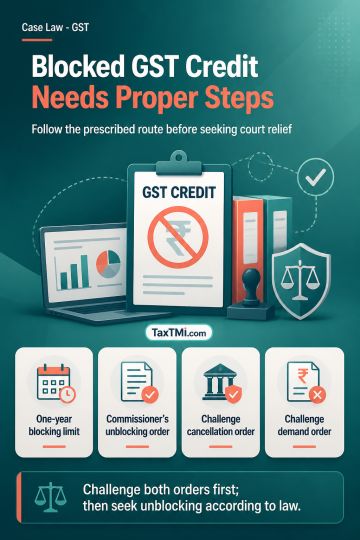
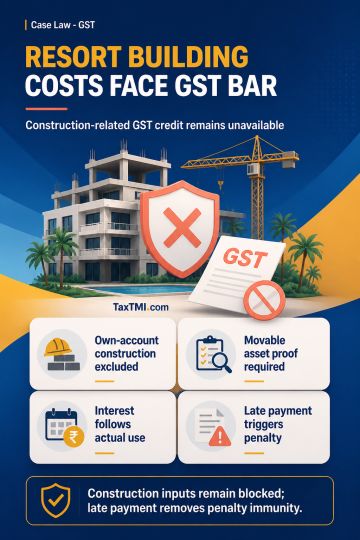
Blocked input tax credit for resort construction remains unavailable; interest follows actual utilisation, while delayed payment attracts statutory pe...
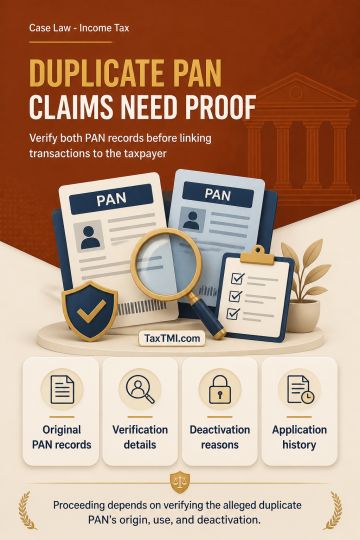
Duplicate PAN allocation requires record verification and deactivation reasons before assessment-related transactions can be attributed to an assessee...
Faceless assessment safeguards require requested personal hearings and adequate final show-cause response time, failing which reassessment is required...
The National Company Law Appellate Tribunal, New Delhi, addressed the modification of a Demerger Scheme's terms by changing the Appointed Date to the date of the Impugned Order's pronouncement. The Tribunal held that if statutory provisions are complied with and there is no violation of law or public policy, the NCLT lacks jurisdiction to question the commercial wisdom of those approving the scheme. Altering the Appointed Date could have significant financial implications, and the Tribunal's role is supervisory if all sanctioning parameters are met. The reliance on a previous case was deemed incorrect as the Appointed Date should align with the scheme's provisions. The appeal was allowed, confirming the Appointed Date as per the scheme and not the date of the NCLT's pronouncement.
The National Company Law Appellate Tribunal, New Delhi, addressed the modification of a Demerger Scheme's terms by changing the Appointed Date to the date of the Impugned Order's pronouncement. The Tribunal held that if statutory provisions are complied with and there is no violation of law or public policy, the NCLT lacks jurisdiction to question the commercial wisdom of those approving the scheme. Altering the Appointed Date could have significant financial implications, and the Tribunal's role is supervisory if all sanctioning parameters are met. The reliance on a previous case was deemed incorrect as the Appointed Date should align with the scheme's provisions. The appeal was allowed, confirming the Appointed Date as per the scheme and not the date of the NCLT's pronouncement.
Note: It is a system-generated summary and is for quick reference only.
 TaxTMI
  TaxTMI
 of 4888