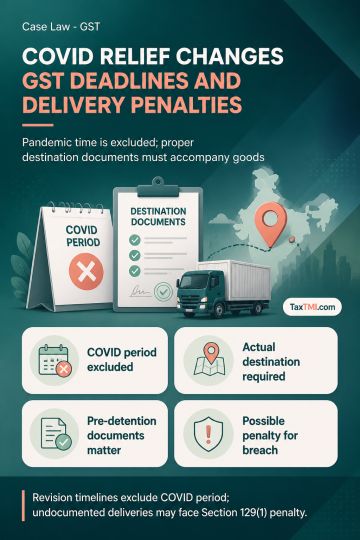
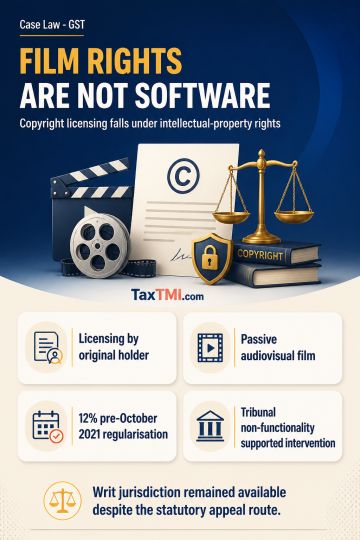
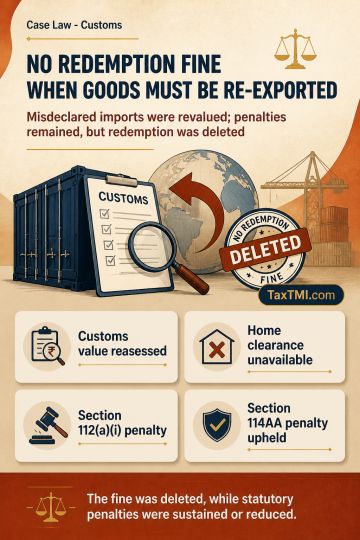
COVID-19 limitation exclusion and destination-specific e-way bills govern revisional timelines and penalties for undocumented third-party plywood deli...
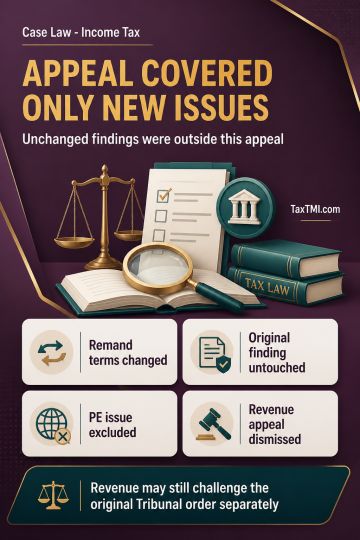
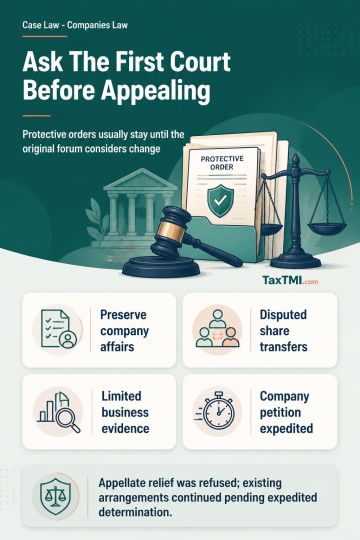
Questions arising from miscellaneous application orders cannot challenge unaltered Tribunal findings, leaving the original order separately challengea...
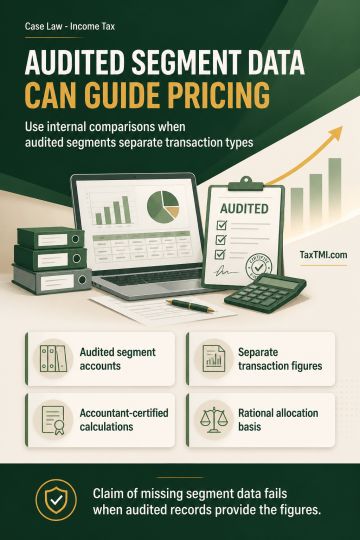
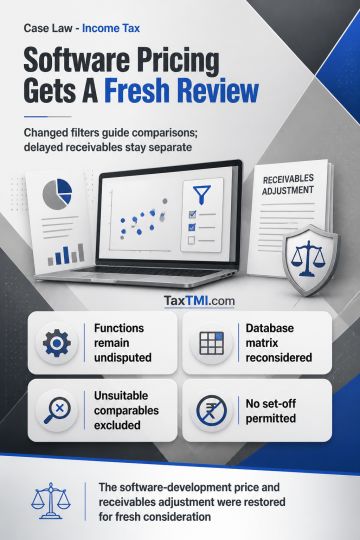
Transfer-pricing comparability filters require fresh arm's-length analysis, while delayed receivables need separate reconsideration with working-capit...
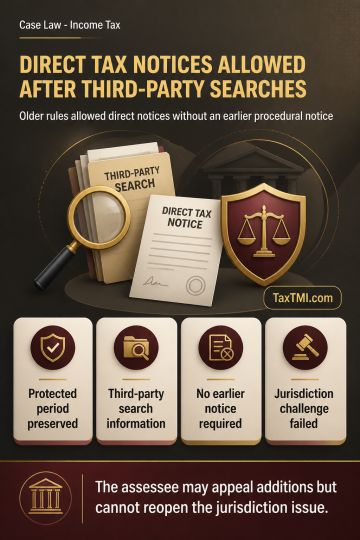
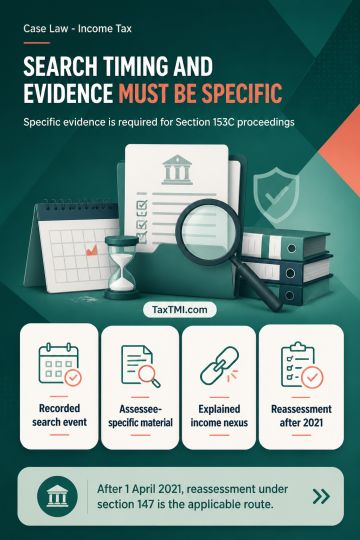
Section 153C jurisdiction requires timely deemed search and assessee-specific satisfaction material; otherwise reassessment must use the proper statut...
The Delhi High Court examined taxability in India of interest received by an Indian Permanent Establishment (PE) from its Head Office/Overseas Branch under the India-US Double Taxation Avoidance Agreement (DTAA). The court referred to the Credit Agricole case, emphasizing that branch offices are not separate legal entities. The court noted that the Explanation to Section 9(1)(v) of the Income Tax Act deals with banking entities, deeming remittances to the Head Office as accruing in India. The court found that the PE of a banking enterprise is not a separate legal entity, rejecting the application of the Explanation introduced in 2016. Referring to the Kikabhai Premchand KT case, the court highlighted the absurdity of a person profiting from itself. The court upheld the view that the branch office cannot profit from itself, and the DTAA provisions for banking enterprises would apply.
The Delhi High Court examined taxability in India of interest received by an Indian Permanent Establishment (PE) from its Head Office/Overseas Branch under the India-US Double Taxation Avoidance Agreement (DTAA). The court referred to the Credit Agricole case, emphasizing that branch offices are not separate legal entities. The court noted that the Explanation to Section 9(1)(v) of the Income Tax Act deals with banking entities, deeming remittances to the Head Office as accruing in India. The court found that the PE of a banking enterprise is not a separate legal entity, rejecting the application of the Explanation introduced in 2016. Referring to the Kikabhai Premchand KT case, the court highlighted the absurdity of a person profiting from itself. The court upheld the view that the branch office cannot profit from itself, and the DTAA provisions for banking enterprises would apply.
Note: It is a system-generated summary and is for quick reference only.
 TaxTMI
  TaxTMI
 of 4899