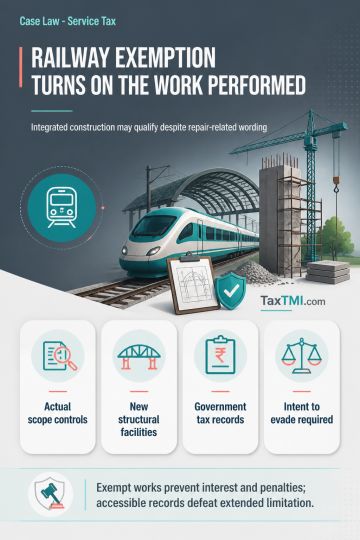
Original works exemption for railway contracts depends on actual integrated construction scope, while accessible tax data defeats suppression allegati...
Survey surrender characterisation determines whether mixed excess stock and business-linked cash face normal taxation or special deemed-income taxatio...
The Karnataka High Court addressed the issue of a Sub-Registrar refusing registration of a sale certificate due to pending Income Tax dues against the borrowers. The court held that the SARFAESI Act takes precedence over other statutory dues, including those of the Income Tax Department. Citing a Supreme Court case, it was established that the dues of secured creditors have priority over other dues. The Sub-Registrar's refusal based on Income Tax dues was deemed invalid as it exceeded the authority granted by the Registration Act and Rules. The court emphasized that Sub-Registrars must adhere strictly to the law and cannot refuse registration without valid reasons. It was recommended that the State issue necessary guidelines to prevent arbitrary refusals. The writ petition was allowed in favor of the petitioner.
The Karnataka High Court addressed the issue of a Sub-Registrar refusing registration of a sale certificate due to pending Income Tax dues against the borrowers. The court held that the SARFAESI Act takes precedence over other statutory dues, including those of the Income Tax Department. Citing a Supreme Court case, it was established that the dues of secured creditors have priority over other dues. The Sub-Registrar's refusal based on Income Tax dues was deemed invalid as it exceeded the authority granted by the Registration Act and Rules. The court emphasized that Sub-Registrars must adhere strictly to the law and cannot refuse registration without valid reasons. It was recommended that the State issue necessary guidelines to prevent arbitrary refusals. The writ petition was allowed in favor of the petitioner.
Note: It is a system-generated summary and is for quick reference only.
 TaxTMI
  TaxTMI
 of 4902